











Hawaii Island Recovery
1
Top 10 Rehab Centers In Kailua Kona



















































































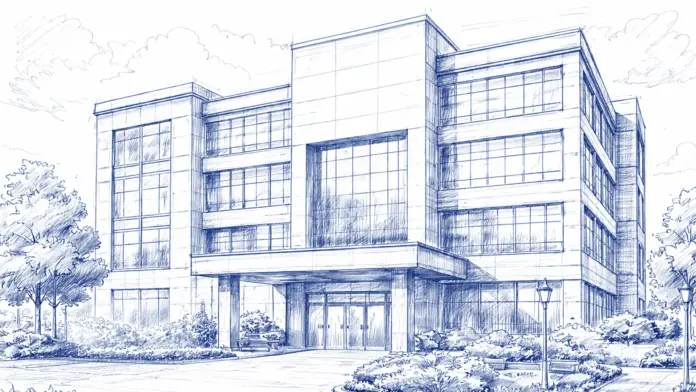
He Ala Hou O Ke Ola is a private nonprofit addiction treatment center in Honolulu, Hawaii. A special focus is placed on supporting native Hawaiian individuals and communities, including homeless individuals as well as those involved in the justice system.
Founded in 2012, the facility’s name, pronounced HA-HO-KO, translates to “A New Path of Life.” Its vision has always been to build a thriving wellness community, designed to restore lives wrecked by addiction, unite families, and help individuals find hope, healing, and freedom, as they embark on their recovery journey.
Since its opening, the facility has succeeded in providing various support services, including clean and sober housing options, a therapeutic living program and specialized programs for homeless and justice-involved individuals.
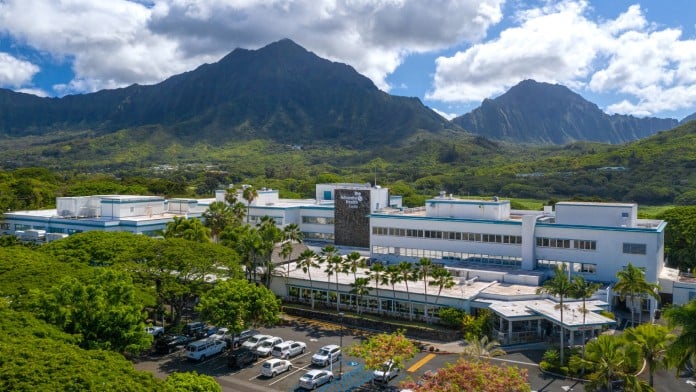
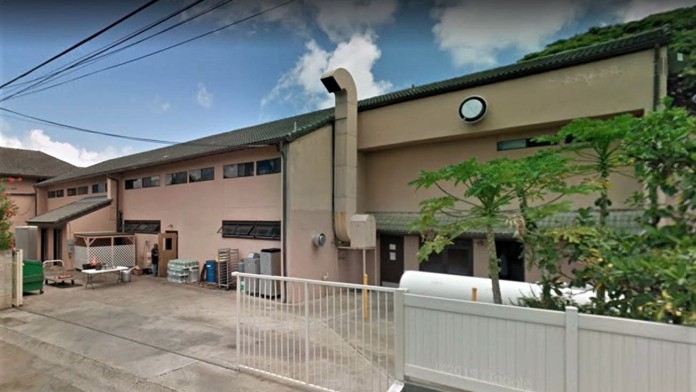
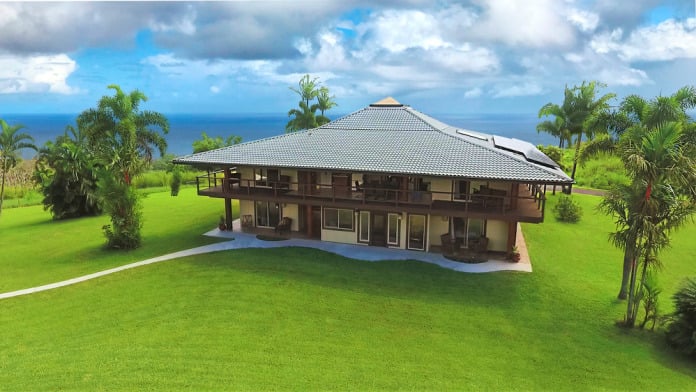
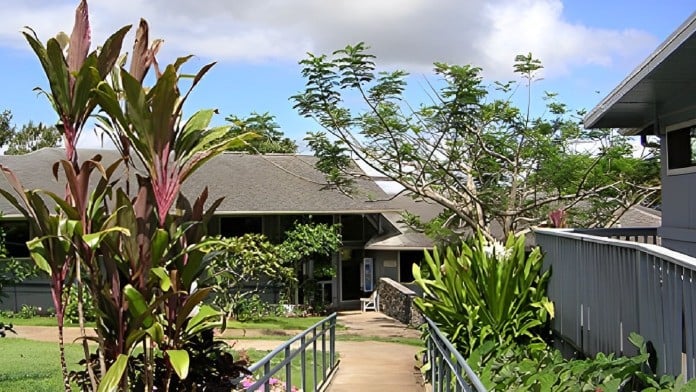
The facility features four housing buildings across Oahu, providing clean living conditions, and a healthy environment in which to recover and build a life of sobriety. Residents receive three meals a day, and have access to work opportunities, as well as community volunteering opportunities, as well as spiritual and faith-related events. Legal resources are also available to those who need them.
The Therapeutic Living Program (TLP), or the HAHOKO Impact Center, is an accredited and state-licensed initiative that provides an entry point to a four-phase, structured reintegration. Each section is designed to guide individuals through a journey of skill-building, personal growth and recovery. Its objectives are to equip, educate and prepare participants for success outside of the program.

 91+
91+  $400
$400 
 Our Methodology


Medicaid is a state based program that helps lower-income individuals and families pay for healthcare. Medicaid covers addiction treatment so those enrolled can use their coverage to pay for rehab. When a program accepts Medicaid the client often pays very little or nothing out of their own pocket.
Self-pay involves paying for treatment out of your own pocket. You can use savings or credit, get a personal loan, or receive help from family and friends to fund your treatment. If you don't have insurance or your insurance plan doesn't cover a specific program, self-pay can help ensure you still get the care you need.
A sober living home in Hawaii helps residents achieve several goals that will help them move forward in their recovery journey. During their stay at a men's or women's sober living home, residents find and maintain employment, locate more permanent housing, make amends with friends and family members hurt by their substance abuse, and adjust to maintaining a sober lifestyle in a less structured environment.
Alcohol use disorder (AUD), also called alcoholism, can be mild, moderate, or severe. Symptoms include being unable to limit alcohol consumption and feeling strong cravings to drink alcohol. Individuals with AUD may have tried to quit drinking but were unsuccessful. Typically, professional rehab in Hawaii is necessary to help individuals overcome alcohol addiction. This treatment provides the necessary evidence-based therapies, medication, and support for long-term recovery.
Drug rehab in Hawaii is for individuals suffering from substance use disorders. Treatment addresses the many issues involved with addiction, typically through a combination of medical and psychotherapy treatments.
In Hawaii, substance abuse treatment programs address addiction and co-occurring mental health conditions. Care levels include outpatient, inpatient, and partial hospitalization. Therapies like cognitive behavioral therapy, or dialectical behavioral therapy, equine therapy, mindfulness-based therapy, skills training, and recovery groups can help you to establish a solid recovery and develop a support system (or strengthen an existing one) to increase your chances of long-term recovery success.
 Mental Health And Substance Abuse
Men face specific challenges and concerns when seeking addiction treatment. Gender-specific recovery programs help them tackle these issues head-on in an environment that's focused, targeted, and distraction-free. It also gives them the opportunity to connect with and learn from other men who have been through a similar journey and can offer support for the next step.
Rehabs for women provide a safe, nurturing space for female clients to heal. These treatment programs consider the specific obstacles that women can face during recovery and place a special emphasis on mental, social, physical, and reproductive health. They explore how each woman's experience has shaped the trajectory of their substance use, addressing issues such as sexual abuse and past trauma.
During treatment, you'll work on strengthening any life skills you'll need after rehab. These may include interpersonal communication, finding a job, managing finances, and coping with stress. These skills cover the basic tasks you'll need to accomplish to successfully maintain sobriety.

State Licenses are permits issued by government agencies that allow rehab organizations to conduct business legally within a certain geographical area. Typically, the kind of program a rehab facility offers, along with its physical location, determines which licenses are required to operate legally.
State License: Hawaii
Rehab.com regularly reviews this listing for accuracy but changes may occur between updates. For the most up-to-date information, please contact He Ala Hou O Ke Ola Inc.

531 Puuhale Rd, Honolulu, HI 96819
Sponsored Helpline


Incredible healing place for men!!

Great program!!!! Helped change my life and still helping today!
 Back
Back
Sharing your insights and experiences can help others learn more about this rehab center.

 Written By: Lauren Thompson
