































































































I had never been to rehab, but i thoroughly enjoyed the staff and the program. I found keeping to myself and doing what is needed really helps. The staff really cares about your wellbeing. I felt comfortable and safe.
About JourneyPure Knoxville
Here are one of Tennessee’s top-rated outpatient facilities, they provide detox services, residential treatment, medication assisted treatment, and trauma care for people with a dual diagnosis or substance misuse.
Detox is the process of ridding the body of all addictive substances. Often, those who try to detox on their own undergo intense discomfort.
JourneyPure aims to support a more comfortable detox through medications and professional care.
Their residential treatment is for individuals who need a lot of supervision and support to stabilize their minds and body. This program involves all aspects of overcoming addiction from managed withdrawal to stabilization and sobriety maintenance to aftercare planning. You might engage in individual, group, and experiential therapies and recovery education. They also have pet therapy, social and recreational activities, and music therapy. Trauma care is also provided for those who are struggling with processing difficult past experiences.
With an integrated intervention lens, they treat addiction and psychiatric concerns at the same time. This is highly beneficial for those living with a dual diagnosis.
Latest Reviews
I went to the Murfreesboro location, but went to IOP and attend alumni meetings in Knoxville for over 2 years. Great place and great people. Thank you everyone for being there for me in a time I've needed you the most. You all are really awesome and do so much for so many like myself. <3
Journey pure changed my life. When I came in, I was hopeless, homeless, and desperate.
Fast-forward 19 months and four days.
I am now under contract to buy a house. I have a job that I love. Real friends who got the extra mile to help me, and I continue to work with other addicts and alcoholics to help them in their recovery
Thank you, Journey Pure!
Response from the owner1 week ago
Rodney, thank you for sharing your story. Seven months of sobriety is such an incredible milestone, and we’re so proud of the progress you’ve made! It means so much to know that your experience here gave you hope and connection, and we’re grateful to walk alongside you as you continue forward.
I went through Journeypure Norris in October 2018. I was pregnant and lost. I felt alone. Staff at Journeypure made me feel safe and supported. They helped me with my family too. They explained addiction in a way that my mother could understand and comprehend. They offered her resources for support. I learned a lot while I was there. Almost every staff member there was in recovery themselves so it gave me hope that I could one day work in treatment helping others. I made it. I get to help others with their recovery journey now! I celebrate 5 years of sobriety this year. I didn't stay clean after I left Journeypure. I had a few more hard lessons ahead of me, but a seed was planted and I gained a lot of insight while I was a patient there. If you're reading this and considering treatment, take action. Give yourself a chance at a brand new life. You won't regret it! Life is beautiful on the other side. Friendships are solid, perspectives are clear, and you can make a huge impact on others. I hope to see you soon! We need you!

Rehab Score
 Our Methodology
Scoring is assigned by a proprietary system which helps surface key metrics that determine quality. The 10-point scale factors in categories such as operations, customer satisfaction, and trust metrics. Read Full Methodology

8.3 / 10
Gallery
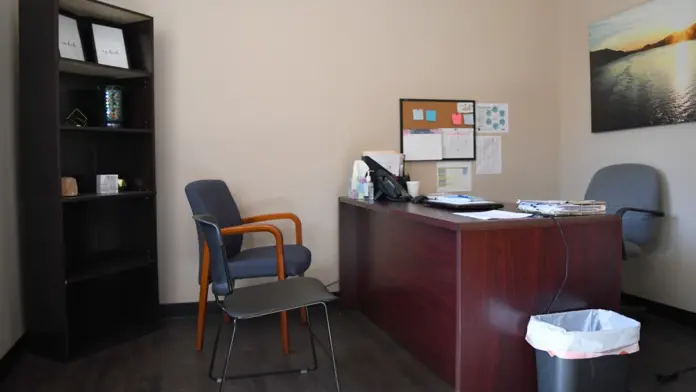
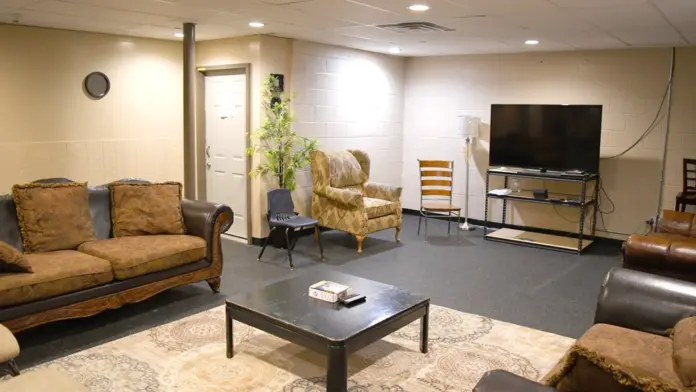
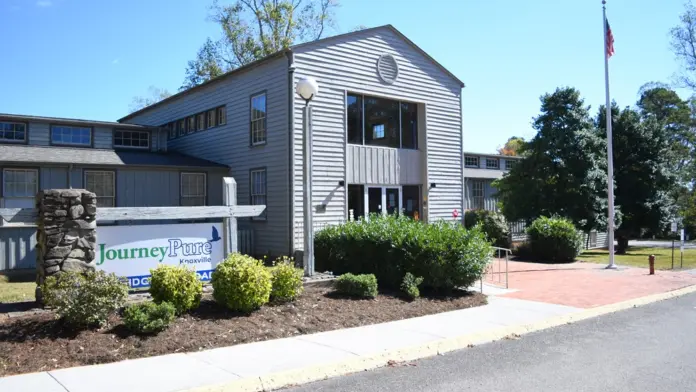
Accepted Insurance
Other Forms of Payment
Private insurance refers to any kind of healthcare coverage that isn't from the state or federal government. This includes individual and family plans offered by an employer or purchased from the Insurance Marketplace. Every plan will have different requirements and out of pocket costs so be sure to get the full details before you start treatment.
Self-pay involves paying for treatment out of your own pocket. You can use savings or credit, get a personal loan, or receive help from family and friends to fund your treatment. If you don't have insurance or your insurance plan doesn't cover a specific program, self-pay can help ensure you still get the care you need.
Financial aid can take many forms. Centers may have grants or scholarships available to clients who meet eligibility requirements. Programs that receive SAMHSA grants may have financial aid available for those who need treatment as well. Grants and scholarships can help you pai for treatment without having to repay.
Medicare is a federal program that provides health insurance for those 65 and older. It also serves people under 65 with chronic and disabling health challenges. To use Medicare for addiction treatment you need to find a program that accepts Medicare and is in network with your plan. Out of pocket costs and preauthorization requirements vary, so always check with your provider.
Medicaid is a state based program that helps lower-income individuals and families pay for healthcare. Medicaid covers addiction treatment so those enrolled can use their coverage to pay for rehab. When a program accepts Medicaid the client often pays very little or nothing out of their own pocket.
Military members, veterans, and eligible dependents have access to specific insurance programs that help them get the care they need. TRICARE and VA insurance can help you access low cost or no cost addiction and mental health treatment. Programs that accept military insurance often have targeted treatment focused on the unique challenges military members, veterans, and their families face.
Addiction Treatments
Levels of Care
Outpatient rehabs enable clients to receive care without leaving their home, workplace, and community. Clients typically receive intensive addiction counseling, including individual, group, and family therapy. Many programs promote clients' long-term sobriety through recovery-focused life skills training and ancillary services, such as peer coaching. Medication assisted treatment (MAT), including medication induction and maintenance, are common in outpatient care. Most facilities offer multiple levels of care to accommodate clients' evolving needs, including intensive outpatient (IOP) and standard outpatient programming.
Residential treatment programs are those that offer housing and meals in addition to substance abuse treatment. Rehab facilities that offer residential treatment allow patients to focus solely on recovery, in an environment totally separate from their lives. Some rehab centers specialize in short-term residential treatment (a few days to a week or two), while others solely provide treatment on a long-term basis (several weeks to months). Some offer both, and tailor treatment to the patient's individual requirements.
Clients in intensive outpatient programs (IOP) receive robust, personalized care to support their reintegration into their community. Clients stepping down from inpatient treatment frequently enroll in IOP before entering standard outpatient care or community-based recovery programs, such as AA. Intensive outpatient treatment generally involves between nine and 20 therapeutic hours weekly, with the frequency and duration of sessions decreasing as clients stabilize. IOP services commonly include counseling, recovery education, holistic therapies, and medication assisted treatment (MAT).
12-step programs are addiction recovery models based on Alcoholics Anonymous (AA). A number of substance abuse programs (including some drug and alcohol rehab centers) use the 12 steps as a basis for treatment. Beginning steps involve admitting powerlessness over the addiction and creating a spiritual basis for recovery. Middle steps including making direct amends to those who've been hurt by the addiction, and the final step is to assist others in addiction recovery in the same way. 12-Step offshoots including Narcotics Anonymous (NA), Cocaine Anonymous (CA), Dual Recovery Anonymous (DRA), Sex and Love Addicts Anonymous (SLAA) and Gamblers Anonymous (GA).
To keep you safe and comfortable during the detoxification process, a medically assisted detox provides you with a team of medical professionals who can provide the necessary medications to treat any potential withdrawal symptoms. Suddenly stopping chronic abuse of substances like alcohol, benzodiazepines, or opioids can have uncomfortable and even dangerous side effects.
Safe detox requires 24-hour clinical care in Tennessee. This is due to the health risks that are involved during withdrawal. As the brain reacts to the absence of the drug, severe symptoms can occur, depending on the type of drug used. For instance, alcohol and benzodiazepine withdrawal may result in seizures. Fortunately, supervised care in a clinical setting can provide the necessary treatment to avoid health risks and allow you to complete detox safely.
Treatments
Many of those suffering from addiction also suffer from mental or emotional illnesses like schizophrenia, bipolar disorder, depression, or anxiety disorders. Rehab and other substance abuse facilities treating those with a dual diagnosis or co-occurring disorder administer psychiatric treatment to address the person's mental health issue in addition to drug and alcohol rehabilitation.
Programs
Adult rehab programs include therapies tailored to each client's specific needs, goals, and recovery progress. They are tailored to the specific challenges adult clients may face, including family and work pressures and commitments. From inpatient and residential treatment to various levels of outpatient services, there are many options available. Some facilities also help adults work through co-occurring conditions, like anxiety, that can accompany addiction.
Young adulthood can be an exciting, yet difficult, time of transition. Individuals in their late teens to mid-20s face unique stressors related to school, jobs, families, and social circles, which can lead to a rise in substance use. Rehab centers with dedicated young adult programs will include activities and amenities that cater to this age group, with an emphasis on specialized counseling, peer socialization, and ongoing aftercare.
Serving in the military is both mentally and physically challenging, and can result in trauma that persists even after combat ends. Military programs are tailored to the specific and often complex needs of active duty personnel, veterans, and military families. Clients often access these programs through the U.S. Department of Veterans Affairs (VA).
Clinical Services
Experiential therapy is a form of therapy in which clients are encouraged to surface and work through subconscious issues by engaging in real-time experiences. Experiential therapy departs from traditional talk therapy by involving the body, and having clients engage in activities, movements, and physical and emotional expression. This can involve role-play or using props (which can include other people). Experiential therapy can help people process trauma, memories, and emotion quickly, deeply, and in a lasting fashion, leading to substantial and impactful healing.
Fitness therapy blends exercise with psychotherapy for a fun, inspiring, and effective way of treating addiction and other issues. By incorporating movement into counseling sessions, clients become more empowered, motivated, and goal-oriented, all while strengthening their bodies and becoming more flexible. Fitness Therapy is usually used to complement a course of treatment (inpatient or outpatient) to make it even more successful. Increasing the connection between a patient’s mind and body helps both with healing as well as in creating new, healthy habits.
Group therapy is any therapeutic work that happens in a group (not one-on-one). There are a number of different group therapy modalities, including support groups, experiential therapy, psycho-education, and more. Group therapy involves treatment as well as processing interaction between group members.
In individual therapy, a patient meets one-on-one with a trained psychologist or counselor. Therapy is a pivotal part of effective substance abuse treatment, as it often covers root causes of addiction, including challenges faced by the patient in their social, family, and work/school life.
Nutrition therapy, aka medical nutrition therapy (MNT), is a way of treating physical, emotional, and medical conditions through diet. Specific dietary plans are designed by professional nutritionists or registered dietitians, and patients follow them in order to positively affect their physical and mental health.
Amenities
-
 Residential Setting
Staff & Accreditations
Staff
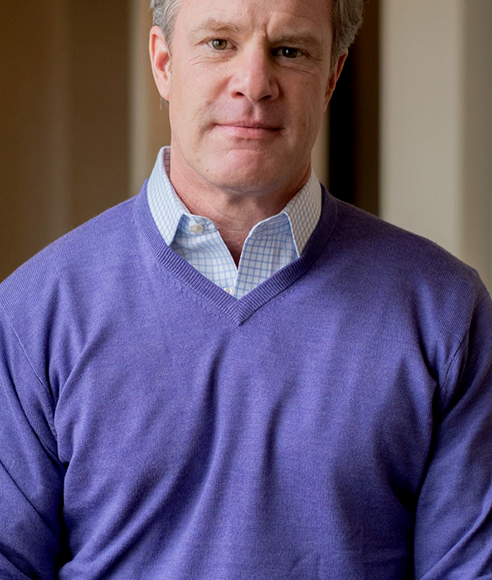
Dr. Brian Wind, Ph.D.
Chief Clinical Officer
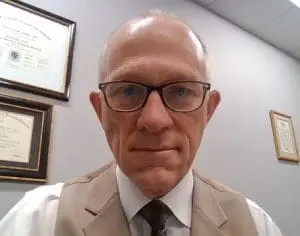
Dr. David Zoeller, MD
Medical Director
Accreditations

The Commission on Accreditation of Rehabilitation Facilities (CARF) is a non-profit organization that specifically accredits rehab organizations. Founded in 1966, CARF's, mission is to help service providers like rehab facilities maintain high standards of care.
CARF Accreditation: Yes

LegitScript has reviewed JourneyPure Knoxville as part of their certification program, and has determined that it meets the LegitScript standards for legality, safety and transparency.
LegitScript verified in May 2020

The National Association of Addiction Treatment Providers (NAATP) is a professional association that represents organizations in the field of addiction services. Founded in 1978, NAATP's mission is to advance addiction services and ensure that high-quality addiction treatment is available and accessible.
NAATP Member: Yes
Rehab.com regularly reviews this listing for accuracy but changes may occur between updates. For the most up-to-date information, please contact JourneyPure Knoxville.
Contact Information

17 Ridgeway Road
Norris, TN 37828
Get Help Now - 865-855-6975
Sponsored Helpline
Sponsored Helpline


