Researchers at the University of California San Diego conducted what is being described as the largest study of its kind, mapping the genetic markers tied to compulsive cocaine use in nearly 900 genetically diverse rats.
The team identified key genes, known as Ces1, which are responsible for creating the enzyme that metabolizes cocaine, and found that variations in these genes are closely linked to how frequently and compulsively the animals self-administered the drug.
For the millions of Americans with cocaine use disorder, a condition that currently has no FDA-approved medication, this research could help lay the groundwork for precision-based drug rehab and treatment options.
Why This Landmark Study Matters for Addiction Treatment
Although cocaine use disorder is known to have a substantial genetic basis, researchers have long faced challenges in identifying the specific genes that increase an individual’s risk of developing addiction.
That gap has made it difficult to develop targeted therapies. Co-corresponding author Abraham A. Palmer, PhD, professor of psychiatry at UC San Diego School of Medicine, noted that uncovering these genes is a critical objective because it could enable the development of medications that specifically target them.
This approach could make genetically vulnerable individuals resemble those who are naturally more resistant to addiction. It matters directly for how rehab centers and treatment providers approach cocaine use disorder.
Currently, addiction treatment for stimulant use relies heavily on behavioral therapies, counseling and residential or outpatient programming. A medication that addresses biological susceptibility could one day complement these existing treatment options.
The Liver’s Unexpected Role in Compulsive Drug Use
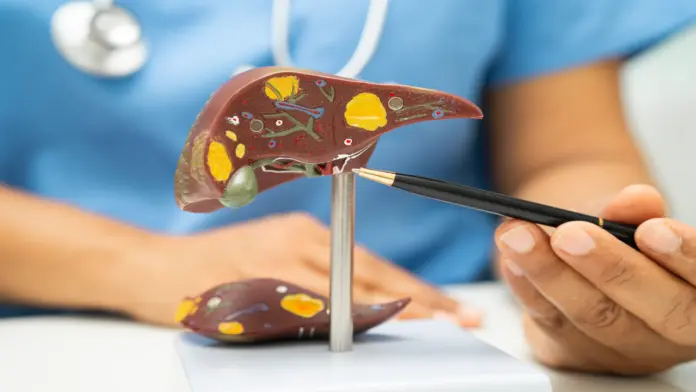
“Finding a liver-based enzyme that shapes cocaine-taking behavior was a real ‘aha’ moment for us,” said co-corresponding author Olivier George, PhD, a professor of psychiatry at UC San Diego School of Medicine. “It reminds us that addiction isn’t only in the brain. It’s a complex puzzle involving how the entire body processes the drug.”
By examining millions of genetic markers across the animals studied, the researchers identified six key genetic regions associated with addiction-related traits, including increased drug consumption and shorter intervals between doses.
The results indicate that medications designed to target cocaine-metabolizing enzymes could potentially modify the drug’s effects on the body and lessen its addictive properties.
The study used heterogeneous stock rats specifically because they can mimic the genetic diversity found in human populations. It successfully captured the fundamental differences between individuals who are genetically predisposed to addiction and those who possess a natural resistance.
From Lab Findings to Real-World Rehab
The study also confirmed a previously identified genetic association in humans involving Trak2, creating an important link between animal models and human medicine and reinforcing the possibility that the biological mechanisms uncovered in the laboratory may ultimately inform effective clinical treatments.
First author Montana Kay Lara, PhD, a postdoctoral researcher at UC San Diego School of Medicine, said that the Ces1 finding provides strong support for a hypothesis that researchers have discussed for decades. “It gives us a concrete target to test whether changing how cocaine is metabolized can blunt the drive toward compulsive use.”
The research team is now investigating exactly how these genetic mutations change the function of the Ces1 enzyme. They plan to use the study’s Preclinical Addiction Biobanks, collections of blood, urine, brain and other tissue samples, to identify biological markers.
These could one day help predict an individual’s risk of developing a substance use disorder. The study was funded by the National Institute on Drug Abuse (NIDA) within the National Institutes of Health (NIH).
What This Means for Treatment Seekers
Right now, there are no FDA-approved medications specifically for cocaine use disorder. Treatment relies primarily on evidence-based behavioral therapies delivered through drug rehab programs at residential, partial hospitalization or outpatient levels of care.
This research does not change current treatment options, but it signals that targeted medications could eventually become part of a comprehensive care plan. For people seeking help today, evidence-based addiction treatment remains the gold standard.
Finding the Right Rehab
If you or someone you love is struggling with cocaine use disorder, personalized addiction treatment is available now. Treatment centers across the country offer evidence-based approaches including cognitive behavioral therapy (CBT), contingency management, and integrated care for co-occurring mental health conditions.
Rehab.com’s directory lists thousands of verified rehab centers. Call
800-985-8516
(  Sponsored Helpline )
to speak with a treatment advisor about rehab centers, insurance coverage for rehab, and finding the right treatment options for your situation.
Sponsored Helpline )
to speak with a treatment advisor about rehab centers, insurance coverage for rehab, and finding the right treatment options for your situation.