















































































































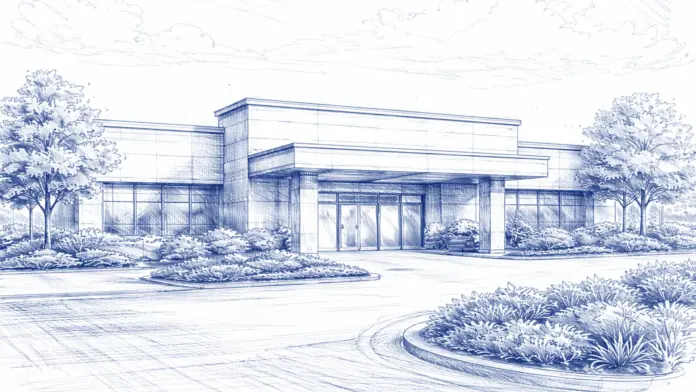
About Longleaf Recovery Baldwin
Longleaf Recovery Baldwin is an outpatient addiction and mental health treatment center in Spanish Fort, Alabama serving Baldwin County and surrounding communities.
The program offers partial hospitalization and intensive outpatient care for substance use disorders, mental health conditions and co-occurring disorders.
Longleaf provides personalized, evidence based treatment that allows clients to keep living at home while working, studying or maintaining family responsibilities.
Addiction Treatment Programs
Care can begin with detox coordination and supervised medical withdrawal support, then transition into the partial hospitalization program, the highest level of outpatient care here, offering full days of treatment several days per week with clinician, therapist and nursing support.
The intensive outpatient program provides added flexibility with day and evening options.
Clients can expect therapy and psychoeducation, life skills and medication management, along with trauma focused approaches such as Brainspotting and EMDR.
Family support services, neuropsychological and genetic testing, and weekly therapist led aftercare groups round out the continuum.
Key Features
- Location: Spanish Fort, Alabama serving Baldwin County and nearby areas
- Levels of care: PHP and IOP, medication management and aftercare support
- Who they treat: Adult men and women with addiction, mental health and dual diagnosis needs, plus healthcare professional evaluations
- Approach: Trauma informed care including Brainspotting and EMDR, CBT and DBT
- Payment options: Most private insurance accepted including BCBS, Aetna and Cigna, TRICARE and cash pay
- Amenities: Modern therapy rooms, group spaces and welcoming peer connection areas
Facility Overview
 15 - 30
 Latest Reviews



Rehab Score
 Our Methodology


Location
Accepted Insurance


Other Forms of Payment
Private insurance refers to any kind of healthcare coverage that isn't from the state or federal government. This includes individual and family plans offered by an employer or purchased from the Insurance Marketplace. Every plan will have different requirements and out of pocket costs so be sure to get the full details before you start treatment.
Self-pay involves paying for treatment out of your own pocket. You can use savings or credit, get a personal loan, or receive help from family and friends to fund your treatment. If you don't have insurance or your insurance plan doesn't cover a specific program, self-pay can help ensure you still get the care you need.
Financing your treatment can make treatment more accessible. You'll work with your care provider to set up payment plans, including interest rates and repayment timelines. Financing options vary widely and not all programs offer them, so be sure to get the full details before enrolling in treatment. If you have insurance or other benefits, financing may help you cover your remaining out of pocket expenses.
Addiction Treatments
Levels of Care
A partial hospitalization program (PHP) provides comprehensive treatment to those who do not require 24/7 monitoring and offers a higher level of care than outpatient programs. Often referred to as "day treatment" patients typically attend sessions a minimum of 20 hours weekly, allowing clients to return home each day. PHP treatment is often covered by insurance and can provide daily therapeutic sessions and services such as relapse prevention and medication management.
Intensive outpatient programs (IOP) are designed for clients in early recovery and those at an elevated risk of relapse. Clients in IOP attend outpatient therapy sessions for a minimum of nine hours per week but clients may receive as many as 20 hours of IOP treatment weekly. Sessions generally occur in 3-5 hour blocks, in which time clients engage in some combination of medication assisted treatment (MAT), psychotherapy, recovery skills training, or complementary care.
Outpatient rehab is designed primarily for clients who do not require intensive clinical supervision. This includes clients who are exiting detox or inpatient care. Outpatient treatment typically involves addiction counseling, recovery education, and life skills training. These programs encompass varying levels of care, including partial hospitalization (PHP), intensive outpatient (IOP), standard outpatient (OP), and sober living/halfway house programs. Each category is defined by the frequency and intensity of treatment.
Medically assisted detox is often the first step of addiction treatment. At the medical detox level of care, you are weaning your body off drugs and/or alcohol under the care of licensed medical professionals who constantly monitor your health and treat any potential withdrawal symptoms, sometimes with the aid of medication (like Suboxone or Vivitrol).
Treatments
Alcoholism, also called alcohol use disorder (AUD), is defined as an impaired ability to stop or control drinking alcohol despite negative consequences. Whether the condition is mild, moderate, or severe, effective treatment is available through alcohol rehab in Alabama. Evidence-based therapies, mutual-support groups, and medications have all proven effective treatments alcohol addiction.
Drug rehab in Alabama provides medical or psychotherapeutic treatment for drug dependency. Methods of treatment often include a combination of medication, counseling, and recreational therapies.
 Opioid Addiction
Dual-diagnosis addiction treatment in Alabama is a comprehensive approach to treat co-occurring substance use disorders and mental health conditions. Expert clinicians utilize evidence-based therapies, such as cognitive behavioral therapy, or dialectical behavioral therapy to address addiction and co-occurring mental health challenges. Offering various levels of care, including outpatient, inpatient, or partial hospitalization programs — dual-diagnosis treatment programs can be tailored to meet your needs.
Clinical Services
The goal of cognitive behavioral therapy in Alabama is to lessen the symptoms of certain mental health conditions, including substance abuse and co occurring mental health disorders. It is known as one of the most effective means of treatment for these conditions.
Dialectical behavior therapy (DBT) is a form of talk therapy designed to treat individuals who are experiencing intense emotions. It is often used in Alabama for the treatment of borderline personality disorder, substance use disorder, and other mental health conditions.
Individual therapy for drug and alcohol addiction involves one on one sessions with a therapist to address the psychological and behavioral aspects of addiction. Your therapist may use Cognitive Behavioral Therapy, Dialectical Behavior Therapy, or Motivational Interviewing to help you develop coping strategies and work towards long term sobriety.
Group therapy provides men and women in Alabama a supportive environment where they can share experiences, build connections, and receive encouragement from their peers who are facing similar challenges with drug addiction and co occurring mental health conditions.
Rehab.com regularly reviews this listing for accuracy but changes may occur between updates. For the most up-to-date information, please contact Longleaf Recovery Baldwin.
Contact Information


13920 Cypress Way, Spanish Fort, AL 36527
Sponsored Helpline

