Indiana Center For Recovery – Alcohol & Drug Rehab Center – Bloomington
1
Top 10 Rehab Centers In Bloomington




















































































 Our Methodology



Private insurance refers to any kind of healthcare coverage that isn't from the state or federal government. This includes individual and family plans offered by an employer or purchased from the Insurance Marketplace. Every plan will have different requirements and out of pocket costs so be sure to get the full details before you start treatment.
Self-pay involves paying for treatment out of your own pocket. You can use savings or credit, get a personal loan, or receive help from family and friends to fund your treatment. If you don't have insurance or your insurance plan doesn't cover a specific program, self-pay can help ensure you still get the care you need.
Financial aid can take many forms. Centers may have grants or scholarships available to clients who meet eligibility requirements. Programs that receive SAMHSA grants may have financial aid available for those who need treatment as well. Grants and scholarships can help you pai for treatment without having to repay.
Medicaid is a state based program that helps lower-income individuals and families pay for healthcare. Medicaid covers addiction treatment so those enrolled can use their coverage to pay for rehab. When a program accepts Medicaid the client often pays very little or nothing out of their own pocket.
Medicare is a federal program that provides health insurance for those 65 and older. It also serves people under 65 with chronic and disabling health challenges. To use Medicare for addiction treatment you need to find a program that accepts Medicare and is in network with your plan. Out of pocket costs and preauthorization requirements vary, so always check with your provider.
Military members, veterans, and eligible dependents have access to specific insurance programs that help them get the care they need. TRICARE and VA insurance can help you access low cost or no cost addiction and mental health treatment. Programs that accept military insurance often have targeted treatment focused on the unique challenges military members, veterans, and their families face.
Outpatient Programs (OP) are for those seeking mental rehab or drug rehab, but who also stay at home every night. The main difference between outpatient treatment (OP) and intensive outpatient treatment (IOP) lies in the amount of hours the patient spends at the facility. Most of the time an outpatient program is designed for someone who has completed an inpatient stay and is looking to continue their growth in recovery. Outpatient is not meant to be the starting point, it is commonly referred to as aftercare.
Clients typically enter inpatient rehab after they complete detox. Inpatient care is also designed for clients who are experiencing a crisis and are at an increased risk of relapse. Clients reside at the treatment center for the duration of their program. Clients engage in intensive addiction counseling, often using CBT, DBT, RBT, motivational interviewing or other proven modalities. Many inpatient rehabs offer recovery-focused life skills training. Evidence-based complementary therapies, such as meditation and yoga, may be included.
Intensive outpatient programs (IOP) provide one of the highest levels of care available in an outpatient setting and are designed for clients who require robust support. Many intensive outpatient rehabs offer personalized treatment plans and a variety of services, including individual, group, and family counseling, recovery-focused life skills training, holistic therapies, and medication assisted treatment (MAT). Clients typically receive between nine and 20 hours of care weekly.
Rehab aftercare programs provide robust, wraparound care for clients who have completed detox and/or intensive inpatient rehab. Their services may vary widely, but typically include peer coaching, relapse prevention support, 12 step program induction, career counseling, and related community reintegration services. The client's case manager and recovery team coordinates with the client to identify the rehab aftercare services they need to promote their sustained sobriety.
12 step programs support long-term recovery through personal growth. Participants are expected to regularly attend 12 step meetings, which are free, anonymous, and accessible 365 days per year in most communities. They are also mentored by self-selected sponsors who help guide them through the steps of recovery, which are rooted in spiritual principles and designed to foster self-awareness, forgiveness, accountability, and acceptance. Religious affiliation is not required and specialized formats, including age and gender specific meetings, are available.
Substance rehabs focus on helping individuals recover from substance abuse, including alcohol and drug addiction (both illegal and prescription drugs). They often include the opportunity to engage in both individual as well as group therapy.
Adult rehab programs include therapies tailored to each client's specific needs, goals, and recovery progress. They are tailored to the specific challenges adult clients may face, including family and work pressures and commitments. From inpatient and residential treatment to various levels of outpatient services, there are many options available. Some facilities also help adults work through co-occurring conditions, like anxiety, that can accompany addiction.
Young adulthood can be an exciting, yet difficult, time of transition. Individuals in their late teens to mid-20s face unique stressors related to school, jobs, families, and social circles, which can lead to a rise in substance use. Rehab centers with dedicated young adult programs will include activities and amenities that cater to this age group, with an emphasis on specialized counseling, peer socialization, and ongoing aftercare.
Therapists often use cognitive behavioral therapy in Minnesota to treat substance use disorders because it can help clients quickly identify challenges and ways to cope with them. Its structured, specific methods require fewer sessions than other types of therapy.
People benefit from group therapy sessions that offer them the chance to learn and practice conflict resolution skills with their peers. This helps you recognize your strengths and capabilities, which boosts your self confidence as you work toward overcoming addiction and building a healthier lifestyle.
In individual therapy, a patient meets one-on-one with a trained psychologist or counselor. Therapy is a pivotal part of effective substance abuse treatment, as it often covers root causes of addiction, including challenges faced by the patient in their social, family, and work/school life.
When conducting motivational interviewing in Minnesota, the interviewer encourages clients to discuss their reasons for making changes and their need for change in their lives. The interviewer's role is to listen and reflect, to evoke conversation about commitment to change.
Families in Minnesota use family therapy to understand the roles they play in addiction. Each member plays a role and contributes to a pattern of behavior. Families learn to interact in healthier ways that support each other and contribute to their loved one's journey to recovery.
For a successful recovery, life skills training is key. That's why rehab programs in Minnesota include training in social skills, self care, time management, financial management, and other daily life skills. By growing in these areas, you'll gain tools that allow you to navigate challenges and avoid relapse.
Recreational therapy supports addiction recovery by giving you enjoyable activities that improve your overall well being. Treatment centers may include team sports, arts and crafts, or outdoor activities to help reduce your cravings, alleviate stress, and build a supportive community network that helps maintain long term sobriety.
The expressive activities of experiential therapy allow you to reexperience past emotional situations safely. Your therapist can then help you reflect on the emotions that this triggered, work through past hurts, and learn how to deal with future emotional challenges.
 Residential Setting
  Private Rooms
Chair, BOD

CEO & President
Chief Administrative Officer

CFO

Chief Legal Officer & Secretary

The Joint Commission, formerly known as JCAHO, is a nonprofit organization that accredits rehab organizations and programs. Founded in 1951, the Joint Commision's mission is to improve the quality of patient care and demonstrating the quality of patient care.
Joint Commission Accreditation: Yes
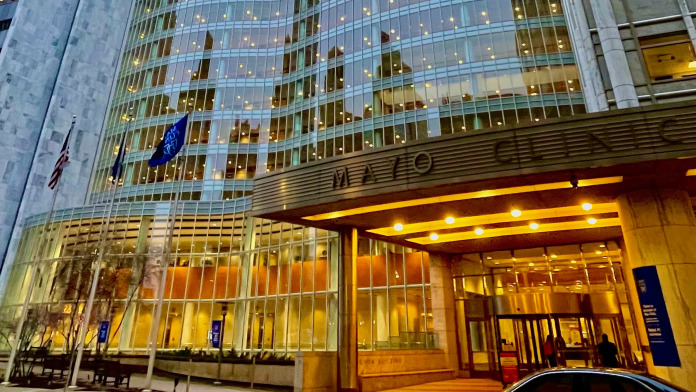
Rehab.com regularly reviews this listing for accuracy but changes may occur between updates. For the most up-to-date information, please contact Mayo Clinic | Psychiatry.

200 1st Street SW
Rochester, MN 55905
Sponsored Helpline

I was eating with a group of men. We were socializing. I have a B.A. in Psychology. One man said he hallucinate when he looks at the clock. I usually able to help people pretty well with their problems. I did not know this one. I know hallucinating is when you see things that aren't there. I forgot to tell the psychiatrist my I.Q. it's 111. I'm low ability. It was a woman psychiatrist with black hair.

Called to find out about inpatient care for a family member. They said they didn't have any programs abd to Google. I explained I have been doing that abd the said we have nothing but going to the internet

I just want to say to the Doctor's here. Thank you so so much!! You helped changed my daughter's life. We went to 11 hospitals and no one could help my daughter. Until I came here. They do amazing work. They changed my daughter's life for the better. I am eternally thankful! God bless!! think the doctor's here are amazing! I am very thankful for their amazing work on helping me with my family! I don't care for the nurses. I think need better screening. But, the doctors know their medicine. Greatful!

I called today to find out if I could receive help from the Mayo Clinic. I suffer from debilitating mental health issues and have literally tried everything I can which is why several of my doctors referred me to the Mayo Clinic despite living thousands of miles away. I finally got the courage to call. It was not a good experience. As I type this review, I am unable to stop crying. The man who answered the call was incredibly rude. He was apathetic and would not offer any information about the Mayo Clinic’s services. He made me feel more hopeless than I have felt in a long time. I am a Mental Health therapist and can’t imagine talking to someone seeking help the way this man talked to me. I have always felt impressed and in awe of the Mayo Clinic and what they have been able to do for people who have reached a point where they have no other options. I know that I will not be referring any clients there and will be sharing my experience with the community of mental health professionals in my area. This is unacceptable! I am not sure at this point where to go from here. I have fought for 30+ years, advocating for myself and trying EVERYTHING available to find some measure of relief from this living Hell that is my life. This man made me feel worthless. It’s concerning to me that mental health professionals like him are allowed to work in this field with such an incredibly vulnerable population.
 Back
Back
Sharing your insights and experiences can help others learn more about this rehab center.