





























































































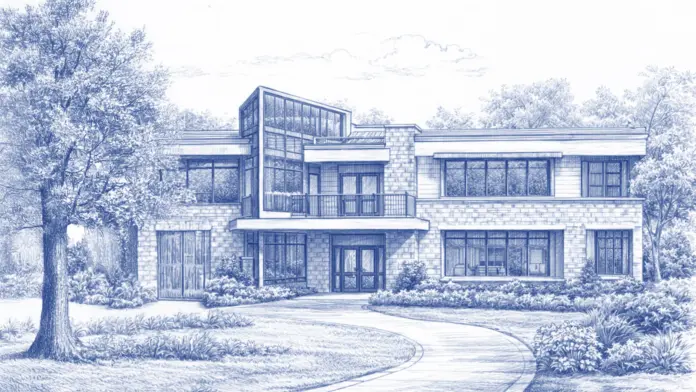
About MedLink Athens
MedLink Athens is a community-based substance use treatment program in Athens, Georgia, offering outpatient Medication-Assisted Recovery for adults struggling with alcohol or opioid use disorders.
Located at 2000 Prince Avenue, the clinic is part of MedLink Georgia, a nonprofit federally qualified health center network serving northeast Georgia.
The program takes a whole-person, integrated approach that blends medical care, counseling and behavioral health support to promote long-term recovery.
Addiction Treatment Programs at MedLink Athens
Care typically begins with an assessment by a medical provider, who determines whether Medication-Assisted Recovery (MAR) is an appropriate path.
From there, adult patients can access outpatient treatment that combines FDA-approved medications with ongoing counseling and integrated primary care.
Patients in the MAR program can expect support for alcohol dependence, opioid use disorder and pregnancy with opioid use disorder.
Treatment may include Vivitrol, Suboxone, or Subutex during pregnancy, paired with behavioral health therapy, relapse prevention planning and coordinated medical services.
Quick Facts About MedLink Athens
- Location: 2000 Prince Avenue in Athens, Georgia, within a community health center setting
- Levels of care: Outpatient Medication Assisted Recovery integrated with primary and behavioral health care
- Who they treat: Adults 18 and older, including pregnant patients with opioid use disorder
- Approach: Patient-centered, integrated medical, behavioral health and counseling services
- Payment options: Sliding fee scale, Medicaid and major private insurers such as Aetna, BCBS, Cigna, Humana and UnitedHealth Group
- Additional services: On-site pharmacy delivery, telehealth options and insurance enrollment assistance
Latest Reviews



Rehab Score
 Our Methodology


Location
Accepted Insurance
Other Forms of Payment
Medicaid is a state based program that helps lower-income individuals and families pay for healthcare. Medicaid covers addiction treatment so those enrolled can use their coverage to pay for rehab. When a program accepts Medicaid the client often pays very little or nothing out of their own pocket.
Medicare is a federal program that provides health insurance for those 65 and older. It also serves people under 65 with chronic and disabling health challenges. To use Medicare for addiction treatment you need to find a program that accepts Medicare and is in network with your plan. Out of pocket costs and preauthorization requirements vary, so always check with your provider.
Private insurance refers to any kind of healthcare coverage that isn't from the state or federal government. This includes individual and family plans offered by an employer or purchased from the Insurance Marketplace. Every plan will have different requirements and out of pocket costs so be sure to get the full details before you start treatment.
Self-pay involves paying for treatment out of your own pocket. You can use savings or credit, get a personal loan, or receive help from family and friends to fund your treatment. If you don't have insurance or your insurance plan doesn't cover a specific program, self-pay can help ensure you still get the care you need.
Sliding scale payments are based on a client's income and family size. The goal is to make treatment affordable to everyone. By taking these factors into account, addiction recovery care providers help ensure that your treatment does not become a financial burden to you or your family, eliminating one barrier to care.
Addiction Treatments
Levels of Care
Outpatient rehab enables clients to receive addiction treatment while continuing to work and reside at home. Many programs offer evening, night, and weekend services so that clients may receive treatment on their own schedule. Outpatient treatment modalities typically include addiction counseling, recovery-focused life skills training, and/or medication assisted treatment (MAT). Many programs also provide step-down care, including partial hospitalization (PHP), intensive outpatient (IOP), and standard outpatient services, to align with clients' evolving needs.
Treatments
Alcoholism is a pattern of alcohol use that involves continued drinking even when it causes problems. Alcoholism is also characterized by a physical dependence on alcohol, which causes the body to experience withdrawal symptoms when alcohol is not present. Due to this physical dependence, medically-supervised detox is often necessary to safely recover from alcoholism. Alcohol rehab in Georgia offers a three-step process of detox, rehab, and maintenance to help individuals recover from alcohol addiction.
 Opioid Addiction
Programs
Adult rehab programs include therapies tailored to each client's specific needs, goals, and recovery progress. They are tailored to the specific challenges adult clients may face, including family and work pressures and commitments. From inpatient and residential treatment to various levels of outpatient services, there are many options available. Some facilities also help adults work through co-occurring conditions, like anxiety, that can accompany addiction.
Clinical Services
While cognitive behavioral therapy in Georgia is unique for each person, this therapy follows a standard structure that has proven effective. Clients first learn about their substance use disorder, then learn and practice techniques such as coping, stress management, and resilience to change their thought and behavior patterns.
While each person is unique, the typical length for dialectical behavior therapy is six months to a year. You'll attend weekly hour long individual sessions with your therapist, as well as weekly group sessions. Homework between sessions often includes keeping a diary to track your emotions and behaviors. Your therapist uses this diary to guide the focus of each session.
 Eye Movement Desensitization And Reprocessing
Accreditations

The Commission on Accreditation of Rehabilitation Facilities (CARF) is a non-profit organization that specifically accredits rehab organizations. Founded in 1966, CARF's, mission is to help service providers like rehab facilities maintain high standards of care.
CARF Accreditation: Yes

The Joint Commission, formerly known as JCAHO, is a nonprofit organization that accredits rehab organizations and programs. Founded in 1951, the Joint Commision's mission is to improve the quality of patient care and demonstrating the quality of patient care.
Joint Commission Accreditation: Yes

The Substance Abuse and Mental Health Services Administration (SAMHSA) is a branch of the U.S. Department of Health and Human Services. Established in 1992 by congress, SAMHSA's mission is to reduce the impact of substance abuse and mental illness on American's communities.
SAMHSA Listed: Yes
Rehab.com regularly reviews this listing for accuracy but changes may occur between updates. For the most up-to-date information, please contact MedLink Athens.
Contact Information


2000 Prince Ave, Athens, GA 30606
Sponsored Helpline



