






























































































VERY UNPROFESSIONAL! THIS PLACE ON COMMERCIAL DRIVE IN SAVANNAH GA IS A JOKE! CRYSTAL, ONE OF THE COUNSELORS RUNS THE PLACE BECAUSE THERE IS NO DIRECTOR AND HASN'T BEEN IN OVER A YEAR! IF SHE DOSNT LIKE YOU, FORGET ANY PRIVILEGES LIKE TAKE HOMES..
About MedMark Treatment Centers Savannah
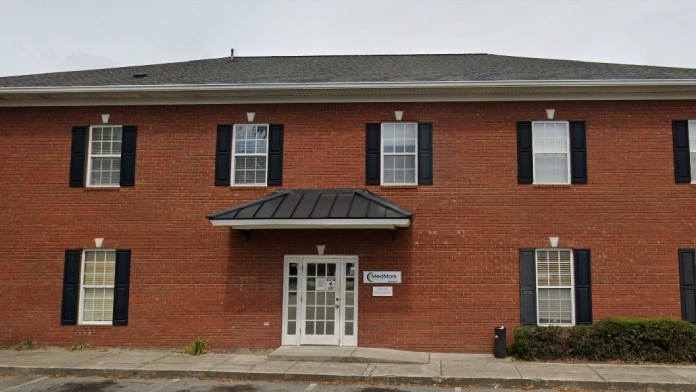
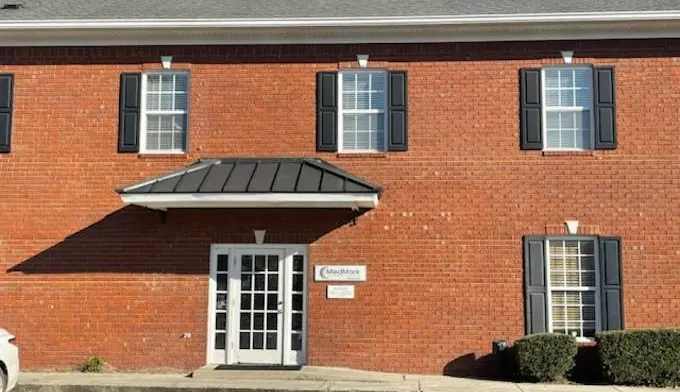
MedMark Treatment Centers Savannah is an outpatient opioid addiction clinic in Savannah, Georgia. They help people struggling with opioid use issues and the challenges that come with it. They specialize in medication assisted treatment. This proven technique combines counseling and FDA approved meds to heal the whole person not just the symptoms of the addiction. The clinic takes a step further by providing recovery support services that ensure you sustain your recovery gains.
You can visit their clinic to receive focused care if you or your loved one is dealing with opioid use issues. They’re situated south of downtown Savannah in Chatham County. Their location is easy to access via Abercorn Street for both locals and folks coming from nearby areas like Richmond Hill and Bluffton. Chatham Area Transit operates buses within the area that can get you super close to the address. The clinic provides transportation through Medicaid. This may benefit you depending on your plan.
The location also boasts nearby attractions like Lake Mayer Park, Wormsloe Historic Site and Skidaway Island State Park. You can visit these sites to unwind and relax after therapy sessions. Balancing treatment with leisure or recreational activities can help your recovery.
One of the things I admire about this clinic is the way they’re able to keep treatment costs super low by accepting various insurance. This includes Medicaid, Medicare and various private insurance plans. Their warm and nonjudgmental outpatient setting ensures you feel comfy and safe. You’ll undergo a detailed medical assessment and testing upon arrival. This helps the team tailor medication, dosages and counseling to your needs. This personalized approach ensures the best recovery outcomes.
Methadone Maintenance Treatment in Savannah
MedMark Treatment Centers Savannah has methadone and buprenorphine available for medication assisted treatment. So you’ll be prescribed either of these meds depending on your tailored care plans. The meds will help eliminate painful withdrawal symptoms and curb cravings when you take them as prescribed. This basically takes care of your physical symptoms.
You’ll then attend counseling in both individual and group settings to tackle the psychological symptoms. Counseling also helps you address the underlying emotional and social issues contributing to your opioid use. You’ll be equipped with new tools or coping skills to manage triggers and prevent relapse. Pairing counseling and meds this way ensures holistic healing. This enables you to face life with renewed zeal, vigor and passion.
Their full spectrum of care involves linkage to resources within the community that support sustained healing. This may include housing support, job placement and medical care. They can even refer you to a self help group for ongoing support. These services are facilitated through case management and may form part of your discharge plan.
Coordinated Pregnancy Treatment
Pregnant women struggling with opioid use issues require specialized care that prioritizes the safety of the mom and fetus. MedMark Treatment Centers Savannah offers tailored care that addresses these unique needs. This may include coordinating care with OBGYNs to ensure comprehensive treatment. The goal is a healthy pregnancy and a safe recovery.
Guest Medication Services
MedMark Treatment Centers Savannah offers guest medication services. This important service allows folks in recovery to continue their treatment while traveling or temporarily away from their regular clinic. This ensures uninterrupted access to necessary medications like methadone or buprenorphine. It’s a convenient way to maintain stability and progress in recovery no matter where you are.
Latest Reviews
If you need help, there's always hope at Medmark of Savannah. I can't express how thankful I am for the help they've given me. Thank You!
Response from the owner3 weeks ago
Thank you so much for your kind words! We work hard to meet expectations like yours, and we’re happy to hear we hit the mark for you.
Great experience this morning with Dr.Yost and Alicia. Been here 10 years and been to other places but they are best!
Medmark clinic has helped me stay motivated and also to feel positive about being able to accomplish the goals that I thought were not possible, which has improved my life
greatly.
Response from the owner3 weeks ago
Thank you so much for the kind review! We take pride in delivering supportive recovery services to individuals of all walks of life. 
Rehab Score
 Our Methodology
Scoring is assigned by a proprietary system which helps surface key metrics that determine quality. The 10-point scale factors in categories such as operations, customer satisfaction, and trust metrics. Read Full Methodology

8.2 / 10
Gallery
Accepted Insurance
Other Forms of Payment
Private insurance refers to any kind of healthcare coverage that isn't from the state or federal government. This includes individual and family plans offered by an employer or purchased from the Insurance Marketplace. Every plan will have different requirements and out of pocket costs so be sure to get the full details before you start treatment.
Self-pay involves paying for treatment out of your own pocket. You can use savings or credit, get a personal loan, or receive help from family and friends to fund your treatment. If you don't have insurance or your insurance plan doesn't cover a specific program, self-pay can help ensure you still get the care you need.
Sliding scale payments are based on a client's income and family size. The goal is to make treatment affordable to everyone. By taking these factors into account, addiction recovery care providers help ensure that your treatment does not become a financial burden to you or your family, eliminating one barrier to care.
Military members, veterans, and eligible dependents have access to specific insurance programs that help them get the care they need. TRICARE and VA insurance can help you access low cost or no cost addiction and mental health treatment. Programs that accept military insurance often have targeted treatment focused on the unique challenges military members, veterans, and their families face.
Addiction Treatments
Levels of Care
Outpatient Programs (OP) are for those seeking mental rehab or drug rehab, but who also stay at home every night. The main difference between outpatient treatment (OP) and intensive outpatient treatment (IOP) lies in the amount of hours the patient spends at the facility. Most of the time an outpatient program is designed for someone who has completed an inpatient stay and is looking to continue their growth in recovery. Outpatient is not meant to be the starting point, it is commonly referred to as aftercare.
Intensive Outpatient Programs (IOP) are for those who want or need a very structured treatment program but who also wish to live at home and continue with certain responsibilities (such as work or school). IOP substance abuse treatment programs vary in duration and intensity, and certain outpatient rehab centers will offer individualized treatment programs.
Aftercare, which is sometimes referred to as continuing care or relapse prevention, is a type of structured care meant to help you continue with the progress you've made after completing an addiction treatment program. Most of the time, you'll continue receiving support after a treatment program by partnering with their case managers and staff to identify and access the resources you need to remain sober.
A drug intervention in Georgia is designed to encourage an individual to get the treatment they need. This effort aims to break through resistance and motivate the individual to get help. The process typically involves loved ones sharing their concerns with the individual and how their substance use has affected those who care about them. A professional interventionist can help guide this conversation and explain from the clinical side how treatment can be beneficial.
Drug and alcohol addiction often takes a heavy toll on one's body. Over time, a physical dependence can develop, meaning the body physiologically needs the substance to function. Detox is the process of removing drugs and/or alcohol from the body, a process that can be lethal if mismanaged. Medical detox is done by licensed medical professionals who monitor vital signs and keep you safe, healthy, and as comfortable as possible as you go through detox and withdrawal.
Treatments
Alcoholism is a pattern of alcohol use that involves continued drinking even when it causes problems. Alcoholism is also characterized by a physical dependence on alcohol, which causes the body to experience withdrawal symptoms when alcohol is not present. Due to this physical dependence, medically-supervised detox is often necessary to safely recover from alcoholism. Alcohol rehab in Georgia offers a three-step process of detox, rehab, and maintenance to help individuals recover from alcohol addiction.
A quality drug rehab in Georgia can help you overcome addiction. This environment is designed to help you address the complex issues contributing to drug dependence. The goal of treatment is to give you the tools you need to make a full recovery.
Dual-diagnosis rehabs in Georgia can help to support individuals struggling with both mental health and substance abuse through holistic treatment programs that address both issues simultaneously. Co-occurring disorder treatment typically includes counseling, medication support, therapy, group sessions, and skills training. This integrated approach treats the whole person and improves recovery outcomes by equipping participants with the necessary skills to continue their recovery.
Opioid rehabs specialize in supporting those recovering from opioid addiction. They treat those suffering from addiction to illegal opioids like heroin, as well as prescription drugs like oxycodone. These centers typically combine both physical as well as mental and emotional support to help stop addiction. Physical support often includes medical detox and subsequent medical support (including medication), and mental support includes in-depth therapy to address the underlying causes of addiction.
Programs
Adult rehab programs include therapies tailored to each client's specific needs, goals, and recovery progress. They are tailored to the specific challenges adult clients may face, including family and work pressures and commitments. From inpatient and residential treatment to various levels of outpatient services, there are many options available. Some facilities also help adults work through co-occurring conditions, like anxiety, that can accompany addiction.
Young adulthood can be an exciting, yet difficult, time of transition. Individuals in their late teens to mid-20s face unique stressors related to school, jobs, families, and social circles, which can lead to a rise in substance use. Rehab centers with dedicated young adult programs will include activities and amenities that cater to this age group, with an emphasis on specialized counseling, peer socialization, and ongoing aftercare.
Serving in the military is both mentally and physically challenging, and can result in trauma that persists even after combat ends. Military programs are tailored to the specific and often complex needs of active duty personnel, veterans, and military families. Clients often access these programs through the U.S. Department of Veterans Affairs (VA).
Clinical Services
While cognitive behavioral therapy in Georgia is unique for each person, this therapy follows a standard structure that has proven effective. Clients first learn about their substance use disorder, then learn and practice techniques such as coping, stress management, and resilience to change their thought and behavior patterns.
While each person is unique, the typical length for dialectical behavior therapy is six months to a year. You'll attend weekly hour long individual sessions with your therapist, as well as weekly group sessions. Homework between sessions often includes keeping a diary to track your emotions and behaviors. Your therapist uses this diary to guide the focus of each session.
Group therapy is any therapeutic work that happens in a group (not one-on-one). There are a number of different group therapy modalities, including support groups, experiential therapy, psycho-education, and more. Group therapy involves treatment as well as processing interaction between group members.
In individual therapy, a patient meets one-on-one with a trained psychologist or counselor. Therapy is a pivotal part of effective substance abuse treatment, as it often covers root causes of addiction, including challenges faced by the patient in their social, family, and work/school life.
Many life skills involve coping with emotions and stress. Others involve completing tasks that allow you to live independently. Examples include finding a job, managing finances, and nutrition. During rehab in Georgia, you'll work on any skills that are lacking to ensure you have the tools for success post treatment.
Amenities
-
 Private Setting
Accreditations

The Commission on Accreditation of Rehabilitation Facilities (CARF) is a non-profit organization that specifically accredits rehab organizations. Founded in 1966, CARF's, mission is to help service providers like rehab facilities maintain high standards of care.
CARF Accreditation: Yes
Accreditation Number: 244493

The Substance Abuse and Mental Health Services Administration (SAMHSA) is a branch of the U.S. Department of Health and Human Services. Established in 1992 by congress, SAMHSA's mission is to reduce the impact of substance abuse and mental illness on American's communities.
SAMHSA Listed: Yes

State Licenses are permits issued by government agencies that allow rehab organizations to conduct business legally within a certain geographical area. Typically, the kind of program a rehab facility offers, along with its physical location, determines which licenses are required to operate legally.
State License: Georgia
Rehab.com regularly reviews this listing for accuracy but changes may occur between updates. For the most up-to-date information, please contact MedMark Treatment Centers Savannah.
Contact Information

600 Commercial Ct
Suite A
Savannah, GA 31406
Get Help Now - 912-456-1071
Sponsored Helpline
Sponsored Helpline


