





























































































About Mid Coast Hospital Behavioral Health
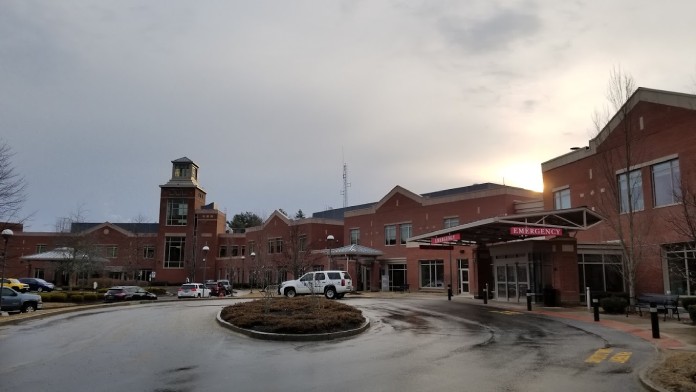
Mid Coast Hospital Behavioral Health part of a full-service 93-bed hospital in Brunswick, Maine. Their integrated healthcare network provides high-quality and affordable care for over one million people across Maine and New Hampshire. They provide tailored behavioral and medical interventions.
You can visit this facility to receive confidential, high quality and expert care if you’re struggling with substance use disorders. They can help you overcome addiction to alcoholism and opioids so that you can return to healthy living. They also treat co-occurring mental health disorders. A specialized recovery program is available for pregnant women and new mothers with substance use issues.
The great thing about this facility is that they have the full backing and resources of the MaineHealth network. This means they can easily refer you to primary or specialty care if necessary.
The facility accepts Medicare, MaineCare and private insurance. You may even qualify for financial aid. They ensure you’re provided care regardless of your ability to pay.
Medication Supported Recovery
You can receive medication assisted treatment or MAT in this clinic to handle opioid use issues. They can prescribe either Suboxone, Vivitrol or naltrexone depending on your tailored care. These meds help you curb cravings and alleviate painful withdrawal symptoms. It is then backed up with counseling to address psychological issues and ensure lasting abstinence.
They also offer FDA approved nicotine replacement meds to support those struggling with quitting smoking or chewing tobacco. Nicotine replacement meds help you manage nicotine withdrawal and smoke cravings. Counseling may be provided as well to ensure well rounded care. Their broader program includes psychiatric care to support folks with co-occurring disorders. This may encompass psychiatric assessment, psychiatric medication prescriptions and medication management.
Addiction Recovery for Pregnant Women
Mid Coast Hospital supports pregnant women and moms with young children aged five and below through a special program called Healthy Generation. These home-based substance use education sessions equip clients with tools to live a positive and healthy life free from drugs and alcohol. This is all while taking care of their young children.
Facility Overview
 93
93 Latest Reviews



Rehab Score
 Our Methodology


Gallery
Other Forms of Payment
Medicaid is a state based program that helps lower-income individuals and families pay for healthcare. Medicaid covers addiction treatment so those enrolled can use their coverage to pay for rehab. When a program accepts Medicaid the client often pays very little or nothing out of their own pocket.
Medicare is a federal program that provides health insurance for those 65 and older. It also serves people under 65 with chronic and disabling health challenges. To use Medicare for addiction treatment you need to find a program that accepts Medicare and is in network with your plan. Out of pocket costs and preauthorization requirements vary, so always check with your provider.
Self-pay involves paying for treatment out of your own pocket. You can use savings or credit, get a personal loan, or receive help from family and friends to fund your treatment. If you don't have insurance or your insurance plan doesn't cover a specific program, self-pay can help ensure you still get the care you need.
Private insurance refers to any kind of healthcare coverage that isn't from the state or federal government. This includes individual and family plans offered by an employer or purchased from the Insurance Marketplace. Every plan will have different requirements and out of pocket costs so be sure to get the full details before you start treatment.
Financial aid can take many forms. Centers may have grants or scholarships available to clients who meet eligibility requirements. Programs that receive SAMHSA grants may have financial aid available for those who need treatment as well. Grants and scholarships can help you pai for treatment without having to repay.
Military members, veterans, and eligible dependents have access to specific insurance programs that help them get the care they need. TRICARE and VA insurance can help you access low cost or no cost addiction and mental health treatment. Programs that accept military insurance often have targeted treatment focused on the unique challenges military members, veterans, and their families face.
 Employee Assistance Program
Addiction Treatments
Levels of Care
Residential treatment programs are those that offer housing and meals in addition to substance abuse treatment. Rehab facilities that offer residential treatment allow patients to focus solely on recovery, in an environment totally separate from their lives. Some rehab centers specialize in short-term residential treatment (a few days to a week or two), while others solely provide treatment on a long-term basis (several weeks to months). Some offer both, and tailor treatment to the patient's individual requirements.
Outpatient Programs (OP) are for those seeking mental rehab or drug rehab, but who also stay at home every night. The main difference between outpatient treatment (OP) and intensive outpatient treatment (IOP) lies in the amount of hours the patient spends at the facility. Most of the time an outpatient program is designed for someone who has completed an inpatient stay and is looking to continue their growth in recovery. Outpatient is not meant to be the starting point, it is commonly referred to as aftercare.
Drug and alcohol addiction often takes a heavy toll on one's body. Over time, a physical dependence can develop, meaning the body physiologically needs the substance to function. Detox is the process of removing drugs and/or alcohol from the body, a process that can be lethal if mismanaged. Medical detox is done by licensed medical professionals who monitor vital signs and keep you safe, healthy, and as comfortable as possible as you go through detox and withdrawal. The length of stay at the detoxification program is determined according to the specific needs of the patient.
A partial hospitalization program (PHP) is a short-term form of intensive rehab, usually for those with acute symptoms that are hard to manage but don’t require 24-hour care. PHPs have structured programming (i.e. individual and/or group therapy), and usually meet 3-5 days a week for around 6 hours (i.e. 9am-3m). Some PHPs are residential (patients sleep on site) and some are not, so patients sleep at home. PHPs can last from 1-6 months, and some offer transportation and meals.
Intensive Outpatient Programs (IOP) are for those who want or need a very structured treatment program but who also wish to live at home and continue with certain responsibilities (such as work or school). IOP substance abuse treatment programs vary in duration and intensity, and certain outpatient rehab centers will offer individualized treatment programs.
Treatments
Many of those suffering from addiction also suffer from mental or emotional illnesses like schizophrenia, bipolar disorder, depression, or anxiety disorders. Rehab and other substance abuse facilities treating those with a dual diagnosis or co-occurring disorder administer psychiatric treatment to address the person's mental health issue in addition to drug and alcohol rehabilitation.
Mental health rehabs focus on helping individuals recover from mental illnesses like bipolar disorder, clinical depression, anxiety disorders, schizophrenia, and more. Mental health professionals at these facilities are trained to understand and treat mental health issues, both in individual and group settings.
Substance rehabs focus on helping individuals recover from substance abuse, including alcohol and drug addiction (both illegal and prescription drugs). They often include the opportunity to engage in both individual as well as group therapy.
Alcohol abuse in severe form is known as alcoholism. When a person suffers from alcoholism - or alcohol use disorder (AUD) - they cannot stop drinking despite negative consequences. They often need professional intervention to overcome the alcohol addiction. This is available through alcohol rehab in Maine, and treatment typically involves residential or outpatient programs providing detox, counseling, and long-term support.
 Opioid Addiction
Drug rehab in Maine is the process of helping someone learn how to live without the use of substances. Professional staff provide treatment to address the various issues of addiction. Methods often involve medication, counseling, and evidence-based therapies.
Programs
Adult rehab programs include therapies tailored to each client's specific needs, goals, and recovery progress. They are tailored to the specific challenges adult clients may face, including family and work pressures and commitments. From inpatient and residential treatment to various levels of outpatient services, there are many options available. Some facilities also help adults work through co-occurring conditions, like anxiety, that can accompany addiction.
Young adulthood can be an exciting, yet difficult, time of transition. Individuals in their late teens to mid-20s face unique stressors related to school, jobs, families, and social circles, which can lead to a rise in substance use. Rehab centers with dedicated young adult programs will include activities and amenities that cater to this age group, with an emphasis on specialized counseling, peer socialization, and ongoing aftercare.
Clinical Services
ECT is a form of treatment in which controlled electric currents are passed through the brain, sometimes causing short seizures. Treatments are done under general anesthesia. ECT appears to change brain chemistry for the better, and has been shown to provide fast and sometimes dramatic improvements in severe mental health conditions that can exist alongside addiction, including depression, bipolar disorder, psychosis, and suicidality. ECT is also often used by those who prefer it to taking medication.
Research clearly demonstrates that recovery is far more successful and sustainable when loved ones like family members participate in rehab and substance abuse treatment. Genetic factors may be at play when it comes to drug and alcohol addiction, as well as mental health issues. Family dynamics often play a critical role in addiction triggers, and if properly educated, family members can be a strong source of support when it comes to rehabilitation.
Group therapy is any therapeutic work that happens in a group (not one-on-one). There are a number of different group therapy modalities, including support groups, experiential therapy, psycho-education, and more. Group therapy involves treatment as well as processing interaction between group members.
In individual therapy, a patient meets one-on-one with a trained psychologist or counselor. Therapy is a pivotal part of effective substance abuse treatment, as it often covers root causes of addiction, including challenges faced by the patient in their social, family, and work/school life.
Life skills trainings involve all the skills a person must have in order to function successfully in the world. These include time management, career guidance, money management, and effective communication. Truly successful addiction recovery is based on the ability to not only live substance-free, but to thrive. Life skills teaches the practical necessities of functioning in society, which sets clients up for success in life, and therefore sobriety.
Staff
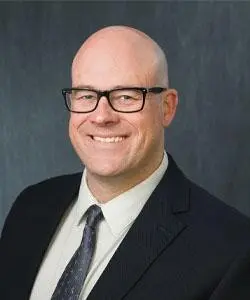
Christopher Bowe, MD, FACEP
President
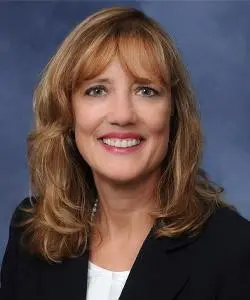
Kristin Anthony, RNC, MSN, NEA-BC
VP & Chief Nursing Officer
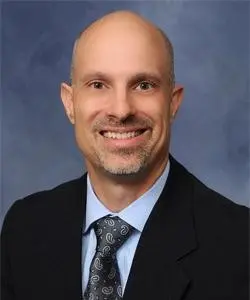
Joe Grant
COO
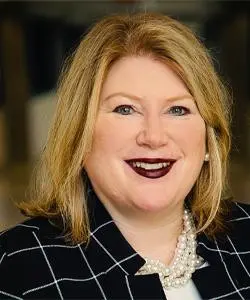
Casey Maloney, SPHR, SHRM-SCP
Director and Human Resources
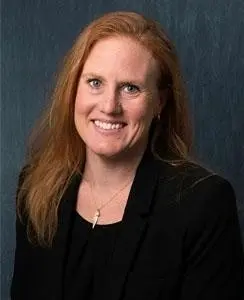
Maureen Perdue, DO
Chief Medical Officer

Michael Perry
CFO
Rehab.com regularly reviews this listing for accuracy but changes may occur between updates. For the most up-to-date information, please contact Mid Coast Hospital Behavioral Health.
Contact Information


123 Medical Center Drive
Brunswick, ME 04011
Sponsored Helpline



