





























































































We had a terrible experience with preferred. Not only was the Physicians Assistant cold and robotic, she could not understand my daughter and asked me to interpret her words. She asked basic questions and never went any deeper to find the reasons behind the answers I gave he ...
About Preferred Behavioral Health Group
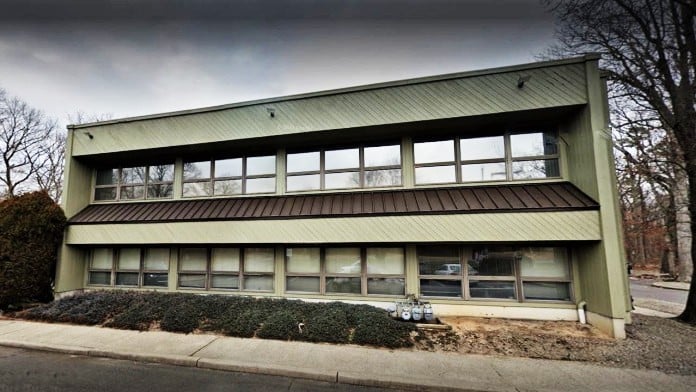
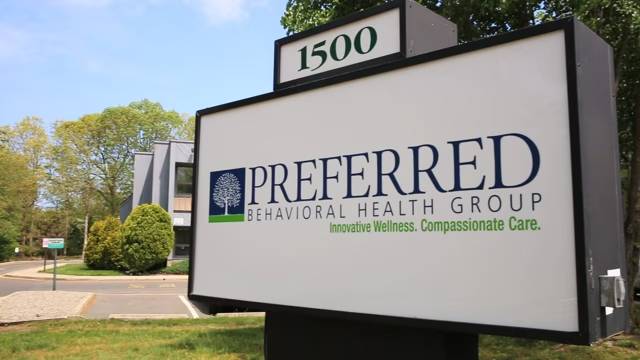
There are actually two programs that are run from this location. One is the Preferred Center for Children and Families which is a counseling center for kids and teens and their families. The other program though is a very unique one called Healing at Home.
Healing at Home is an in home addiction treatment program. It’s specifically for parents of young kids under age six who are at risk of being removed from the home due to the parent’s substance abuse. This treatment program is intensive and its goal is to both help the parent on their recovery journey and make the home a safe and healthy environment so the kids can stay in the home. They do that by providing direct addiction treatment along with family support services.
The treatment providers will actually come to your home for your treatment. The program typically lasts between six months and a year. Throughout that time you’ll get customized treatment that is tailored to your needs. Clients find the therapists here to be very helpful, although they do say there are sometimes issues with follow through from the administration.
Latest Reviews
It took a little bit with my insurance provider to find a decent facility to help with my psychological shortcomings, then I was paired with Preferred. Once there, it took a bit to be paired with a therapist who I was really able to relate with. That said, my therapist has been a great Blessing, and really cares.
After asking a few well pointed questions, I found out that they have a job placement service as well. The person I've been paired with genuinely cares as well, and is trying her damndest to find me a job where my skillset and knowledge would be best used. I'm very Blessed to be in such good hands.
I went to bright harbor healthcare for years for my daughter ( I go there for myself also and I love my therapist) however her experience was sub par and I have some HUGE reservations with her last therapist especially because she tried to talk my daughter into taking HRT behind my my back which she didn’t even want them. I took them out and switched her to preferred and now she sees Megan and WOW she is doing so much better she’s so much more communicative and open her behavior has drastically changed and I feel like I’ve got my child back. I recommend them to anyone that sees that their child is going through a rough time. I even put my seven year old in therapy there for aggressive behavior issues I was convinced she had ODD but a few months of seeing Alex and she is a different person no more freak outs I owe this place the world HIGHLY RECOMMEND
Response from the owner3 weeks ago
We appreciate your shared experiences, Niki. We're glad to hear of the positive improvements Megan and Alex have made to your family's wellbeing. Thank you for recommending us, and for placing your trust in us with your family.
Mi experiencia fue buena las personas que trabajan ahí son muy amables especialmente la recepcionista y la psiquiatra alison y mari que son excelentes personas ami y a mi hija nos tratan muy bien 👍
Response from the owner3 weeks ago
¡Gracias por tu excelente reseña! Nos alegra saber que tuviste una experiencia tan positiva con nosotros. Tu satisfacción y bienestar son nuestra máxima prioridad y agradecemos tu apoyo. 
Rehab Score
 Our Methodology
Scoring is assigned by a proprietary system which helps surface key metrics that determine quality. The 10-point scale factors in categories such as operations, customer satisfaction, and trust metrics. Read Full Methodology

7.9 / 10
Gallery
Accepted Insurance

Clover Health
Geisinger
Health Integrated
Horizon Blue Cross Blue Shield
Qualcare
Other Forms of Payment
Private insurance refers to any kind of healthcare coverage that isn't from the state or federal government. This includes individual and family plans offered by an employer or purchased from the Insurance Marketplace. Every plan will have different requirements and out of pocket costs so be sure to get the full details before you start treatment.
Self-pay involves paying for treatment out of your own pocket. You can use savings or credit, get a personal loan, or receive help from family and friends to fund your treatment. If you don't have insurance or your insurance plan doesn't cover a specific program, self-pay can help ensure you still get the care you need.
Financial aid can take many forms. Centers may have grants or scholarships available to clients who meet eligibility requirements. Programs that receive SAMHSA grants may have financial aid available for those who need treatment as well. Grants and scholarships can help you pai for treatment without having to repay.
Sliding scale payments are based on a client's income and family size. The goal is to make treatment affordable to everyone. By taking these factors into account, addiction recovery care providers help ensure that your treatment does not become a financial burden to you or your family, eliminating one barrier to care.
Medicare is a federal program that provides health insurance for those 65 and older. It also serves people under 65 with chronic and disabling health challenges. To use Medicare for addiction treatment you need to find a program that accepts Medicare and is in network with your plan. Out of pocket costs and preauthorization requirements vary, so always check with your provider.
Military members, veterans, and eligible dependents have access to specific insurance programs that help them get the care they need. TRICARE and VA insurance can help you access low cost or no cost addiction and mental health treatment. Programs that accept military insurance often have targeted treatment focused on the unique challenges military members, veterans, and their families face.
Medicaid is a state based program that helps lower-income individuals and families pay for healthcare. Medicaid covers addiction treatment so those enrolled can use their coverage to pay for rehab. When a program accepts Medicaid the client often pays very little or nothing out of their own pocket.
Addiction Treatments
Levels of Care
Outpatient Programs (OP) are for those seeking mental rehab or drug rehab, but who also stay at home every night. The main difference between outpatient treatment (OP) and intensive outpatient treatment (IOP) lies in the amount of hours the patient spends at the facility. Most of the time an outpatient program is designed for someone who has completed an inpatient stay and is looking to continue their growth in recovery. Outpatient is not meant to be the starting point, it is commonly referred to as aftercare.
Clients often enter inpatient rehab following detox, but they may also enroll during early recovery or at an increased risk of relapse. Inpatient rehabs provide housing, meals, and intensive clinical supervision, allowing clients to focus exclusively on their recovery in a highly structured and supportive environment. Clients typically receive multiple individual, group, and/or family therapy sessions weekly. Many programs also offer extensive addiction education and recovery-focused life skills training. Integrative inpatient rehabs provide holistic therapies as well.
Clients in a rehab aftercare program have typically completed detox and intensive inpatient and are medically stable. These programs are designed to address addiction recovery as a life-long process. Outpatient counseling and recovery education are typically categorized as drug rehab aftercare, but many clients continue to receive support after being discharged from formal outpatient treatment. Case managers and recovery teams facilitate clients' access to peer coaching, career counseling, 12 step program induction, and related services.
Intervention services helps family or friends of addicts stage an intervention, which is a meeting in which loved ones share their concerns and attempt to get an addict into treatment. Professional intervention specialists can help loved ones organize, gather, and communicate with an addict. They can guide intervention participants in describing the damage the addict's behavior is causing and that outside help is necessary to address the addiction. The ideal outcome of an intervention is for the addict to go to rehab and get the help they need.
A partial hospitalization program (PHP) is a short-term, intensive outpatient option designed for those with moderate to severe addictions who don't require 24-hour care. PHP treatment is often fully covered by insurance and provides structured programming (i.e. individual and group therapy). A typical partial hospitalization program can meet 3-5 days a week for a minimum of 20 hours, offering intensive treatment during the day while allowing you to return home after. PHP treatment duration can vary based on your progress but averages 90 days.
Treatments
The goal of treatment for alcoholism is abstinence. Those with poor social support, poor motivation, or psychiatric disorders tend to relapse within a few years of treatment. For these people, success is measured by longer periods of abstinence, reduced use of alcohol, better health, and improved social functioning. Recovery and Maintenance are usually based on 12 step programs and AA meetings.
Drug rehab in New Jersey is the process of addressing the complex issues involved with addiction. Challenges are identified and addressed through individual and group counseling. Participants learn how to manage these issues without the use of substances.
Many of those suffering from addiction also suffer from mental or emotional illnesses like schizophrenia, bipolar disorder, depression, or anxiety disorders. Rehab and other substance abuse facilities treating those with a dual diagnosis or co-occurring disorder administer psychiatric treatment to address the person's mental health issue in addition to drug and alcohol rehabilitation.
A combined mental health and substance abuse rehab has the staff and resources available to handle individuals with both mental health and substance abuse issues. It can be challenging to determine where a specific symptom stems from (a mental health issue or an issue related to substance abuse), so mental health and substance abuse professionals are helpful in detangling symptoms and keeping treatment on track.
Opioid rehabs specialize in supporting those recovering from opioid addiction. They treat those suffering from addiction to illegal opioids like heroin, as well as prescription drugs like oxycodone. These centers typically combine both physical as well as mental and emotional support to help stop addiction. Physical support often includes medical detox and subsequent medical support (including medication), and mental support includes in-depth therapy to address the underlying causes of addiction.
Programs
Adult rehab programs include therapies tailored to each client's specific needs, goals, and recovery progress. They are tailored to the specific challenges adult clients may face, including family and work pressures and commitments. From inpatient and residential treatment to various levels of outpatient services, there are many options available. Some facilities also help adults work through co-occurring conditions, like anxiety, that can accompany addiction.
Young adulthood can be an exciting, yet difficult, time of transition. Individuals in their late teens to mid-20s face unique stressors related to school, jobs, families, and social circles, which can lead to a rise in substance use. Rehab centers with dedicated young adult programs will include activities and amenities that cater to this age group, with an emphasis on specialized counseling, peer socialization, and ongoing aftercare.
Recovery is most successful when clients feel accepted and validated by their peers and treatment providers. Facilities that offer LGBTQ-inclusive programming are committed to creating a safe space where everyone can grow and recover without fear of judgment or discrimination. They will have dedicated policies in place to create a safe and supportive environment that fosters free expression.
Clinical Services
Cognitive Behavioral Therapy (CBT) is a therapy modality that focuses on the relationship between one's thoughts, feelings, and behaviors. It is used to establish and allow for healthy responses to thoughts and feelings (instead of unhealthy responses, like using drugs or alcohol). CBT has been proven effective for recovering addicts of all kinds, and is used to strengthen a patient's own self-awareness and ability to self-regulate. CBT allows individuals to monitor their own emotional state, become more adept at communicating with others, and manage stress without needing to engage in substance abuse.
Dialectical means opposing. The premise of dialectical behavior therapy is to learn how two things that seem to be opposite can actually be true. You learn how to accept yourself while also making changes. The focus is on accepting your emotions and changing how you manage them.
Group therapy is any therapeutic work that happens in a group (not one-on-one). There are a number of different group therapy modalities, including support groups, experiential therapy, psycho-education, and more. Group therapy involves treatment as well as processing interaction between group members.
In individual therapy, a patient meets one-on-one with a trained psychologist or counselor. Therapy is a pivotal part of effective substance abuse treatment, as it often covers root causes of addiction, including challenges faced by the patient in their social, family, and work/school life.
Trauma therapy addresses traumatic incidents from a client's past that are likely affecting their present-day experience. Trauma is often one of the primary triggers and potential causes of addiction, and can stem from child sexual abuse, domestic violence, having a parent with a mental illness, losing one or both parents at a young age, teenage or adult sexual assault, or any number of other factors. The purpose of trauma therapy is to allow a patient to process trauma and move through and past it, with the help of trained and compassionate mental health professionals.
Most experts in couples therapy are trained in several modes of treatment. This allows your therapist to draw from various techniques to personalize your therapy for your needs. This may include cognitive, emotional, and behavioral methods, which are all designed to help you strengthen your relationship.
Research clearly demonstrates that recovery is far more successful and sustainable when loved ones like family members participate in rehab and substance abuse treatment. Genetic factors may be at play when it comes to drug and alcohol addiction, as well as mental health issues. Family dynamics often play a critical role in addiction triggers, and if properly educated, family members can be a strong source of support when it comes to rehabilitation.
Life skills trainings involve all the skills a person must have in order to function successfully in the world. These include time management, career guidance, money management, and effective communication. Truly successful addiction recovery is based on the ability to not only live substance-free, but to thrive. Life skills teaches the practical necessities of functioning in society, which sets clients up for success in life, and therefore sobriety.
Recreational therapy is a dynamic approach to addiction treatment in New Jersey. It integrates activities like music therapy, team sports, and gardening so you have a therapeutic outlet for your emotions and stress. This improves your physical and mental health and helps you develop new skills to support a sober lifestyle.
Creativity is inherently healing, and can help those in recovery express thoughts or feelings they might not otherwise be able to. Creative arts therapy can include music, poetry/writing, painting, sculpting, dance, theater, sandplay, and more. Unlike traditional art, the final product matters far less than the experience of creation and expression itself.
Experiential therapy is a form of therapy in which clients are encouraged to surface and work through subconscious issues by engaging in real-time experiences. Experiential therapy departs from traditional talk therapy by involving the body, and having clients engage in activities, movements, and physical and emotional expression. This can involve role-play or using props (which can include other people). Experiential therapy can help people process trauma, memories, and emotion quickly, deeply, and in a lasting fashion, leading to substantial and impactful healing.
Amenities
-
 Gym
Gym -
 Residential Setting
 -
 Private Rooms
 -
 Hiking
Staff & Accreditations
Staff
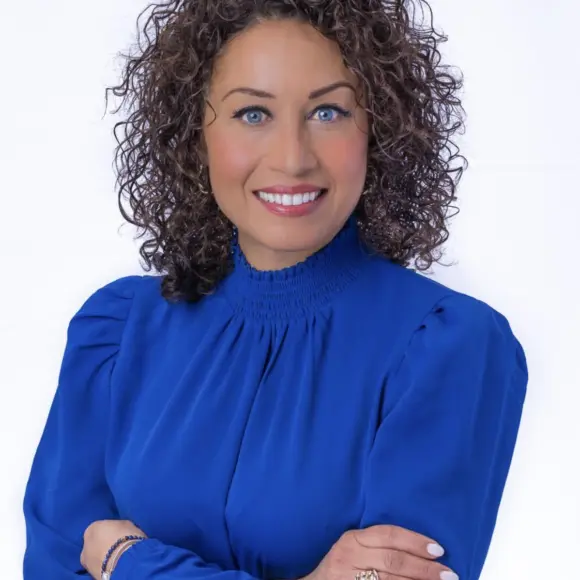
Tara A. Chalakani, PsyD
CEO
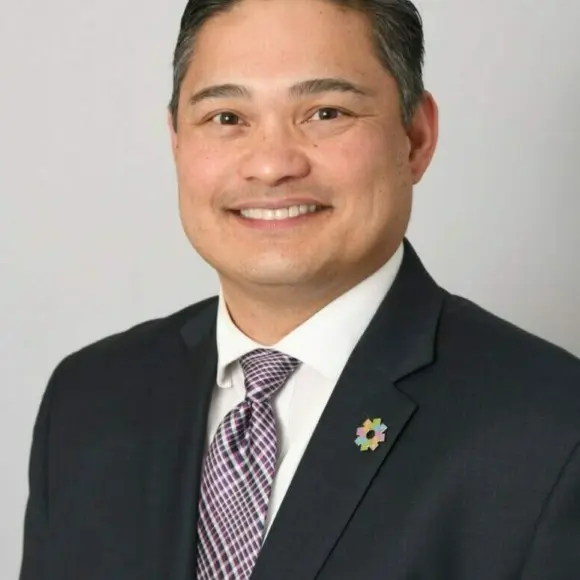
Eric C. Alcera, MD
Chief Medical Officer
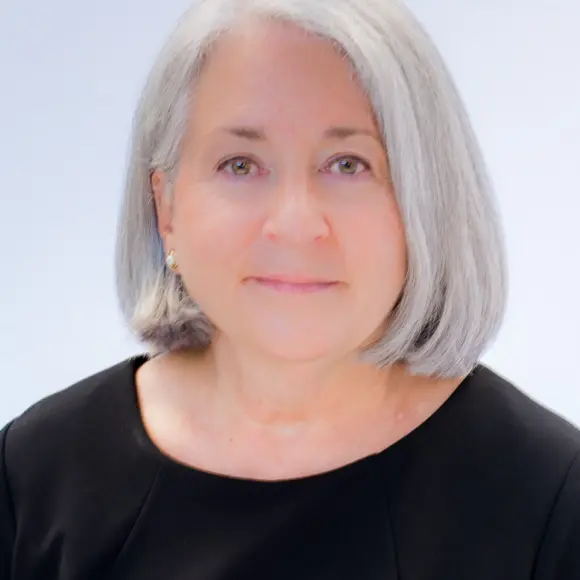
Julie Vanore, MPA
COO
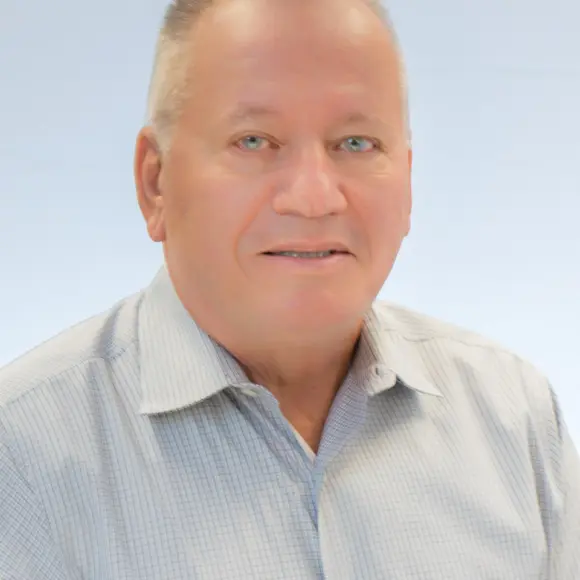
Peter Kisylia, MBA, CPA
CFO

Michelle Hague, MSW, LCSW, LCADC
VP of Quality & Health Integration

Laura Messina, MSW, LCSW, LCADC
VP of Adult Services
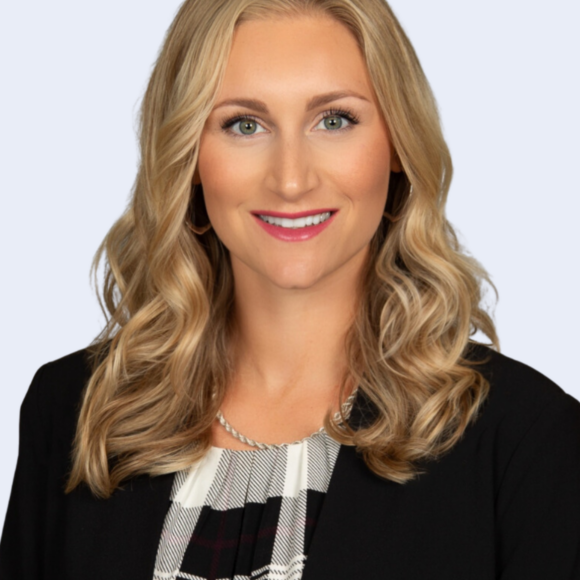
Valerie Ortense, MBA
VP of Strategic Development
Accreditations

The Substance Abuse and Mental Health Services Administration (SAMHSA) is a branch of the U.S. Department of Health and Human Services. Established in 1992 by congress, SAMHSA's mission is to reduce the impact of substance abuse and mental illness on American's communities.
SAMHSA Listed: Yes

The Commission on Accreditation of Rehabilitation Facilities (CARF) is a non-profit organization that specifically accredits rehab organizations. Founded in 1966, CARF's, mission is to help service providers like rehab facilities maintain high standards of care.
CARF Accreditation: Yes
Rehab.com regularly reviews this listing for accuracy but changes may occur between updates. For the most up-to-date information, please contact Preferred Behavioral Health Group.
Contact Information

1500 NJ-88
Brick Township, NJ 08724
Get Help Now - 609-493-0698
Sponsored Helpline
Sponsored Helpline



