






























































































Project ADAM saved my life. the staff treated me as if I was the only person in the room. Professional,polite,and helpful
About Project ADAM
Pine Rest Christian Mental Health Services offers a wide variety of treatment services, including:
Inpatient
24/7 care and monitoring is provided to individuals who need a high level of care. Individual therapy, group therapy, and psycho-educational classes are offered. Clients also have access to medication management, psychiatric support, and mental health treatment.
Partial Hospitalization
This program is for those who need a high level of care but who do not need to remain inpatient. Clients meet throughout the week, but return home in the evening. Individual therapy, group therapy, family therapy, and psycho-educational classes are provided.
Outpatient
Clients focus on recovery maintenance and mental health and wellness. Individual therapy, group therapy, family therapy, and self-help groups are offered.
Medication Assisted Treatment
This program uses FDA-approved medications in conjunction with mental health treatment. By focusing on the root cause of the addictive tendencies, clients learn their triggers and effective ways to manage them. As treatment progresses, clients will be tapered off the medications.
Facility Overview
 39
39 Number of Available Beds
 91+
91+ Avg Length of Stay in Days
Latest Reviews
Great place to heal and rabab. Mike mcdonald is always helpful and don't know where this guy finds the time for himself or for family. Thanks for the 5 star help
This place literally saved my life. Mike McDonald is an amazing individual and does everything he can to help his patients. I owe everything I have in my life today to the people at Project Adam.
Mike and Gina is God sent. all the facilitators here very caring and helpful. thanks drug court and judge Crawford.

Rehab Score
 Our Methodology
Scoring is assigned by a proprietary system which helps surface key metrics that determine quality. The 10-point scale factors in categories such as operations, customer satisfaction, and trust metrics. Read Full Methodology

6.9 / 10
Gallery
Other Forms of Payment
Private insurance refers to any kind of healthcare coverage that isn't from the state or federal government. This includes individual and family plans offered by an employer or purchased from the Insurance Marketplace. Every plan will have different requirements and out of pocket costs so be sure to get the full details before you start treatment.
Self-pay involves paying for treatment out of your own pocket. You can use savings or credit, get a personal loan, or receive help from family and friends to fund your treatment. If you don't have insurance or your insurance plan doesn't cover a specific program, self-pay can help ensure you still get the care you need.
Medicaid is a state based program that helps lower-income individuals and families pay for healthcare. Medicaid covers addiction treatment so those enrolled can use their coverage to pay for rehab. When a program accepts Medicaid the client often pays very little or nothing out of their own pocket.
Addiction Treatments
Levels of Care
Project ADAM is CARF certified to provide ASAM Level I treatment to assist individuals in overcoming problems related to chemical dependency. The therapeutic group setting assists individuals in understanding and combating the effects of substance abuse. Outpatient services include Adult and Adolescent treatment, their risk reduction program, and Drug Court for the Piedmont Judicial Circuit Drug Court program. Treatment session days and times vary.
Drug and alcohol addiction often takes a heavy toll on one's body. Over time, a physical dependence can develop, meaning the body physiologically needs the substance to function. Detox is the process of removing drugs and/or alcohol from the body, a process that can be lethal if mismanaged. Medical detox is done by licensed medical professionals who monitor vital signs and keep you safe, healthy, and as comfortable as possible as you go through detox and withdrawal.
Project ADAM provides intensive outpatient treatment services to the Piedmont Judicial Circuit’s Felony Drug Court. The mission of drug court is to eliminate the cycle of drug abuse and related criminal activity by offering treatment options to repeat criminal offenders, who suffer from chemical dependency. Project ADAM provides evaluations, drug testing, intensive, four-phase outpatient treatment, which lasts from 18 to 24 months, and case management to individuals identified through the Piedmont Judicial Circuit’s Felony Drug Court. The progress of individual cases are strictly monitored at weekly case management meetings, attended by the Piedmont Judicial Drug Court judge, a representative from the district attorney’s office, probation officer, drug court treatment director, treatment providers, and the case manager.
Project ADAM is CARF certified to provide ASAM Level III.I residential treatment to any male age 19 or older who is seeking help for overcoming a substance abuse problem or is court-ordered to one year of residential treatment. Their residential treatment program is a minimum of 12 months and includes group/individual therapy, family therapy, trauma therapy, anger management, Moral Reconation Therapy, support group meetings, job coaching, budgeting, relapse prevention planning and transition to independent living. Clients must call for an initial interview or fill out our online questionnaire. Based on eligibility and bed space, we will contact you with further instructions. Project ADAM combines principles used in such groups as Alcoholics Anonymous with Christian-based individual and group therapy. Every opportunity to assist each individual’s recovery is explored, including vocational and educational guidance. The program provides lodging, meals, utilities, transportation to scheduled events, as well as group and individual counseling, at a minimal cost. Residents are expected to maintain sobriety and obtain employment while participating in a structured program.
12-step programs are addiction recovery models based on Alcoholics Anonymous (AA). A number of substance abuse programs (including some drug and alcohol rehab centers) use the 12 steps as a basis for treatment. Beginning steps involve admitting powerlessness over the addiction and creating a spiritual basis for recovery. Middle steps including making direct amends to those who've been hurt by the addiction, and the final step is to assist others in addiction recovery in the same way. 12-Step offshoots including Narcotics Anonymous (NA), Cocaine Anonymous (CA), Dual Recovery Anonymous (DRA), Sex and Love Addicts Anonymous (SLAA) and Gamblers Anonymous (GA).
Completing a drug or alcohol rehab program shouldn't spell the end of substance abuse treatment. Aftercare involves making a sustainable plan for recovery, including ongoing support. This can include sober living arrangements like halfway houses, career counseling, and setting a patient up with community programs like Alcoholics Anonymous (AA) or Narcotics Anonymous (NA).
Treatments
The goal of treatment for alcoholism is abstinence. Those with poor social support, poor motivation, or psychiatric disorders tend to relapse within a few years of treatment. For these people, success is measured by longer periods of abstinence, reduced use of alcohol, better health, and improved social functioning. Recovery and Maintenance are usually based on 12 step programs and AA meetings.
A quality drug rehab in Georgia can help you overcome addiction. This environment is designed to help you address the complex issues contributing to drug dependence. The goal of treatment is to give you the tools you need to make a full recovery.
Substance rehabs focus on helping individuals recover from substance abuse, including alcohol and drug addiction (both illegal and prescription drugs). They often include the opportunity to engage in both individual as well as group therapy.
Programs
Adult rehab programs include therapies tailored to each client's specific needs, goals, and recovery progress. They are tailored to the specific challenges adult clients may face, including family and work pressures and commitments. From inpatient and residential treatment to various levels of outpatient services, there are many options available. Some facilities also help adults work through co-occurring conditions, like anxiety, that can accompany addiction.
Young adulthood can be an exciting, yet difficult, time of transition. Individuals in their late teens to mid-20s face unique stressors related to school, jobs, families, and social circles, which can lead to a rise in substance use. Rehab centers with dedicated young adult programs will include activities and amenities that cater to this age group, with an emphasis on specialized counseling, peer socialization, and ongoing aftercare.
Clinical Services
Cognitive Behavioral Therapy (CBT) is a therapy modality that focuses on the relationship between one's thoughts, feelings, and behaviors. It is used to establish and allow for healthy responses to thoughts and feelings (instead of unhealthy responses, like using drugs or alcohol). CBT has been proven effective for recovering addicts of all kinds, and is used to strengthen a patient's own self-awareness and ability to self-regulate. CBT allows individuals to monitor their own emotional state, become more adept at communicating with others, and manage stress without needing to engage in substance abuse.
Creativity is inherently healing, and can help those in recovery express thoughts or feelings they might not otherwise be able to. Creative arts therapy can include music, poetry/writing, painting, sculpting, dance, theater, sandplay, and more. Unlike traditional art, the final product matters far less than the experience of creation and expression itself.
Research clearly demonstrates that recovery is far more successful and sustainable when loved ones like family members participate in rehab and substance abuse treatment. Genetic factors may be at play when it comes to drug and alcohol addiction, as well as mental health issues. Family dynamics often play a critical role in addiction triggers, and if properly educated, family members can be a strong source of support when it comes to rehabilitation.
Group therapy is any therapeutic work that happens in a group (not one-on-one). There are a number of different group therapy modalities, including support groups, experiential therapy, psycho-education, and more. Group therapy involves treatment as well as processing interaction between group members.
In individual therapy, a patient meets one-on-one with a trained psychologist or counselor. Therapy is a pivotal part of effective substance abuse treatment, as it often covers root causes of addiction, including challenges faced by the patient in their social, family, and work/school life.
Life skills trainings involve all the skills a person must have in order to function successfully in the world. These include time management, career guidance, money management, and effective communication. Truly successful addiction recovery is based on the ability to not only live substance-free, but to thrive. Life skills teaches the practical necessities of functioning in society, which sets clients up for success in life, and therefore sobriety. Residents have access to vocational rehabilitation services, literacy training, financial counseling, GED classes and Aftercare meetings. Residents are also encouraged to participate in various volunteer and philanthropic activities.
Trauma therapy addresses traumatic incidents from a client's past that are likely affecting their present-day experience. Trauma is often one of the primary triggers and potential causes of addiction, and can stem from child sexual abuse, domestic violence, having a parent with a mental illness, losing one or both parents at a young age, teenage or adult sexual assault, or any number of other factors. The purpose of trauma therapy is to allow a patient to process trauma and move through and past it, with the help of trained and compassionate mental health professionals.
Amenities
-
 Residential Setting
Staff & Accreditations
Staff
Michael McDonald
Clinical Supervisor
Gina McDonald
ED
Accreditations

The Commission on Accreditation of Rehabilitation Facilities (CARF) is a non-profit organization that specifically accredits rehab organizations. Founded in 1966, CARF's, mission is to help service providers like rehab facilities maintain high standards of care.
CARF Accreditation: Yes
Rehab.com regularly reviews this listing for accuracy but changes may occur between updates. For the most up-to-date information, please contact Project ADAM.
Contact Information

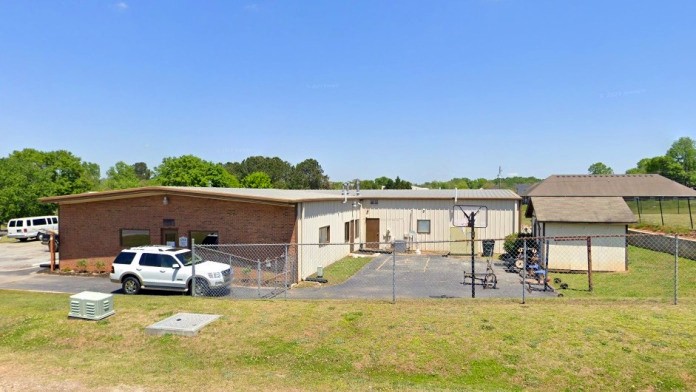
112 Lanthier Street
Winder, GA 30680
Get Help Now - 470-866-4553
Sponsored Helpline
Sponsored Helpline


