






























































































It felt like a big family I miss all my friends it was a great experience I had a great time getting up and going to the club and seeing every one there I enjoyed my club house with my big family. I miss everyone .
About The Reality Counseling Services
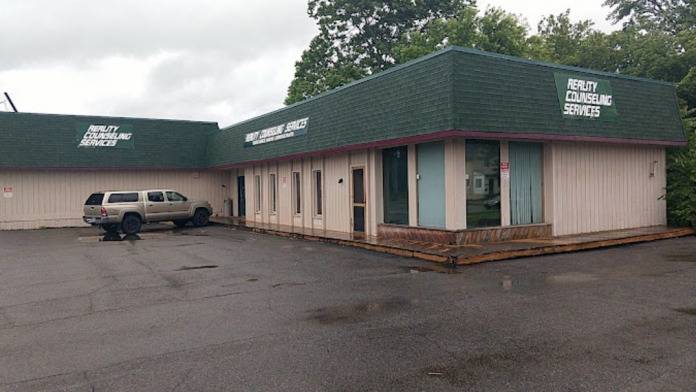
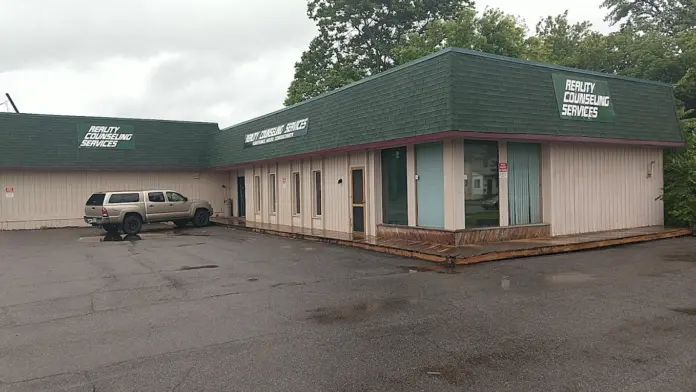
Located in Lansing, Michigan, The Reality Counseling Services provides outpatient treatment to individuals with substance use disorders. They accept private pay clients and staff are available to discuss payment options and financial arrangements. The facility is easily accessible and offers convenient parking on site.
Services for Court Ordered Clients and Families
Treatment is culturally sensitive, addressing the needs of clients from diverse backgrounds. Services are designed for adults and adolescents. Court ordered clients are accepted here, including DUI/DWI offenders. Family participation is encouraged where appropriate.
Continuing Aftercare Support
Personalized, collaborative treatment is delivered through their outpatient and intensive outpatient programs. I appreciate that there’s a focus on building self esteem, personal responsibility, and life management skills.
Comprehensive assessments provide individualized recovery plans, involving education, relapse prevention planning, coping skills development, and aftercare services. There’s an emphasis on continuing support to encourage an ongoing commitment to recovery.
Practical Tools and Life Skills
I found positive reviews of the facility with former clients highlighting the supportive, empathetic, and knowledgeable staff. They praise the nonjudgmental environment as well as the focus on personal growth and accountability. Several cite the practical tools and life skills gained as having helped them on their recovery journey.
Latest Reviews
Angela Osiecki
Reviewed on 02/13/2025
It felt like a big family I miss all my friends it was a great experience I had a great time getting up and going to the club and seeing every one there I enjoyed my club house with my big family. I miss everyone .
I feel for the most part all the staff are pretty laid back, I get along with all of them, it seems pretty professional to me! Of course I hate that I have to drug test twice a week and do the groups and one on one meetings because it really messes with my job and I lose a lot of hrs every week but I put myself in the position that I'm in so no one to blame but myself. It would be nice if they could work around your job schedule better when it comes to groups and the one on one meetings! That's my only complaint!!
Nice people I have had no bad experiences

Rehab Score
 Our Methodology
Scoring is assigned by a proprietary system which helps surface key metrics that determine quality. The 10-point scale factors in categories such as operations, customer satisfaction, and trust metrics. Read Full Methodology

5.7 / 10
Gallery
Other Forms of Payment
Self-pay involves paying for treatment out of your own pocket. You can use savings or credit, get a personal loan, or receive help from family and friends to fund your treatment. If you don't have insurance or your insurance plan doesn't cover a specific program, self-pay can help ensure you still get the care you need.
Addiction Treatments
Levels of Care
Outpatient programs are for those seeking mental rehab or drug rehab, but who also stay at home every night. The main difference between outpatient treatment (OP) and intensive outpatient treatment (IOP) lies in the amount of hours the patient spends at the facility. Most of the time an outpatient program is designed for someone who has completed an inpatient stay and is looking to continue their growth in recovery. Outpatient is not meant to be the starting point, it is commonly referred to as aftercare. They offer an eight weeks program. During the first four weeks they arrange group meetings twice a week, and for the last four weeks, an individual session is required weekly
Clients in inpatient rehab reside at the treatment facility while engaging in intensive daily treatment. Inpatient care is primarily designed for clients leaving detox, those in early recovery, and those at an elevated risk of relapse. Clients participate in intensive addiction counseling, which may include group and family therapy as well as one-on-one sessions. Recovery-focused life skills training is also often prioritized. Many inpatient rehabs offer evidence-based complementary therapies, such as yoga, meditation, art therapy, and animal therapy.
Clients engaged in a rehab aftercare program have already completed high-level treatment and have begun to develop essential recovery skills. Rehab aftercare services are designed to support clients' sustained sobriety as they reintegrate into their home, workplace, and community. Case managers, care teams, and clients design the customized service portfolio that will best support the client's long-term sobriety. Clients may receive peer coaching, 12 step program induction, vocational training, and relapse prevention services.
Treatments
The goal of treatment for alcoholism is abstinence. Those with poor social support, poor motivation, or psychiatric disorders tend to relapse within a few years of treatment. For these people, success is measured by longer periods of abstinence, reduced use of alcohol, better health, and improved social functioning. Recovery and Maintenance are usually based on 12 step programs and AA meetings.
Drug rehab in Michigan provides personalized treatment to help individuals break this cycle and regain control of their lives. Treatment methods are used in various levels of care, including inpatient rehab, partial hospitalization programs, intensive outpatient programs, and standard outpatient treatment.
Opioid rehabs specialize in supporting those recovering from opioid addiction. They treat those suffering from addiction to illegal opioids like heroin, as well as prescription drugs like oxycodone. These centers typically combine both physical as well as mental and emotional support to help stop addiction. Physical support often includes medical detox and subsequent medical support (including medication), and mental support includes in-depth therapy to address the underlying causes of addiction.
Substance rehabs focus on helping individuals recover from substance abuse, including alcohol and drug addiction (both illegal and prescription drugs). They often include the opportunity to engage in both individual as well as group therapy.
Programs
Adult rehab programs include therapies tailored to each client's specific needs, goals, and recovery progress. They are tailored to the specific challenges adult clients may face, including family and work pressures and commitments. From inpatient and residential treatment to various levels of outpatient services, there are many options available. Some facilities also help adults work through co-occurring conditions, like anxiety, that can accompany addiction.
Serving in the military is both mentally and physically challenging, and can result in trauma that persists even after combat ends. Military programs are tailored to the specific and often complex needs of active duty personnel, veterans, and military families. Clients often access these programs through the U.S. Department of Veterans Affairs (VA).
Clinical Services
Cognitive behavioral therapy in Michigan helps participants view challenges more clearly so they can respond to them in healthy ways. During a limited number of structured sessions, clients learn about and practice these changes to effectively address substance use and mental health disorders.
Group therapy is any therapeutic work that happens in a group (not one-on-one). There are a number of different group therapy modalities, including support groups, experiential therapy, psycho-education, and more. Group therapy involves treatment as well as processing interaction between group members.
In individual therapy, a patient meets one-on-one with a trained psychologist or counselor. Therapy is a pivotal part of effective substance abuse treatment, as it often covers root causes of addiction, including challenges faced by the patient in their social, family, and work/school life.
Research clearly demonstrates that recovery is far more successful and sustainable when loved ones like family members participate in rehab and substance abuse treatment. Genetic factors may be at play when it comes to drug and alcohol addiction, as well as mental health issues. Family dynamics often play a critical role in addiction triggers, and if properly educated, family members can be a strong source of support when it comes to rehabilitation.
Life skills trainings involve all the skills a person must have in order to function successfully in the world. These include time management, career guidance, money management, and effective communication. Truly successful addiction recovery is based on the ability to not only live substance-free, but to thrive. Life skills teaches the practical necessities of functioning in society, which sets clients up for success in life, and therefore sobriety.
Amenities
-
 Residential Setting
 -
 Private Setting
Staff & Accreditations
Staff
Brenda Rayle
Director & Co-owner
Accreditations

The Substance Abuse and Mental Health Services Administration (SAMHSA) is a branch of the U.S. Department of Health and Human Services. Established in 1992 by congress, SAMHSA's mission is to reduce the impact of substance abuse and mental illness on American's communities.
SAMHSA Listed: Yes

State Licenses are permits issued by government agencies that allow rehab organizations to conduct business legally within a certain geographical area. Typically, the kind of program a rehab facility offers, along with its physical location, determines which licenses are required to operate legally.
State License: Michigan
Rehab.com regularly reviews this listing for accuracy but changes may occur between updates. For the most up-to-date information, please contact The Reality Counseling Services.
Contact Information

610 East Grand River Avenue
Lansing MI, 48906
Get Help Now - 517-234-5413
Sponsored Helpline
Sponsored Helpline


