






























































































Horrendous staff that are completely under qualified, and possesses no empathy whatsoever for the addicts attempting to help themselves. The counselors are a joke. I would expect that an addiction counselor would have a better education than I have, but that’s asking a bit ...
About Recovery Place
With medical detox, residential rehab and various outpatient programs, you can find care that works best for your situation. Their programs use treatment best practices and specialized approaches to help you reach your recovery goals. Depending on your situation your personalized treatment plan could include individual counseling, group therapy, addiction education, 12-Step programming and more.
Additionally in-person and virtual services are available. That way you can fit treatment into your daily life in the best way possible.
One standout feature I noticed was that they have gender specific programs. Their women’s program provides targeted treatment for people who identify as female, pregnant women and mothers with dependent children. The men’s program addresses unique factors that can contribute to addiction in men.
Another incredible asset I found to be outstanding is their Survivors’ Workshop Therapy Program. This program dives deep into core issues, like trauma, childhood abuse and neglect. They strive to help you find the courage to heal from these challenges while providing the tools to build a happier, healthier life.
Many former clients expressed dissatisfaction with their services. Most described poor customer service, issues with staff communication and unprofessionalism. Those who had positive experiences enjoyed their programming and mentioned receiving care that helped them advance in recovery.
As always, finding the best care for you is a personal experience. While reviews from others can help you decide be sure to put yourself first when choosing a facility.
Latest Reviews
I have too give special thanks to Mrs Sandra . From the minute I walked thru those doors, until the minute I left . I always felt I was in good hands . If you have the desire too change and get sober . Then look no further . Help is just inside
This place has saved my life and gave me hope for my Life. Thank you very much to all .
Patient

Rehab Score
 Our Methodology
Scoring is assigned by a proprietary system which helps surface key metrics that determine quality. The 10-point scale factors in categories such as operations, customer satisfaction, and trust metrics. Read Full Methodology

6.8 / 10
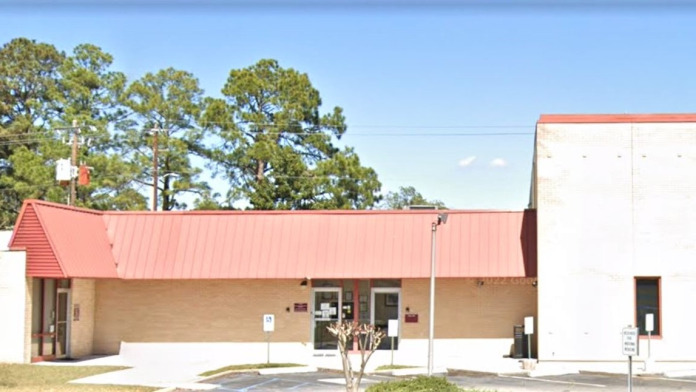
Gallery
Accepted Insurance

Managed Health Network (MHN)
Other Forms of Payment
Medicaid is a state based program that helps lower-income individuals and families pay for healthcare. Medicaid covers addiction treatment so those enrolled can use their coverage to pay for rehab. When a program accepts Medicaid the client often pays very little or nothing out of their own pocket.
Private insurance refers to any kind of healthcare coverage that isn't from the state or federal government. This includes individual and family plans offered by an employer or purchased from the Insurance Marketplace. Every plan will have different requirements and out of pocket costs so be sure to get the full details before you start treatment.
Self-pay involves paying for treatment out of your own pocket. You can use savings or credit, get a personal loan, or receive help from family and friends to fund your treatment. If you don't have insurance or your insurance plan doesn't cover a specific program, self-pay can help ensure you still get the care you need.
Financial aid can take many forms. Centers may have grants or scholarships available to clients who meet eligibility requirements. Programs that receive SAMHSA grants may have financial aid available for those who need treatment as well. Grants and scholarships can help you pai for treatment without having to repay.
Military members, veterans, and eligible dependents have access to specific insurance programs that help them get the care they need. TRICARE and VA insurance can help you access low cost or no cost addiction and mental health treatment. Programs that accept military insurance often have targeted treatment focused on the unique challenges military members, veterans, and their families face.
Addiction Treatments
Levels of Care
Level One Outpatient services require clients to attend regularly scheduled meetings. This level of care allows clients to carry on with their routine while receiving face-to-face services with licensed/certified professionals. Level One care includes evaluation, treatment, and recovery follow-up services. It addresses the severity to of the individual's addiction, helps implement behavioral changes and ameliorates mental functioning. It can be a stepping stone for people who are not ready or willing to commit to a complete recovery program.
Detoxification services are the medical management of the physical withdrawal process from alcohol and/or other drugs in a residential or outpatient program. It is indicated when the individual experiences physiological dysfunction during withdrawal but life or significant bodily functions are not threatened. Residential detoxification services in the center are available to those needing 24-hour support. All clients will be assigned a primary therapist as well as a case manager to assist in linking them with continuing treatment, transportation, and other social service linkage, as well as facilitate their entry into a sober support network such as AA, NA or CA. Recovery Place's treatment philosophy is to develop a Plan of Care which provides services in the least restrictive, most empowering setting. This is an essential consideration for each individual's plan of care. A person who needs detoxification can be admitted to their residential treatment program, with round-the-clock medical supervision or may only require partial hospitalization or day treatment. This empowers individuals by fostering independence. The average length of stay for residential detoxification is five to fourteen days. In addition to medical monitoring, clients will receive group counseling, psycho-education, individual counseling, and case management services.
Recovery Place offers an intensive outpatient program that provides crisis stabilization, education, individual counseling, and group therapy. lOP is provided in a safe, therapeutic environment that allows clients the opportunity to move through a continuum of services at different levels of care.
Recovery Place offers a Level Three gender-specific Residential Program for those in need of an intensive, structured, short-term residential program. Level Three is located in the beautiful historic district of Savannah. Residents live in a condominium downtown that is in close proximity to treatment services and 12-step support meetings. The length of the program is approximately 28 days with transitional services available based upon the client's needs. While in Level Three services, the client is able to focus solely on healing and begin the recovery process. Transportation and meals are provided for clients and all daily living needs are met while in the program.
At certain points in the recovery process, it's important to have support available 24/7. 24-hour clinical care offers a safe environment in which to recover from drug or alcohol addiction in peace, knowing medical detox and other treatment will happen with professionals on hand.
12-step programs are addiction recovery models based on Alcoholics Anonymous (AA). A number of substance abuse programs (including some drug and alcohol rehab centers) use the 12 steps as a basis for treatment. Beginning steps involve admitting powerlessness over the addiction and creating a spiritual basis for recovery. Middle steps including making direct amends to those who've been hurt by the addiction, and the final step is to assist others in addiction recovery in the same way. 12-Step offshoots including Narcotics Anonymous (NA), Cocaine Anonymous (CA), Dual Recovery Anonymous (DRA), Sex and Love Addicts Anonymous (SLAA) and Gamblers Anonymous (GA).
Completing a drug or alcohol rehab program shouldn't spell the end of substance abuse treatment. Aftercare involves making a sustainable plan for recovery, including ongoing support. This can include sober living arrangements like halfway houses, career counseling, and setting a patient up with community programs like Alcoholics Anonymous (AA) or Narcotics Anonymous (NA).
Treatments
The goal of treatment for alcoholism is abstinence. Those with poor social support, poor motivation, or psychiatric disorders tend to relapse within a few years of treatment. For these people, success is measured by longer periods of abstinence, reduced use of alcohol, better health, and improved social functioning. Recovery and Maintenance are usually based on 12 step programs and AA meetings.
A quality drug rehab in Georgia can help you overcome addiction. This environment is designed to help you address the complex issues contributing to drug dependence. The goal of treatment is to give you the tools you need to make a full recovery.
Many of those suffering from addiction also suffer from mental or emotional illnesses like schizophrenia, bipolar disorder, depression, or anxiety disorders. Rehab and other substance abuse facilities treating those with a dual diagnosis or co-occurring disorder administer psychiatric treatment to address the person's mental health issue in addition to drug and alcohol rehabilitation.
Substance rehabs focus on helping individuals recover from substance abuse, including alcohol and drug addiction (both illegal and prescription drugs). They often include the opportunity to engage in both individual as well as group therapy.
Programs
Adult rehab programs include therapies tailored to each client's specific needs, goals, and recovery progress. They are tailored to the specific challenges adult clients may face, including family and work pressures and commitments. From inpatient and residential treatment to various levels of outpatient services, there are many options available. Some facilities also help adults work through co-occurring conditions, like anxiety, that can accompany addiction.
Young adulthood can be an exciting, yet difficult, time of transition. Individuals in their late teens to mid-20s face unique stressors related to school, jobs, families, and social circles, which can lead to a rise in substance use. Rehab centers with dedicated young adult programs will include activities and amenities that cater to this age group, with an emphasis on specialized counseling, peer socialization, and ongoing aftercare.
Clinical Services
Whether a marriage or other committed relationship, an intimate partnership is one of the most important aspects of a person's life. Drug and alcohol addiction affects both members of a couple in deep and meaningful ways, as does rehab and recovery. Couples therapy and other couples-focused treatment programs are significant parts of exploring triggers of addiction, as well as learning how to build healthy patterns to support ongoing sobriety.
Research clearly demonstrates that recovery is far more successful and sustainable when loved ones like family members participate in rehab and substance abuse treatment. Genetic factors may be at play when it comes to drug and alcohol addiction, as well as mental health issues. Family dynamics often play a critical role in addiction triggers, and if properly educated, family members can be a strong source of support when it comes to rehabilitation.
Group therapy is any therapeutic work that happens in a group (not one-on-one). There are a number of different group therapy modalities, including support groups, experiential therapy, psycho-education, and more. Group therapy involves treatment as well as processing interaction between group members.
In individual therapy, a patient meets one-on-one with a trained psychologist or counselor. Therapy is a pivotal part of effective substance abuse treatment, as it often covers root causes of addiction, including challenges faced by the patient in their social, family, and work/school life.
Trauma therapy addresses traumatic incidents from a client's past that are likely affecting their present-day experience. Trauma is often one of the primary triggers and potential causes of addiction, and can stem from child sexual abuse, domestic violence, having a parent with a mental illness, losing one or both parents at a young age, teenage or adult sexual assault, or any number of other factors. The purpose of trauma therapy is to allow a patient to process trauma and move through and past it, with the help of trained and compassionate mental health professionals.
Amenities
-
 Yoga Studio
Staff & Accreditations
Staff
Leslie Backus
CEO
Diane Diver, MBA, CAC II, LCSW
COO/Clinical Director
Josua Rine, LPC, NCC
Program Director Outpatient/Level 3 Services
Megan Wilbur, CAC II, LAPC
Program Director Chatham County DUI Court
Cynthia Harn, RN
Program Director Acute Residential Services
Kascey Ifill, CACII, CCS
Program Director Hinesville Treatment Services
Leslie Lunney, LPC
Program Director Women’s Services
Accreditations

The Commission on Accreditation of Rehabilitation Facilities (CARF) is a non-profit organization that specifically accredits rehab organizations. Founded in 1966, CARF's, mission is to help service providers like rehab facilities maintain high standards of care.
CARF Accreditation: Yes
Rehab.com regularly reviews this listing for accuracy but changes may occur between updates. For the most up-to-date information, please contact Recovery Place.
Contact Information

835 East 65th Street
Suite 104
Savannah, GA 31405
Get Help Now - 912-456-1071
Sponsored Helpline
Sponsored Helpline



