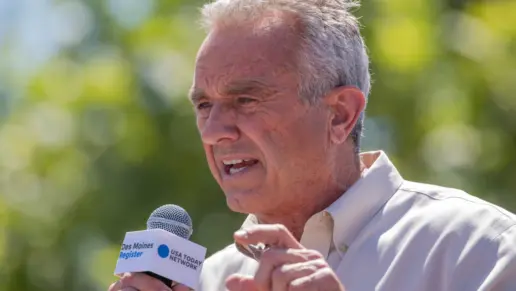
On June 17, U.S. Health and Human Services Secretary Robert F. Kennedy Jr. announced $700 million in new addiction treatment and behavioral health funding during a visit to a community health center in Macomb County, Michigan.
Where the $700 Million Will Go
Speaking at EasterSeals MORC, Kennedy detailed how the money will be split across several programs. The largest portion, $238.6 million, will expand the 988 Suicide and Crisis Lifeline and add follow-up support for callers after their first contact. Another $223.1 million will fund behavioral health clinics and help open new ones.
A new program called STREETS, short for Safety Through Recovery, Engagement, and Evidence-based Treatment and Support, will receive $96 million. It will award up to $3 million a year for four years to eight communities working to connect people who are unhoused with care.
The remaining funds include $80 million for substance use prevention, treatment, and recovery and more than $70 million for mental health services.
Kennedy called the package one of the most significant federal commitments to recovery and behavioral health in decades.
A Shift in Federal Strategy
Kennedy, who is in recovery himself, described addiction as a disease of isolation and said recovery means reconnecting people to community and family. He also noted that faith-based providers will again be eligible for federal funding.
The announcement signals a move away from the prior administration’s focus on harm reduction, such as needle exchanges and supervised consumption sites. Kennedy was critical of that approach but said harm reduction programs are not disappearing entirely.
Asked whether Medicaid changes could affect access to care, Kennedy said only people who are ineligible would lose coverage. Medicaid is a major payer for addiction treatment, so coverage questions matter for many people comparing rehab centers.
How New Funding Connects to Treatment
Money that reaches behavioral health clinics often supports medication-assisted treatment, or MAT, which pairs FDA-approved medications such as buprenorphine or naltrexone with counseling. Expanded clinic funding can widen access to these evidence-based services and to crisis support for people who are not yet in care.
The local provider that hosted the announcement welcomed the investment. Brent Wirth, president and CEO of EasterSeals MORC, said added resources for behavioral health are hard to argue against.
What This Means for Treatment Seekers
For people researching rehab, more federal money for clinics and crisis services could mean more local options and added support over time.
Communities awarded STREETS grants may expand outreach to people who have not yet connected with treatment. Because coverage rules can change, anyone relying on Medicaid insurance should confirm their benefits before enrolling in a program.
Finding the Right Rehab
If you or someone you love is weighing treatment options, a few steps can help:
- Compare local rehab centers by level of care and the substances they treat
- Confirm insurance coverage for addiction treatment, including Medicaid
- Ask whether a program offers medication-assisted treatment for opioid or alcohol use disorder
- Verify a facility’s credentials and accreditations
Rehab.com features a nationwide directory of verified treatment centers. Call
800-985-8516
(  Sponsored Helpline )
to connect with a treatment advisor and learn about your options.
Sponsored Helpline )
to connect with a treatment advisor and learn about your options.