





























































































Riverview Medical Center doctors are the worst. They're incompetent, rude, arrogant, they have very little time for patients, refuse to update families, and are extremely dangerous. The nurses are all of the above in addition to being liars. I discussed these problems ...
About HMH Riverview Medical Center
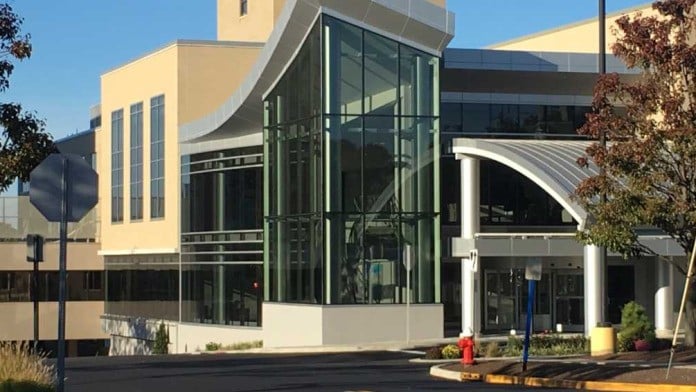
The Riverview Medical Center is located in Red Bank, New Jersey. As one of the best rated inpatient rehabs in New Jersey, this is a hospital facility that provides a variety of health services to children, adults, and families throughout the region. At this medical center, you’ll find a behavioral health department that addresses struggles with mental health and substance use disorder.
Their behavioral health and psychiatry services provide you with round the clock care if you need inpatient support. Outpatient care is also available here, and you can follow up with their aftercare program as well. Offering supportive care, this facility is ranked as the number one provider of addiction treatment services in the state.
Supportive Addiction Treatment
As a comprehensive care hospital facility, the Riverview Medical Center’s Behavioral Health Department will support you with the care you need, regardless of what your addiction struggles are.
They have programs here that address addictions to drugs and alcohol as well as opioid recovery programs that address struggles with fentanyl, heroin, benzodiazepines, and other substances.
Whether you need detox support or wrap around care through structured counseling and outpatient treatment, this center can support you. Medically supervised detox allows you to safely wean off your chemical dependency while outpatient programming can address a dual diagnosis you might have.
Child, Adolescent and Teen Programming
Substance use has unfortunately touched the lives of some of the youngest and most vulnerable individuals throughout New Jersey.
To address this widespread epidemic, there are programs specifically tailored for children, adolescents, and teens. Along with addiction treatment, there are educational support services that empower families to work on recovery goals that will help their child succeed.
Latest Reviews
I went to the ER very early this morning. At my age of 77, hospitals are very scary places!! Let me tell you, the people who work in the ER at Riverview are amazingly kind compassionate people! I would recommend this ER to all in need! I thank them from the bottom of my heart!
Response from the owner1 week ago
We appreciate you taking the time to leave us this feedback. Take care!
Today was Blood Work and EKG.
Charles and the parking crew were all set up for my arrival at 6:50 AM. A Treat.
Alyson and Sandy were waiting, after I passed through Security which was fully staffed. Checking in was smooth and efficient. Documents reviewed, processed and on your way.
The Quest staff were pleasant and prompt with blood work.
Off to Cardiology, Peggy registered me while Nancy was waiting and processed my test within a minute.
Charles returned my car and I was on my way.
A great morning with the Riverview staff.
Response from the owner1 week ago
Hi. Thank you for sharing your extraordinary story with us. Our team is committed to providing the best health care experience, and we wish you all the best.
I want to express my gratitude to the staff of the Women’s Center at Riverview Medical Center, Hackensack Meridian Health. Everyone I met from receptionists to imaging technologists, registered nurses and radiologist are excellent representatives of the Center.
As a retired RN, I want to give special thanks to the RN who took my history and gave pre-procedure instructions and of course to the RN who supported and guided me through the procedure. Your care , professionalism and skill were evident every step of the way.
God Bless you all. You chose the right profession.
Sincerely,
Kathy O’Melia
Response from the owner1 week ago
Thank you! We'll be sure to pass your wonderful feedback along to Kathy O'Melia. 
Rehab Score
 Our Methodology
Scoring is assigned by a proprietary system which helps surface key metrics that determine quality. The 10-point scale factors in categories such as operations, customer satisfaction, and trust metrics. Read Full Methodology

8.3 / 10
Gallery
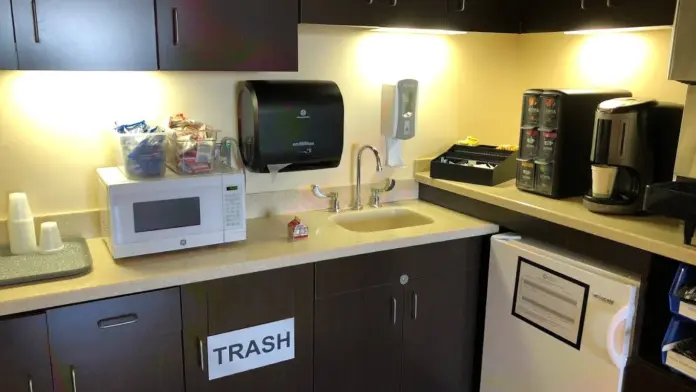
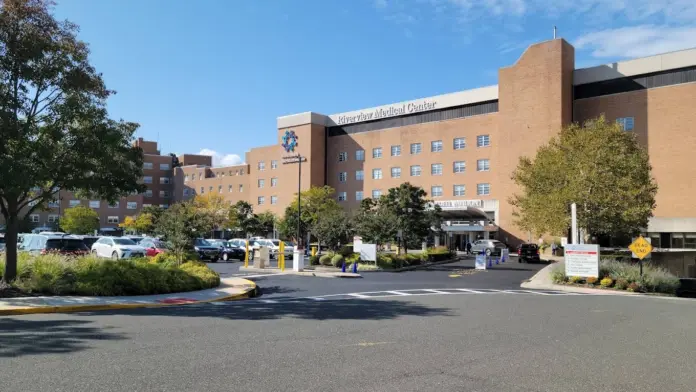
Accepted Insurance

Clover Health
Consumer Health Network
First Managed Care Option
Horizon Blue Cross Blue Shield
InterGroup
Brighton Health Plan Solutions
Oxford Health Plans
Qualcare
United States Family Health Plan (USFHP)
Other Forms of Payment
Private insurance refers to any kind of healthcare coverage that isn't from the state or federal government. This includes individual and family plans offered by an employer or purchased from the Insurance Marketplace. Every plan will have different requirements and out of pocket costs so be sure to get the full details before you start treatment.
Self-pay involves paying for treatment out of your own pocket. You can use savings or credit, get a personal loan, or receive help from family and friends to fund your treatment. If you don't have insurance or your insurance plan doesn't cover a specific program, self-pay can help ensure you still get the care you need.
Financial aid can take many forms. Centers may have grants or scholarships available to clients who meet eligibility requirements. Programs that receive SAMHSA grants may have financial aid available for those who need treatment as well. Grants and scholarships can help you pai for treatment without having to repay.
Medicare is a federal program that provides health insurance for those 65 and older. It also serves people under 65 with chronic and disabling health challenges. To use Medicare for addiction treatment you need to find a program that accepts Medicare and is in network with your plan. Out of pocket costs and preauthorization requirements vary, so always check with your provider.
Medicaid is a state based program that helps lower-income individuals and families pay for healthcare. Medicaid covers addiction treatment so those enrolled can use their coverage to pay for rehab. When a program accepts Medicaid the client often pays very little or nothing out of their own pocket.
Military members, veterans, and eligible dependents have access to specific insurance programs that help them get the care they need. TRICARE and VA insurance can help you access low cost or no cost addiction and mental health treatment. Programs that accept military insurance often have targeted treatment focused on the unique challenges military members, veterans, and their families face.
Addiction Treatments
Levels of Care
Outpatient rehabs enable clients to receive a full continuum of care while continuing to live at home. They're often ideal for clients who are stepping down from inpatient care but some clients may prefer to transition into outpatient treatment immediately after completing detox. Many outpatient facilities also offer ambulatory medical detox for low-risk clients. Outpatient treatment generally includes psychotherapy and life skills training. Clients in opioid and/or alcohol recovery may also receive medication assisted treatment (MAT).
Clients in a rehab aftercare program have typically completed detox and intensive inpatient and are medically stable. These programs are designed to address addiction recovery as a life-long process. Outpatient counseling and recovery education are typically categorized as drug rehab aftercare, but many clients continue to receive support after being discharged from formal outpatient treatment. Case managers and recovery teams facilitate clients' access to peer coaching, career counseling, 12 step program induction, and related services.
24-hour clinical care in New Jersey provides a setting where you can withdraw from alcohol or drugs under close monitoring of experienced medical staff. These trained professionals can intervene at any time if needed. They can prescribe medications to reduce cravings and physical discomfort. Mental health professionals are also available to address any emotional and psychological challenges you experience as you begin your recovery journey.
Clients often enter inpatient rehab following detox, but they may also enroll during early recovery or at an increased risk of relapse. Inpatient rehabs provide housing, meals, and intensive clinical supervision, allowing clients to focus exclusively on their recovery in a highly structured and supportive environment. Clients typically receive multiple individual, group, and/or family therapy sessions weekly. Many programs also offer extensive addiction education and recovery-focused life skills training. Integrative inpatient rehabs provide holistic therapies as well.
A partial hospitalization program (PHP) is a short-term, intensive outpatient option designed for those with moderate to severe addictions who don't require 24-hour care. PHP treatment is often fully covered by insurance and provides structured programming (i.e. individual and group therapy). A typical partial hospitalization program can meet 3-5 days a week for a minimum of 20 hours, offering intensive treatment during the day while allowing you to return home after. PHP treatment duration can vary based on your progress but averages 90 days.
Clients who are exiting inpatient rehab, those who are experiencing crisis, and those who prefer to live at home while in treatment typically enroll in intensive inpatient programs (IOP). These programs feature frequent and robust care, generally requiring clients to participate in at least nine hours of care weekly, though many intensive outpatient rehabs offer up to 20 treatment hours per week. IOP services typically combine individual, group, and family counseling with recovery education and holistic therapies.
Treatments
The goal of treatment for alcoholism is abstinence. Those with poor social support, poor motivation, or psychiatric disorders tend to relapse within a few years of treatment. For these people, success is measured by longer periods of abstinence, reduced use of alcohol, better health, and improved social functioning. Recovery and Maintenance are usually based on 12 step programs and AA meetings.
Drug rehab in New Jersey is the process of addressing the complex issues involved with addiction. Challenges are identified and addressed through individual and group counseling. Participants learn how to manage these issues without the use of substances.
Many of those suffering from addiction also suffer from mental or emotional illnesses like schizophrenia, bipolar disorder, depression, or anxiety disorders. Rehab and other substance abuse facilities treating those with a dual diagnosis or co-occurring disorder administer psychiatric treatment to address the person's mental health issue in addition to drug and alcohol rehabilitation.
A combined mental health and substance abuse rehab has the staff and resources available to handle individuals with both mental health and substance abuse issues. It can be challenging to determine where a specific symptom stems from (a mental health issue or an issue related to substance abuse), so mental health and substance abuse professionals are helpful in detangling symptoms and keeping treatment on track.
Opioid rehabs specialize in supporting those recovering from opioid addiction. They treat those suffering from addiction to illegal opioids like heroin, as well as prescription drugs like oxycodone. These centers typically combine both physical as well as mental and emotional support to help stop addiction. Physical support often includes medical detox and subsequent medical support (including medication), and mental support includes in-depth therapy to address the underlying causes of addiction.
You can find comprehensive substance abuse treatment in New Jersey in drug and alcohol rehabs. These treatment programs typically provide a full continuum of care including medically assisted detox, inpatient, outpatient, dual-diagnosis, and intensive outpatient. With a comprehensive substance abuse evaluation, addiction experts provide individualized treatment plans to meet your specific needs. These programs address substance use disorders using evidence-based therapies, like cognitive behavioral therapy (CBT) and dialectical behavioral therapy (DBT), individual and family counseling, and recovery support groups.
Mental health often overlooked, but it's a critical component of addiction treatment and recovery. Mental health disorders can significantly impact your quality of life, relationships, and ability to function on a daily basis. Mental health conditions - depression, anxiety, bipolar disorder - and addiction require specialized treatment just like any other physical illness. When people have a mental health disorder and an addiction simultaneously, dual diagnosis treatment is essential.
Programs
Adult rehab programs include therapies tailored to each client's specific needs, goals, and recovery progress. They are tailored to the specific challenges adult clients may face, including family and work pressures and commitments. From inpatient and residential treatment to various levels of outpatient services, there are many options available. Some facilities also help adults work through co-occurring conditions, like anxiety, that can accompany addiction.
Young adulthood can be an exciting, yet difficult, time of transition. Individuals in their late teens to mid-20s face unique stressors related to school, jobs, families, and social circles, which can lead to a rise in substance use. Rehab centers with dedicated young adult programs will include activities and amenities that cater to this age group, with an emphasis on specialized counseling, peer socialization, and ongoing aftercare.
Teen programs are designed to address the unique pressures teens face, pressures that can drive them to experiment with dangerous, addictive substances. They need programs that meet them exactly where they are and give them tools for long-term recovery. Therapy can help teenagers understand and work through underlying issues so they can reclaim the life ahead of them.
The providers who specialize in the children's rehab space understand the specialized needs that this population faces. School-based and social services such as tutoring and family counseling are often central to treatment. Child programs may also address the needs of youth experiencing substance abuse in the home, including a parent's or sibling's addiction.
Clinical Services
Group therapy is any therapeutic work that happens in a group (not one-on-one). There are a number of different group therapy modalities, including support groups, experiential therapy, psycho-education, and more. Group therapy involves treatment as well as processing interaction between group members.
In individual therapy, a patient meets one-on-one with a trained psychologist or counselor. Therapy is a pivotal part of effective substance abuse treatment, as it often covers root causes of addiction, including challenges faced by the patient in their social, family, and work/school life.
Research clearly demonstrates that recovery is far more successful and sustainable when loved ones like family members participate in rehab and substance abuse treatment. Genetic factors may be at play when it comes to drug and alcohol addiction, as well as mental health issues. Family dynamics often play a critical role in addiction triggers, and if properly educated, family members can be a strong source of support when it comes to rehabilitation.
Cognitive behavioral therapy (CBT) in New Jersey typically follows a set structure of treatment. The therapist helps clients identify their life challenges and their thoughts surrounding those challenges. The client then learns to identify unhealthy thought patterns and reshape those into healthy patterns of thinking and behavior.
Dialectical means opposing. The premise of dialectical behavior therapy is to learn how two things that seem to be opposite can actually be true. You learn how to accept yourself while also making changes. The focus is on accepting your emotions and changing how you manage them.
Amenities
-
 Residential Setting
 -
 Private Setting
 -
 Private Rooms
 -
 Gym
Gym -
 Recreation Room
 -
 Meditation Room
Staff & Accreditations
Staff

Robert. C. Garrett, FACHE
CEO of Hackensack Meridian Health

Jeffrey R. Boscamp, M.D.
President and Dean Hackensack Meridian School of Medicine
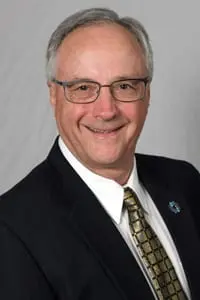
Mark S. Stauder
COO

Daniel W. Varga, M.D.
Chief Physician Executive
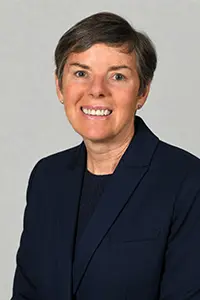
Regina Foley, Ph.D.
Executive VP, Chief Nursing Executive and Chief Clinical Transformation & Integration Officer
Accreditations

The Joint Commission, formerly known as JCAHO, is a nonprofit organization that accredits rehab organizations and programs. Founded in 1951, the Joint Commision's mission is to improve the quality of patient care and demonstrating the quality of patient care.
Joint Commission Accreditation: Yes
Accreditation Number: 5986

The Substance Abuse and Mental Health Services Administration (SAMHSA) is a branch of the U.S. Department of Health and Human Services. Established in 1992 by congress, SAMHSA's mission is to reduce the impact of substance abuse and mental illness on American's communities.
SAMHSA Listed: Yes

The Commission on Accreditation of Rehabilitation Facilities (CARF) is a non-profit organization that specifically accredits rehab organizations. Founded in 1966, CARF's, mission is to help service providers like rehab facilities maintain high standards of care.
CARF Accreditation: Yes
Rehab.com regularly reviews this listing for accuracy but changes may occur between updates. For the most up-to-date information, please contact HMH Riverview Medical Center.
Contact Information

1 Riverview Plaza
Red Bank, NJ 07701
Get Help Now - 908-312-3127
Sponsored Helpline
Sponsored Helpline



