










 1
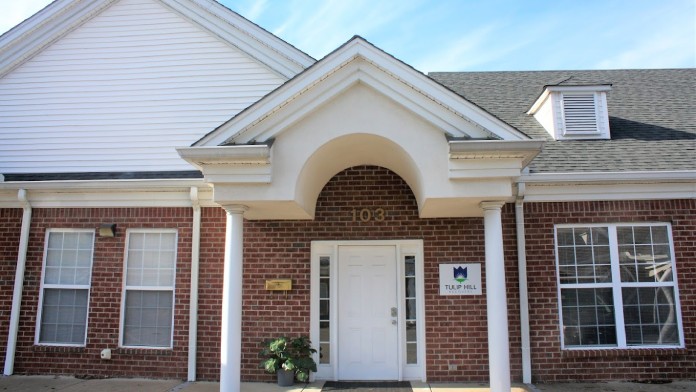
Tulip Hill Recovery
1
Top 10 Rehab Centers In Murfreesboro


















































































The length of their treatment varies. Some people find that at least 90 days is enough for them to feel stable enough to reenter society drug free, while others choose to stay for a year just to make sure they feel no cravings or symptoms when they leave the clinic for good.
Regardless, this is a good option if you’re looking to quit. You’ll receive not only psychological but emotional support from their team, and you’ll participate in different forms of counseling. Their individual counseling lets you speak personally and candidly to a professional therapist who can help you pinpoint the root cause of your addiction and give you practical methods on how to conquer your addiction. Their group therapy allows you to focus on relating to your peers which can in turn help you heal.


 Our Methodology


Medicare is a federal program that provides health insurance for those 65 and older. It also serves people under 65 with chronic and disabling health challenges. To use Medicare for addiction treatment you need to find a program that accepts Medicare and is in network with your plan. Out of pocket costs and preauthorization requirements vary, so always check with your provider.
Medicaid is a state based program that helps lower-income individuals and families pay for healthcare. Medicaid covers addiction treatment so those enrolled can use their coverage to pay for rehab. When a program accepts Medicaid the client often pays very little or nothing out of their own pocket.
Self-pay involves paying for treatment out of your own pocket. You can use savings or credit, get a personal loan, or receive help from family and friends to fund your treatment. If you don't have insurance or your insurance plan doesn't cover a specific program, self-pay can help ensure you still get the care you need.
Clients who are exiting detox or stepping down from intensive inpatient care typically transition directly into outpatient treatment. Outpatient programs are designed to allow clients to either re-enter or remain in their communities while receiving robust, personalized care. Many facilities offer evening, night, or weekend services to accommodate clients' home and work schedules. The most common outpatient treatment modalities include psychotherapy, recovery-focused life skills training, and medication assisted treatment (MAT).
Rehab aftercare programs offer a complete continuum of care for clients in the maintenance phase of recovery and are predicated on the idea that addiction disease is a chronic condition prone to relapse and warranting continuing care. Clients collaborate with their care team and case manager to access the specific rehab aftercare services they need to promote their sustained sobriety. Peer coaching, relapse prevention services, career counseling, and 12 step program induction are common in these programs.
A medically assisted detox is the safest way to remove addictive drugs and alcohol from your body. A team of licensed medical professionals will look after you 24/7 to monitor your health, help minimize discomfort, and provide medications if necessary to alleviate any withdrawal symptoms. This process is typically the first step in your recovery and may take around 5-7 days, although length will depend on your individual needs.
Intensive outpatient programs (IOP) evolve with clients' changing needs and are often well-suited for clients exiting inpatient rehab and those at an increased relapse risk. These programs typically involve between nine and 20 hours of treatment weekly, with the intensity and frequency of care decreasing as clients stabilize. Most intensive outpatient rehabs integrate a variety of treatment modalities to maintain a high level of individualized care. Services generally include counseling, recovery education, and medication assisted treatment (MAT).
Often used as a "step-down" option after you've completed a residential or inpatient program, the partial hospitalization program (PHP) typically involves a minimum of 20 hours of treatment per week for approximately 90 days. Programs offer structured programming that includes relapse prevention, medication management, and behavioral therapy services. Insurance coverage for PHP treatment varies among insurance providers.
Often used as a "step-down" option after you've completed a residential or inpatient program, the partial hospitalization program (PHP) typically involves a minimum of 20 hours of treatment per week for approximately 90 days. Programs offer structured programming that includes relapse prevention, medication management, and behavioral therapy services. Insurance coverage for PHP treatment varies among insurance providers.
There are many types of drug rehab in North Carolina. To receive treatment for addiction, you can choose from many inpatient and outpatient programs. Often, participants start with detox and work through a full continuum of care that continues with ongoing support for long-term recovery.
 Opioid Addiction
North Carolina offers substance abuse treatment programs that provide a holistic and evidence-based approach. Through a comprehensive mental health assessment, addiction experts can provide an individualized care plan specific to your needs. You can expect most rehabs programs to provide individual and group therapy, recovery meetings, and evidence-based therapies such as cognitive-behavioral therapy (CBT). Depending on your circumstances and severity of addiction, you may need more intensive care. Levels of care include outpatient, residential inpatient, intensive outpatient, and partial hospitalization. By choosing the right level of care, you're more likely to succeed in long-term recovery.
In North Carolina, dual-diagnosis addiction treatment programs focus on providing integrated care for individuals with co-occurring substance use disorders and mental health diagnoses. You can generally expect a range of programs, including intensive outpatient, inpatient residential, and partial hospitalization options. Therapies like cognitive-behavioral therapy (CBT), dialectical behavior therapy (DBT), trauma-informed therapy, and family therapy address both disorders and promote mental health and well-being, giving you the tools to sustain long-term recovery.
Adult rehab programs include therapies tailored to each client's specific needs, goals, and recovery progress. They are tailored to the specific challenges adult clients may face, including family and work pressures and commitments. From inpatient and residential treatment to various levels of outpatient services, there are many options available. Some facilities also help adults work through co-occurring conditions, like anxiety, that can accompany addiction.
Young adulthood can be an exciting, yet difficult, time of transition. Individuals in their late teens to mid-20s face unique stressors related to school, jobs, families, and social circles, which can lead to a rise in substance use. Rehab centers with dedicated young adult programs will include activities and amenities that cater to this age group, with an emphasis on specialized counseling, peer socialization, and ongoing aftercare.
The postpartum period is a sensitive time, especially for women in addiction recovery. Rehabs with specialized programs for new mothers will offer compassionate, personalized care to meet each client's needs as they transition from pregnancy to this season of life. Care teams may include obstetricians, pediatricians, and social workers working collaboratively to give women, children, and families a healthy future.
Clients who receive cognitive behavioral therapy in North Carolina typically attend five to 20 sessions. During this time, they work with their therapist to learn healthier patterns of thinking, which can help them change their behavior related to substance use.
If you're struggling with insecurity about your ability to make changes in your life, motivational interviewing in North Carolina could be a good solution. This type of therapy offers support and empowerment to help you explore your options and decide how to move forward with positive changes.
Men and women enjoy a supportive environment within group therapy sessions for drug and alcohol addiction treatment. You can share your experiences and build connections with your peers while receiving encouragement from individuals who have faced similar challenges.
Family therapy sessions address the emotional toll that addiction has had on the family unit and individual members. Therapists work with families to develop better coping strategies, which in turn create a stable environment for their loved one's recovery process.
You usually develop a strong bond with your therapist during individual therapy sessions. This helps you explore the underlying causes of your substance use in a safe and nonjudgmental environment. Therapists help you develop effective coping strategies you can use in the community and improve your self awareness so you understand your addiction triggers.

The Commission on Accreditation of Rehabilitation Facilities (CARF) is a non-profit organization that specifically accredits rehab organizations. Founded in 1966, CARF's, mission is to help service providers like rehab facilities maintain high standards of care.
CARF Accreditation: Yes

The Substance Abuse and Mental Health Services Administration (SAMHSA) is a branch of the U.S. Department of Health and Human Services. Established in 1992 by congress, SAMHSA's mission is to reduce the impact of substance abuse and mental illness on American's communities.
SAMHSA Listed: Yes
Rehab.com regularly reviews this listing for accuracy but changes may occur between updates. For the most up-to-date information, please contact Rowan Treatment Associates.

1504 Jake Alexander Blvd W
Salisbury, NC 28147
Sponsored Helpline

Been going 9 years and this is the best team I’ve seen in a long time. Fast, efficient, and respectful. Let’s my baby boy run when we’re there with no judgement.

This is hands down the best facility. I initally came here on vacation after going through a terrible loss. I was not aware the rules very from state to state and i thought i could same day guest dose.... that was absolutely not the case. Afyer calling every clinic in the triad area i came accoss Rowan Treatment Associates. The women who answered the phone was the most understanding kind women. I explained that i was vusiting from St. Petersburg, Florida and thought i could same day guest dose. I told her i hadnt had my medication that day and way bliwn off by every other clinic. I couldnt drive, with my young daughter, the 12 hrs back home without my medication, it was just impossible and not at all safe. She completely understood and went to speak with their doctor. Minutes later she told me if i could be there in the next 2 hrs and my councilor was able to send my paperwork they would dose me. I was in shock. The doctor worked with my doctor in Florida to figure out how to make my split dose into a dose that would sustain me for the duration I needed, since north carolina does not do split doses. The doctor, nurse and counselors stayed two hours after close just to make sure that I was able to dose. No other clinic in the world would have done what these people did. They also made sure i was able to get my normal take homes so I would not be rushed back to my home clinic. These people went above and beyond. I ended up moving here a few weeks later. They were thrilled to see me back. After the way i was treated everywhere else, and then the exceptional treatment i recieved from them i would never consider going anywhere else. Even though it was more than an hour drive each way. The transfer to this clinic was seemless, i had jo issues. There is zero judgement here, only help. The director Renita is absolutely fabulous. She's a strong, no nonsense, follow the rules and you'll do great, kind of person, but is compassionate and always greats you with a smile. You can see in the way the clinic runs and the employees interactions with her, that they respect her, and that truly cares about the clinic. She always greats me with a smile and says hello everytime she sees me, no matter how busy she is, and she is ALWAYS busy. That means something. I have never seen a director care about THE PATIENTS like she does. She always allows them to come in and speak with her, no appointment needed, which I have never seen in the 20 years I have been on this medication and the 3 different clinics I have attended. I have driven more than an hour each way for over 4.5 years, when other clinics were much closer, because of the level of care and understanding these people provide. My councilor Holly is the sweetest, kindest person and is always excited to hear about how I am doing. She treats you more like a friend would, not a patient. I love our monthly check ins. The nurses have the hardest job yet they are always happy and joking around with each other. Which shows me it's a happy work environment. If you are looking for a way to unburden yourself from your issues with controlled substances, or on it for pain management like I am, this is the place to go. Believe me I have had my issues now and then, at no fault of the clinic, but they have ALWAYS been addressed and resolved by Renita. I am so thankful I found a place where I can get my medication with no drama. No politics and just live a happy NORMAL life. So thank you to all the people that make this place run the way it does, that come in every day to make sure we are OK and can live normal lives. You will never understand how what you do truly effects people's quality of life. Thank you, truly, I am so very grateful for all you do!

Nurse Danielle and Crissy are awesome. Always in good moods unlike when I first came. Her name was kitty. She was MISERABLE

Great nurses and staff
 Back
Sharing your insights and experiences can help others learn more about this rehab center.

 Written By: Benjamin Cardenas
