





























































































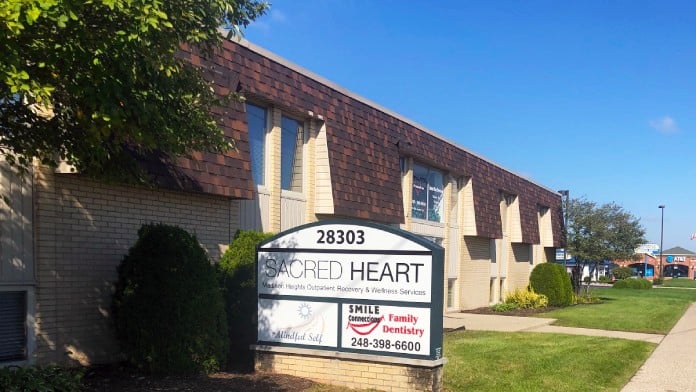
About Sacred Heart Rehabilitation Center Madison Heights Recovery & Wellness Services
The outpatient program consists of group and individual therapy. You’ll recover with others and build on each others’ experiences. These programs can be done on site or via telehealth. If you choose the telehealth option, you’ll have to access it by downloading an app.
Counseling is also provided with medication assisted treatment. If you have withdrawal pains or cravings, they can provide meds that can help make your recovery more comfortable. This can include naltrexone, buprenorphine, and methadone, depending on your needs.
Sacred Heart has additional tracks that include a women’s program, housing, and social services. These are in other locations throughout Michigan. Your case manager can refer you to these services if need be.
Latest Reviews



Rehab Score
 Our Methodology


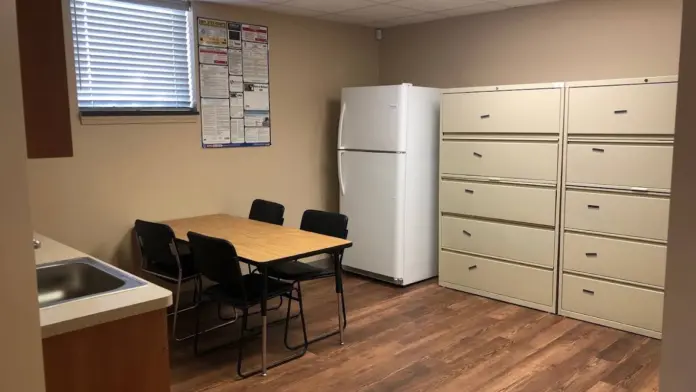
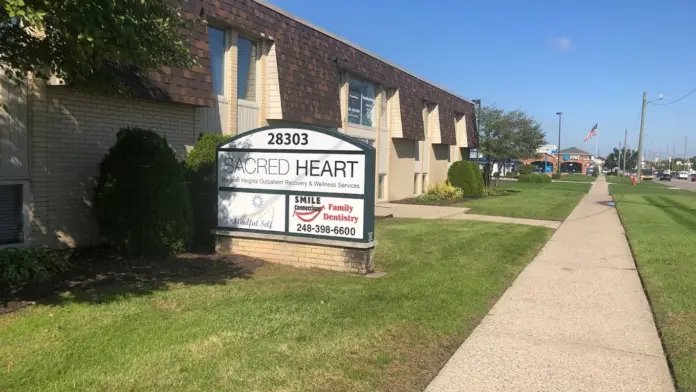
Gallery
Other Forms of Payment
Private insurance refers to any kind of healthcare coverage that isn't from the state or federal government. This includes individual and family plans offered by an employer or purchased from the Insurance Marketplace. Every plan will have different requirements and out of pocket costs so be sure to get the full details before you start treatment.
Self-pay involves paying for treatment out of your own pocket. You can use savings or credit, get a personal loan, or receive help from family and friends to fund your treatment. If you don't have insurance or your insurance plan doesn't cover a specific program, self-pay can help ensure you still get the care you need.
Financial aid can take many forms. Centers may have grants or scholarships available to clients who meet eligibility requirements. Programs that receive SAMHSA grants may have financial aid available for those who need treatment as well. Grants and scholarships can help you pai for treatment without having to repay.
Addiction Treatments
Levels of Care
Outpatient Programs (OP) are for those seeking mental rehab or drug rehab, but who also stay at home every night. The main difference between outpatient treatment (OP) and intensive outpatient treatment (IOP) lies in the amount of hours the patient spends at the facility. Most of the time an outpatient program is designed for someone who has completed an inpatient stay and is looking to continue their growth in recovery. Outpatient is not meant to be the starting point, it is commonly referred to as aftercare.
Residential treatment programs are those that offer housing and meals in addition to substance abuse treatment. Rehab facilities that offer residential treatment allow patients to focus solely on recovery, in an environment totally separate from their lives. Some rehab centers specialize in short-term residential treatment (a few days to a week or two), while others solely provide treatment on a long-term basis (several weeks to months). Some offer both, and tailor treatment to the patient's individual requirements. Linden Oaks' Residential Stay Program offers additional support for those who may benefit from a structured living environment. A patient's stay may vary from a few days to 30 days ago. The program includes group, family and individual counseling.
Clients receiving care in an intensive outpatient program (IOP) typically have completed inpatient treatment, but some choose to enroll in IOP immediately following detox. Intensive outpatient rehabs offer high-level support for clients in early recovery and those at an increased risk of relapse. Most programs provide between nine and 20 hours of treatment per week, with services ranging from addiction counseling to recovery education to medication assisted treatment (MAT). Holistic therapies, such as acupuncture, are common.
Clients engaged in a rehab aftercare program have already completed high-level treatment and have begun to develop essential recovery skills. Rehab aftercare services are designed to support clients' sustained sobriety as they reintegrate into their home, workplace, and community. Case managers, care teams, and clients design the customized service portfolio that will best support the client's long-term sobriety. Clients may receive peer coaching, 12 step program induction, vocational training, and relapse prevention services.
12 step programs are typically community-based and peer-led, though many rehabs base their treatment models on this approach. Participants engage in regular 12 step meetings, which are anonymous, free, and accessible multiple times a day, 365 days a year in most communities. Participants are also mentored by self-selected sponsors who support them as they work through the 12 steps of recovery, which include addressing the causes of the disease, taking personal responsibility, and relinquishing control.
Sober living homes in Michigan act as a bridge between an intensive level of care and the freedom of independent living. The primary rule in every sober living home is to stay sober. If a resident breaks this rule, they can be evicted. However, this environment is designed to prevent relapse, with mutual support, 12-step meetings, a structured schedule, and drug screenings.
During a medically supervised detox, addictive substances are removed from your body while under the 24/7 supervision of medical professionals in an inpatient environment. This is the safest way to wean your body off of addictive substances, since quitting alcohol or certain drugs (like opioids or benzodiazepines) can be dangerous if done on your own. The program typically lasts around 5-7 days, but is highly individualized depending on your needs.
Programs
Adult rehab programs include therapies tailored to each client's specific needs, goals, and recovery progress. They are tailored to the specific challenges adult clients may face, including family and work pressures and commitments. From inpatient and residential treatment to various levels of outpatient services, there are many options available. Some facilities also help adults work through co-occurring conditions, like anxiety, that can accompany addiction.
Clinical Services
Group therapy sessions in Michigan allow you to share responsibility with your peers in a group setting. This fosters a collective commitment to achieve sobriety and learn coping skills that are essential to improving your relationships and reducing your stress levels.
Personalized therapy sessions for drug addiction emphasize understanding your background and behavioral triggers for substance use. Your therapist will collaborate with you to create an effective coping strategy and address underlying issues that clear the way for lasting change.
Both internal and external factors can put stress on a relationship. Couples therapy helps you and your partner work through those stressors and find healthy ways to deal with challenges as they arise.
Family therapy is often recommended for family units with a member undergoing drug or alcohol rehabilitation. Family therapy helps to foster communication and conflict resolution that creates a supportive environment. This helps the loved one who is struggling with addiction.
Amenities
-
 Residential Setting
 -
 Private Rooms
Staff & Accreditations
Staff
Paula Nelson
President & CEO
Pam Ardoin
CFO
Denise Verschure
COO
Estee Weber
Chief Technology & Innovation Officer
Carolyn Parasick
VP of Human Resources
Tammy Murray
Director of Engagement & Recipient Rights Officer
Dr. Janice Romanik
Medical Director
Polly Fisher
Chairman, BOD
Mary Ann Schott
Vice Chairman, BOD
Richard Rowan
Treasurer, BOD
Renay Gagleard
Secretary, BOD
Accreditations

The Commission on Accreditation of Rehabilitation Facilities (CARF) is a non-profit organization that specifically accredits rehab organizations. Founded in 1966, CARF's, mission is to help service providers like rehab facilities maintain high standards of care.
CARF Accreditation: Yes

The National Association of Addiction Treatment Providers (NAATP) is a professional association that represents organizations in the field of addiction services. Founded in 1978, NAATP's mission is to advance addiction services and ensure that high-quality addiction treatment is available and accessible.
NAATP Member: Yes
Rehab.com regularly reviews this listing for accuracy but changes may occur between updates. For the most up-to-date information, please contact Sacred Heart Rehabilitation Center Madison Heights Recovery & Wellness Services.
Contact Information


28303 Dequindre Rd
#100
Madison Heights, MI 48071
Sponsored Helpline



