






























































































The most liveing people is this type of you need help. See them they will go out of there way to save you they go way above what the other places do thank y'all for every thing y'all have done for me
About Southwest Carolina Treatment Center
This facility uses various FDA approved medicines for their treatment. This includes methadone, buprenorphine and naltrexone. Their choice of medication will depend on your unique condition. All are used to minimize withdrawal symptoms and curb cravings. This helps you undergo individual and group counseling. This combined approach addresses the physical and psychological aspects of opioid addiction.
The facility is known for high quality and individualized treatment. This is made possible by their experienced care personnel including physicians, pharmacists and nurses. The program is also CARF accredited. This validates their commitment to quality care.
Special services may be available for expectant women. This may include physical examination and pregnancy testing. They also offer HIV/AIDS counseling, blood analysis and urine drug screening or urinalysis. Their complete program involves relapse and crisis prevention, transition planning and case management.
They also offer employment services, vocational support and comprehensive aftercare or discharge planning. The latter may involve ongoing therapy, referral to 12 Step programs and connection to community resources that aid sustained recovery. Comments from past clients reflect overwhelmingly positive experiences and exceptional quality of care.
Latest Reviews
I struggled with addiction for 20+ years. Thanks to southwest Carolina treatment center I’ve been clean for 4 years. Everyone at the clinic is nice. Sterling is down to earth and easy to talk to. He cares about the people he works with. He genuinely wants to know how you are doing. Everyone at the clinic is very helpful ,hopeful, and I get to feeling that they genuinely care about helping curve addiction in our community. 10/26/25 still using this same clinic, sterling is no longer there . Vick is my counselor now and he's awesome. He doesn't rush and takes the time to talk with me for as long as I need . This place saved my life literally. If you need help and have been unsuccessful at treatment several times please do yourself a favor and get to a clinic who offers out patient therapy.
Response from the owner3 weeks ago
Thank you for sharing such a powerful story. Achieving four years in recovery is an incredible accomplishment, and we are honored to have been part of your journey. Our team strives to create a supportive environment where individuals feel respected, heard, and encouraged every step of the way. We appreciate your kind words about our counselors and staff and are grateful for the opportunity to support recovery in our community.
Everyone here is so nice and helpful!
Response from the owner3 weeks ago
Thank you so much for sharing your thoughtful review. We’re truly honored by your kind words and so glad to know you feel supported by our team here at Southwest Carolina Treatment Center. Our staff works hard to provide a compassionate and encouraging environment where every patient feels heard and valued. We’re grateful for your trust and proud to be part of your recovery journey.
My treatment plan through SWCTC saved my life. I'd never heard of methadone and a friend told me about it. I was in denial and had spent so much money and time finding drugs. My whole existence depended on getting my pills. I wanted to stop and prayed for a way. I've been clean for 22 years now. If you really want to stop, call SWCTC or a clinic near you to make an appointment so you too can get help without going through a horrific withdrawal.
Response from the owner3 weeks ago
Thank you so much for sharing your incredible journey. Hearing how your treatment at Southwest Carolina Treatment Center has helped you achieve 22 years in recovery is truly inspiring. Your strength, honesty, and willingness to share your experience will no doubt encourage others who are seeking help. We’re honored to have been part of your path, and we celebrate your continued success in recovery. 
Rehab Score
 Our Methodology
Scoring is assigned by a proprietary system which helps surface key metrics that determine quality. The 10-point scale factors in categories such as operations, customer satisfaction, and trust metrics. Read Full Methodology

7.6 / 10
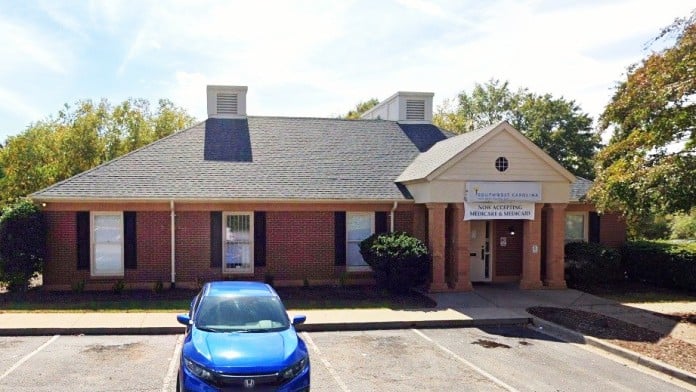
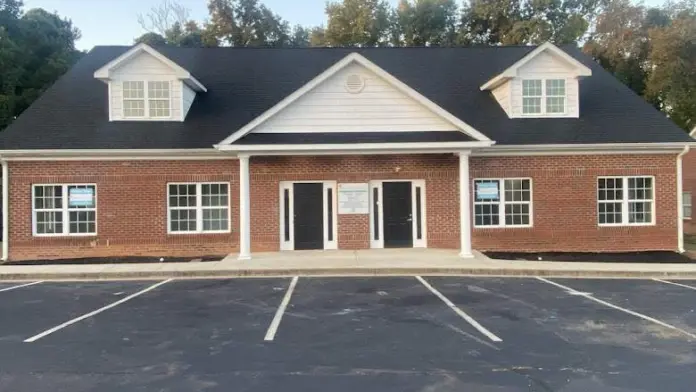
Gallery
Other Forms of Payment
Self-pay involves paying for treatment out of your own pocket. You can use savings or credit, get a personal loan, or receive help from family and friends to fund your treatment. If you don't have insurance or your insurance plan doesn't cover a specific program, self-pay can help ensure you still get the care you need.
Private insurance refers to any kind of healthcare coverage that isn't from the state or federal government. This includes individual and family plans offered by an employer or purchased from the Insurance Marketplace. Every plan will have different requirements and out of pocket costs so be sure to get the full details before you start treatment.
Medicaid is a state based program that helps lower-income individuals and families pay for healthcare. Medicaid covers addiction treatment so those enrolled can use their coverage to pay for rehab. When a program accepts Medicaid the client often pays very little or nothing out of their own pocket.
Addiction Treatments
Levels of Care
Outpatient Programs (OP) are for those seeking mental rehab or drug rehab, but who also stay at home every night. The main difference between outpatient treatment (OP) and intensive outpatient treatment (IOP) lies in the amount of hours the patient spends at the facility. Most of the time an outpatient program is designed for someone who has completed an inpatient stay and is looking to continue their growth in recovery. Outpatient is not meant to be the starting point, it is commonly referred to as aftercare.
Drug and alcohol addiction often takes a heavy toll on one’s body. Over time, a physical dependence can develop, meaning the body physiologically needs the substance to function. Detox is the process of removing drugs and/or alcohol from the body, a process that can be lethal if mismanaged. Medical detox is done by licensed medical professionals who monitor vital signs and keep you safe, healthy, and as comfortable as possible as you go through detox and withdrawal. Linden Oak's Addiction Services unit is a separate area within Linden Oaks Hospital that offers treatment for those undergoing withdrawal as they stop the cycle of addiction. Patients are detoxified under the care of a psychiatrist, and their staff has specialized training to provide the medication, monitoring and support needed during the withdrawal process.
Programs
Adult rehab programs include therapies tailored to each client's specific needs, goals, and recovery progress. They are tailored to the specific challenges adult clients may face, including family and work pressures and commitments. From inpatient and residential treatment to various levels of outpatient services, there are many options available. Some facilities also help adults work through co-occurring conditions, like anxiety, that can accompany addiction.
Clinical Services
Men and women in South Carolina undergoing individual therapy work closely with their therapist to address the personal challenges and lifestyle changes that can help address addiction triggers. You have a unique situation and your therapist will spend time helping you develop healthy coping strategies so you can work toward achieving and maintaining sobriety.
Group therapy participants in South Carolina learn practical conflict resolution skills they can practice within the group. These skills are essential for improving your relationships and reducing stress outside rehabilitation. Both of these factors are crucial to help maintain your recovery.
Staff & Accreditations
Staff
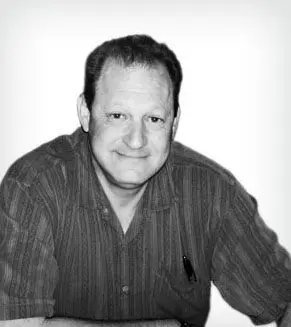
Richard L. Sherman, D.O.
Founder
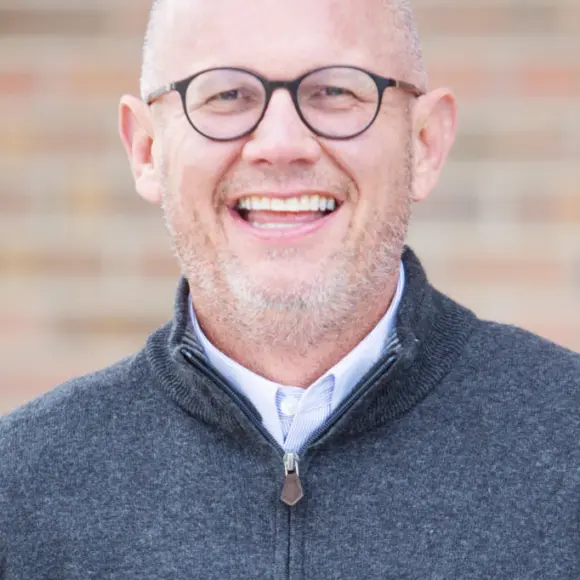
Stephen Loyd, M.D.
Medical Director
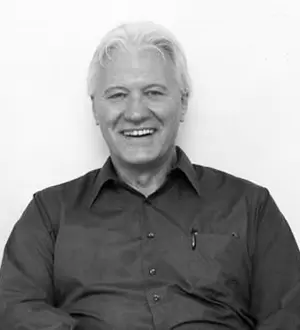
A. Dale Nash, M.D.
Medical Director
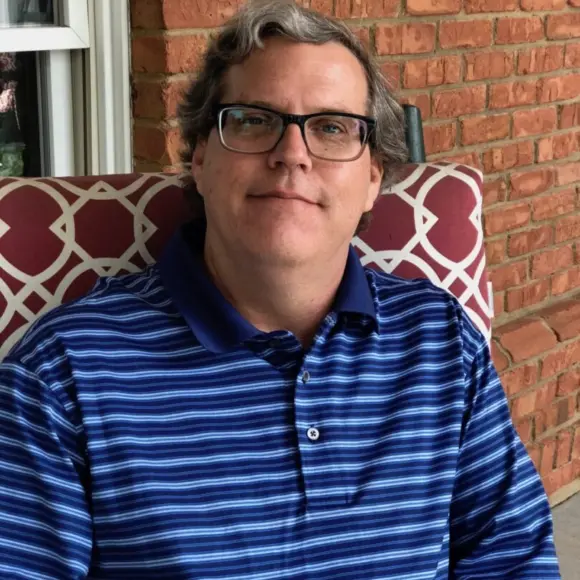
Christopher Scott Montjoy, M.D.
Internal Medicine
Accreditations

The Commission on Accreditation of Rehabilitation Facilities (CARF) is a non-profit organization that specifically accredits rehab organizations. Founded in 1966, CARF's, mission is to help service providers like rehab facilities maintain high standards of care.
CARF Accreditation: Yes
Rehab.com regularly reviews this listing for accuracy but changes may occur between updates. For the most up-to-date information, please contact Southwest Carolina Treatment Center.
Contact Information

131 Broadbent Way
Anderson, SC 29625
Get Help Now - 864-742-7022
Sponsored Helpline
Sponsored Helpline


