





























































































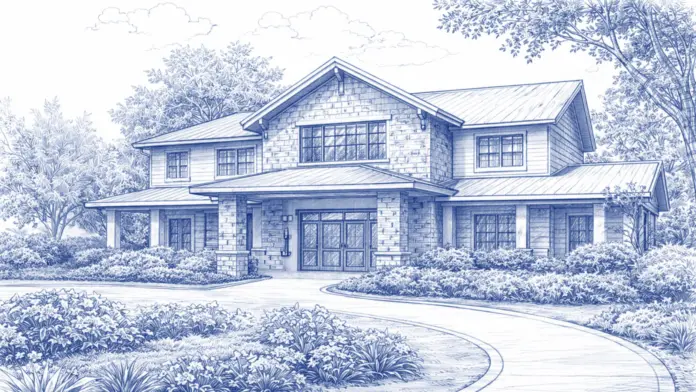
About Star Behavioral Health and Recovery Center
Star Behavioral Health and Recovery Center (SBHRC) offers comprehensive behavioral health services designed to support individuals on their journey to recovery. We provide personalized care through a combination of individual and group counseling, substance use treatment, and supportive housing. Our mission is to empower clients to achieve long-term sobriety, mental wellness, and stability, while helping them build healthier lifestyles.
Services Provided:
– Individual Counseling: One-on-one sessions with licensed therapists to address the unique needs of each individual.
– Group Counseling: Facilitated group therapy sessions for shared experiences and peer support in a safe and encouraging environment.
– Substance Use Treatment: A range of evidence-based treatments, including detoxification, outpatient programs, and relapse prevention strategies.
– Transitional Housing: Safe, structured living arrangements for clients in recovery, promoting independence and community integration.
-Psychiatric Rehabilitation: for adults with serious and persistent mental illness. Services are provided onsite and offsite by trained psychiatric rehabilitation professionals. We offer individuals diagnosed with mental health illness a variety of services to keep them functional in the community while decreasing homelessness and promoting stability.
-OMHC: Outpatient Mental Health Treatment Services
Why Choose SBHRC?
– Holistic approach to addiction recovery.
– Experienced team of professionals including counselors, therapists, and medical staff.
– Safe, supportive, and non-judgmental environment.
– Flexible treatment plans that cater to the client’s specific needs and goals.
Latest Reviews



Rehab Score
 Our Methodology


Location
Accepted Insurance
Addiction Treatments
Levels of Care
Clients who are exiting detox or intensive inpatient treatment often enroll in outpatient rehab programs to ensure a robust continuity of care. Outpatient programs allow clients to remain in or return to their homes and workplaces while continuing to receive treatment, which typically includes addiction counseling and recovery-focused life skills training. Clients in opioid and/or alcohol recovery may also receive medication assisted treatment (MAT), including medication induction and maintenance, at an outpatient facility.
Inpatient rehab enables clients to focus exclusively on their recovery while living in a highly structured and supportive environment. Inpatient treatment is typically designed for clients who have just completed detox, are in early recovery, and/or are at an elevated risk of relapse. Their treatment generally involves intensive addiction counseling, including individual, group, and family counseling. Many inpatient rehabs also offer recovery-focused life skills training and/or holistic therapies, such as yoga, massage, and meditation.
Most sober living homes in Maryland are located in peaceful, quiet neighborhoods. These private residences are designed to offer a low-stress but structured environment where residents can focus on their ongoing recovery efforts and receive support to maintain sobriety. Several individuals, all of whom are in recovery, share the halfway house. This type of communal living helps decrease relapse, increase employment rates, and helps individuals hone their recovery skills.
Commonly known as "day treatment," a partial hospitalization program (PHP) is a short-term intensive rehab option designed to provide treatment during the day and you're able to return home at night. PHP treatment offers structured programming, including individual and group therapy, typically meeting 3-5 days a week for 6-8 hours per day. PHP duration averages around 90 days, with some programs offering amenities like transportation and meals.
Treatments
 Opioid Addiction
Once a person has become addicted to a substance, drug rehab in Maryland is often necessary to overcome that addiction. These programs provide the tools individuals need to manage the physical, mental, and emotional issues involved and begin a successful recovery journey.
Maryland's addiction experts understand the importance of dual-diagnosis addiction treatment in their inpatient and outpatient recovery programs. Dual-diagnosis means having two mental health disorders at the same time, like addiction and depression. By treating individuals with co-occurring substance use disorders and mental health conditions simultaneously, they can enhance recovery outcomes and improve overall health, reducing the risk of relapse. Programs include evidence-based therapies, family counseling, recovery support groups, and skills training. Additional services may include medically assisted detox, 12-Step facilitation, equine therapy, complementary treatments, and alumni programs.
In Maryland, substance abuse treatment programs support individuals struggling with drugs or alcohol, and those who also have mental health conditions. These rehab programs vary, depending on the level of care you need. That might include inpatient rehab, or an outpatient program. Typically, substance abuse treatment includes evidence-based therapies such as cognitive-behavioral therapy (CBT), dialectical behavior therapy (DBT), recovery support meetings, and skills groups to equip you with new coping strategies when you leave rehab.
Treatment for drug and alcohol addiction often centers on improving mental health. Inpatient care is ideal for people who need closer monitoring while receiving therapeutic and mental health services. Standard therapies include group and individual counseling, relapse prevention education, coping skills training, cognitive-behavioral therapy (CBT), motivational interviewing and family support groups. With all critical therapies combined, there is a greater chance for improving mental health and achieving sustained recovery.
Programs
Adult rehab programs include therapies tailored to each client's specific needs, goals, and recovery progress. They are tailored to the specific challenges adult clients may face, including family and work pressures and commitments. From inpatient and residential treatment to various levels of outpatient services, there are many options available. Some facilities also help adults work through co-occurring conditions, like anxiety, that can accompany addiction.
Clinical Services
Cognitive behavioral therapy and motivational interviewing techniques are often part of group therapy sessions. These are evidence based techniques that address thinking and behavioral patterns that trigger addictive behavior. Learning how to address these thought patterns can help create lasting change.
Individualized one on one therapy allows the therapist to focus on your specific challenges and strengths. Using a personalized approach enables the therapist to help you develop effective coping mechanisms and build a more stable and fulfilling substance free life.
Cognitive behavioral therapy in Maryland emphasizes your current life rather than what has happened in the past. Your therapist will help you develop methods to deal with current and future challenges so you can cope in healthy ways that don't involve substances.
Accreditations

The Commission on Accreditation of Rehabilitation Facilities (CARF) is a non-profit organization that specifically accredits rehab organizations. Founded in 1966, CARF's, mission is to help service providers like rehab facilities maintain high standards of care.
CARF Accreditation: Yes

State Licenses are permits issued by government agencies that allow rehab organizations to conduct business legally within a certain geographical area. Typically, the kind of program a rehab facility offers, along with its physical location, determines which licenses are required to operate legally.
State License: Maryland
Rehab.com regularly reviews this listing for accuracy but changes may occur between updates. For the most up-to-date information, please contact Star Behavioral Health and Recovery Center.
Contact Information


218 E. Lexington St.
Suite 101
Baltimore, MD 21202
Sponsored Helpline


