






























































































I have been with Stateline for 20+ years and without a doubt will be forever grateful for the life I have today. The support here has been phenomenal. Just like everything in life, you have to put 100% in to get to the better side.
About Stateline Medical
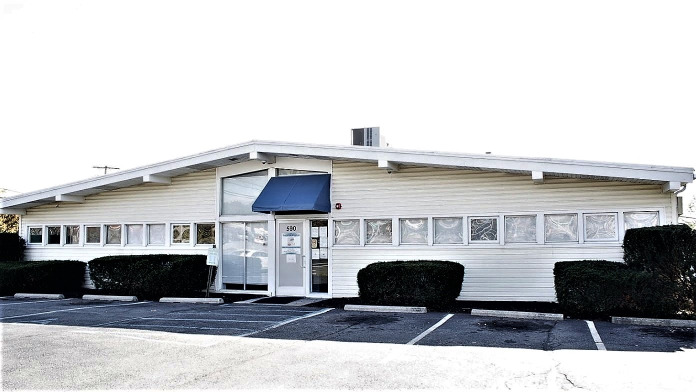
Located in Phillipsburg, New Jersey on the Delaware River, Stateline Medical is an outpatient treatment center for opioid and prescription drug dependence. A member of the New Jersey Association for the Treatment of Opioid Dependence (NJATOD) and accredited by the Commission on Accreditation of Rehabilitation Facilities (CARF), they were voted one of the best Suboxone treatment centers in Ocean Township in 2024. Under the umbrella of Pinnacle Treatment Centers, they offer medication assisted treatment (MAT) as part of a personalized treatment plan that’s adjusted over time to fit your recovery needs.
Office Based Opioid Treatment
In addition to their half day intensive outpatient program (IOP), they provide office based opioid treatment (OBOT). This program was created to offer MAT outside of federally regulated methadone clinics, thereby making care more accessible. Prescriptions by nurse practitioners and physician assistants are combined with individual and group therapy, addiction education, and vocational counseling. Multidisciplinary teams address basic life needs such as shelter, health, and legal issues.
Multiple Approaches to Find Your Best Fit
Community support is offered through programs like Narcotics Anonymous (NA), SMART recovery, and Refuge recovery. Refuge recovery is rooted in the teachings of Buddhism, while SMART recovery groups are facilitated by trained volunteers. Stateline also offers supplemental activities including exercise, meditation, and expressive therapies such as art, music, and journaling as part of their holistic approach to treatment.
Best of Both Worlds
If you’re looking for a serene place to continue your recovery, Phillipsburg boasts urban living in a rural atmosphere. Situated midway between Philadelphia and New York City and 30 minutes from the Pocono Mountains, the area is one of rolling hills, woodlands, and flowing waters. Since the outpatient treatment at this clinic is designed to fit into your schedule, it leaves you with plenty of time to explore the city’s natural beauty.
Facility Overview
 36
36 Number of Available Beds
Latest Reviews
Staff is very kind, caring and very helpful. They will work with you and help in anyway they can! Highly recommend if your in the area, you'll be in great hands. Thank you State Line ! (Pam and Gabby)
Response from the owner1 week ago
Thank you, Anthony! Our Stateline team goes out of their way to help, and this will make their day 😊.
Saved my life and became my family. I have to move on do to insurance issues and feels like the biggest loss of my life! Love you all Thank you for the yrs of sobriety!
Response from the owner1 week ago
Thank you so much for the heartfelt words, Samantha. You will always be part of our community and our team will love to see this! 😊
I’ve been to at least 6 clinics throughout my life and this is by far the best.
The lady behind the desk is an angel and remembers everyone’s name and number.
Counselors are great, dosing nurses are great, doctor is funny.
Best clinic in New Jersey by so much
Response from the owner1 week ago
Thank you so much for your incredible review, Kevin. We're grateful you've had such a positive experience with our entire team. We truly appreciate your kind words and are honored to be the clinic you trust. Thank you for being a part of our community! 🩵 
Rehab Score
 Our Methodology
Scoring is assigned by a proprietary system which helps surface key metrics that determine quality. The 10-point scale factors in categories such as operations, customer satisfaction, and trust metrics. Read Full Methodology

6.8 / 10
Gallery
Accepted Insurance
Other Forms of Payment
Medicaid is a state based program that helps lower-income individuals and families pay for healthcare. Medicaid covers addiction treatment so those enrolled can use their coverage to pay for rehab. When a program accepts Medicaid the client often pays very little or nothing out of their own pocket.
Private insurance refers to any kind of healthcare coverage that isn't from the state or federal government. This includes individual and family plans offered by an employer or purchased from the Insurance Marketplace. Every plan will have different requirements and out of pocket costs so be sure to get the full details before you start treatment.
Self-pay involves paying for treatment out of your own pocket. You can use savings or credit, get a personal loan, or receive help from family and friends to fund your treatment. If you don't have insurance or your insurance plan doesn't cover a specific program, self-pay can help ensure you still get the care you need.
Financial aid can take many forms. Centers may have grants or scholarships available to clients who meet eligibility requirements. Programs that receive SAMHSA grants may have financial aid available for those who need treatment as well. Grants and scholarships can help you pai for treatment without having to repay.
Addiction Treatments
Levels of Care
Outpatient Programs (OP) are for those seeking mental rehab or drug rehab, but who also stay at home every night. The main difference between outpatient treatment (OP) and intensive outpatient treatment (IOP) lies in the amount of hours the patient spends at the facility. Most of the time an outpatient program is designed for someone who has completed an inpatient stay and is looking to continue their growth in recovery. Outpatient is not meant to be the starting point, it is commonly referred to as aftercare.
Drug and alcohol addiction often takes a heavy toll on one's body. Over time, a physical dependence can develop, meaning the body physiologically needs the substance to function. Detox is the process of removing drugs and/or alcohol from the body, a process that can be lethal if mismanaged. Medical detox is done by licensed medical professionals who monitor vital signs and keep you safe, healthy, and as comfortable as possible as you go through detox and withdrawal.
Intensive Outpatient Programs (IOP) are for those who want or need a very structured treatment program but who also wish to live at home and continue with certain responsibilities (such as work or school). IOP substance abuse treatment programs vary in duration and intensity, and certain outpatient rehab centers will offer individualized treatment programs.
Completing a drug or alcohol rehab program shouldn't spell the end of substance abuse treatment. Aftercare involves making a sustainable plan for recovery, including ongoing support. This can include sober living arrangements like halfway houses, career counseling, and setting a patient up with community programs like Alcoholics Anonymous (AA) or Narcotics Anonymous (NA).
Treatments
The goal of treatment for alcoholism is abstinence. Those with poor social support, poor motivation, or psychiatric disorders tend to relapse within a few years of treatment. For these people, success is measured by longer periods of abstinence, reduced use of alcohol, better health, and improved social functioning. Recovery and Maintenance are usually based on 12 step programs and AA meetings.
Drug rehab in New Jersey is the process of addressing the complex issues involved with addiction. Challenges are identified and addressed through individual and group counseling. Participants learn how to manage these issues without the use of substances.
Opioid rehabs specialize in supporting those recovering from opioid addiction. They treat those suffering from addiction to illegal opioids like heroin, as well as prescription drugs like oxycodone. These centers typically combine both physical as well as mental and emotional support to help stop addiction. Physical support often includes medical detox and subsequent medical support (including medication), and mental support includes in-depth therapy to address the underlying causes of addiction.
Substance rehabs focus on helping individuals recover from substance abuse, including alcohol and drug addiction (both illegal and prescription drugs). They often include the opportunity to engage in both individual as well as group therapy.
Programs
Adult rehab programs include therapies tailored to each client's specific needs, goals, and recovery progress. They are tailored to the specific challenges adult clients may face, including family and work pressures and commitments. From inpatient and residential treatment to various levels of outpatient services, there are many options available. Some facilities also help adults work through co-occurring conditions, like anxiety, that can accompany addiction.
Young adulthood can be an exciting, yet difficult, time of transition. Individuals in their late teens to mid-20s face unique stressors related to school, jobs, families, and social circles, which can lead to a rise in substance use. Rehab centers with dedicated young adult programs will include activities and amenities that cater to this age group, with an emphasis on specialized counseling, peer socialization, and ongoing aftercare.
Clinical Services
Creativity is inherently healing, and can help those in recovery express thoughts or feelings they might not otherwise be able to. Creative arts therapy can include music, poetry/writing, painting, sculpting, dance, theater, sandplay, and more. Unlike traditional art, the final product matters far less than the experience of creation and expression itself.
Experiential therapy is a form of therapy in which clients are encouraged to surface and work through subconscious issues by engaging in real-time experiences. Experiential therapy departs from traditional talk therapy by involving the body, and having clients engage in activities, movements, and physical and emotional expression. This can involve role-play or using props (which can include other people). Experiential therapy can help people process trauma, memories, and emotion quickly, deeply, and in a lasting fashion, leading to substantial and impactful healing.
Group therapy is any therapeutic work that happens in a group (not one-on-one). There are a number of different group therapy modalities, including support groups, experiential therapy, psycho-education, and more. Group therapy involves treatment as well as processing interaction between group members.
Life skills trainings involve all the skills a person must have in order to function successfully in the world. These include time management, career guidance, money management, and effective communication. Truly successful addiction recovery is based on the ability to not only live substance-free, but to thrive. Life skills teaches the practical necessities of functioning in society, which sets clients up for success in life, and therefore sobriety.
Nutrition therapy, aka medical nutrition therapy (MNT), is a way of treating physical, emotional, and medical conditions through diet. Specific dietary plans are designed by professional nutritionists or registered dietitians, and patients follow them in order to positively affect their physical and mental health.
Trauma therapy addresses traumatic incidents from a client's past that are likely affecting their present-day experience. Trauma is often one of the primary triggers and potential causes of addiction, and can stem from child sexual abuse, domestic violence, having a parent with a mental illness, losing one or both parents at a young age, teenage or adult sexual assault, or any number of other factors. The purpose of trauma therapy is to allow a patient to process trauma and move through and past it, with the help of trained and compassionate mental health professionals.
Staff & Accreditations
Staff
Brian Thorn
CEO
Michael Lawler
CEO
William Dorris
CFO
Chris Ong
Regional VP
Accreditations

The Substance Abuse and Mental Health Services Administration (SAMHSA) is a branch of the U.S. Department of Health and Human Services. Established in 1992 by congress, SAMHSA's mission is to reduce the impact of substance abuse and mental illness on American's communities.
SAMHSA Listed: Yes
Rehab.com regularly reviews this listing for accuracy but changes may occur between updates. For the most up-to-date information, please contact Stateline Medical.
Contact Information

590 Marshall street
Phillipsburg, NJ 08865
Get Help Now - 732-708-2148
Sponsored Helpline
Sponsored Helpline


