






























































































Stayed at this places for 4 months and will never forgot it. Unfortunately everyone in there with me that I had numbers from has relapsed and died from Heroin. I had no want to get clean, just tried to get my mother off my back. This was in 2012. November 15th 2017 I wanted ...
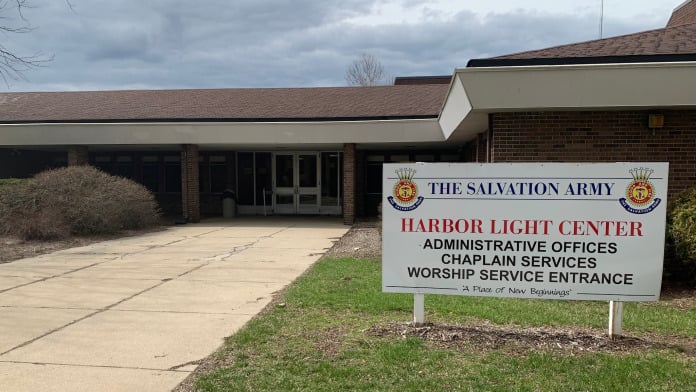
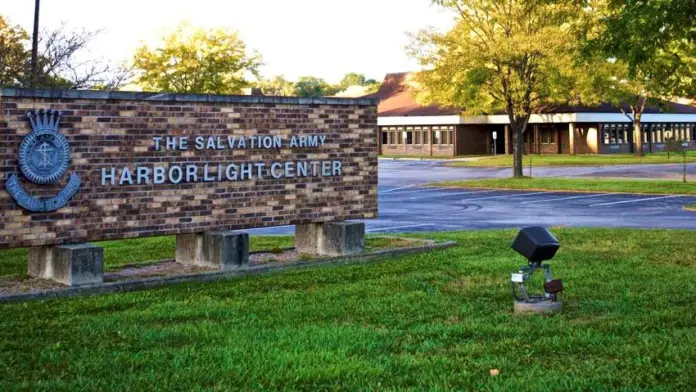
About Salvation Army Harbor Light Center
They are evangelical in nature and associate with the global Christian Church. The Bible is the source of their message.
They offer an intensive rehabilitation unit to help you overcome addiction, rebuild your life and reintegrate into the community. This unit provides residential treatment if you are in need of basic education and counseling to help modify your attitudes and behaviors after detoxing.
They also offer an intensive outpatient program (IOP). This can provide long term care plans and continuous treatment. You’ll learn about addiction triggers and how to approach issues and change your lifestyle through educational and counseling sessions.
They provide employment services as well. Their transitional job programs can help you with proper job behaviors, resume writing and interviewing techniques. They also focus on conflict resolution and other workplace skills in addition to helping you find employment.
They also offer teenage drug abuse treatment. They use evidence based techniques with separate groups for boys and girls appropriate for ages 13 to 17. Pro social recreational activities in their spacious community center are a crucial element.
If you’re experiencing acute physical distress due to alcohol or drug abuse you can receive medical intervention 24 hours a day 7 days a week through their residential sub acute detoxification program. A licensed doctor oversees this unit which is manned by certified and state licensed nurses.
Their residential treatment program is a 28 day round the clock supervised living program with highly structured addiction programming. This program emphasizes recovery and relapse prevention techniques and includes educational classes about chemical dependency. Their transitional housing ambassador program offers affordable housing for adult men and women aged 18 and up who require temporary housing.
Latest Reviews
Last month, I had the pleasure of attending Harbor Light IOP's Graduation and I was moved in so many ways I truly felt obligated to write a review about my experience. At this graduation, the valedictorian's name was Henry. He read a speech to the members in the audience and after his speech, he read a break up letter to the drug that had him in bondage for so many years.
In this letter he reminisced on the good times they experienced, the great times with the women and the important life events he missed while being under the influence of this drug. The saying "all good things, must come to an end" was evident while he read this letter to the crowd. Henry decided that Harbor Light Center was going to be his home to assist him with obtaining and maintaining his sobriety. He thanked the caring and loving staff for they way they made him well welcomed on his first day. The Harbor Light Center is the truly place for New Beginnings, and I was honored to witness that Henry and the rest of his graduating class achieved their New Beginning at The Harbor Light Center. A place filled with love, compassion and support! I will continue to make referrals to the HLC! Please continue doing the rewarding work that you do, as YOU ARE MAKING A DIFFERENCE!
Thank you for sharing your feedback and experience of the IOP graduation. Its our honor to celebrate each person throughout the journey of recovery. Thank you for attending! Your support matters.
Sincerely
The Harbor Light Team
Response from the owner3 weeks ago
Hello Danny,Thank you for sharing your feedback and experience of the IOP graduation. Its our honor to celebrate each person throughout the journey of recovery. Thank you for attending! Your support matters.
Sincerely
The Harbor Light Team
I definitely would recommend Harbor lights to anyone wanting to change their life. The staff here is amazing. They loved me when I couldn't love myself. Especially Jesseca she has been a major support throughout my time here.
Thank you for sharing your review and positive experiences with our team. We value your feedback and continue to cheer you on and pray for your journey.
Sincerely
The Harbor Light Team
Response from the owner3 weeks ago
Hi Sarah,Thank you for sharing your review and positive experiences with our team. We value your feedback and continue to cheer you on and pray for your journey.
Sincerely
The Harbor Light Team
I had a great experience at Harbor Light Center, Salvation Army. I was so determined that this place would not help me or me turn my life back around but you know what after detox for a week and a couple of weeks after I started to feel normal again I learned that I could not get better in a couple days. HLC changed my life around it’s been going good and strong for 5 years now I feel amazing I want to thank them. If you or a loved one is seeking to find and get help give them a call they will help you out sobriety is possible
Thank you for sharing your feedback. Congratulations on your continued sobriety! We are honored and grateful to be a part of your journey. Always praying and cheering for you from HLC.
Sincerely,
The Harbor Light Team
Response from the owner3 weeks ago
Hello Laura, Thank you for sharing your feedback. Congratulations on your continued sobriety! We are honored and grateful to be a part of your journey. Always praying and cheering for you from HLC.
Sincerely,
The Harbor Light Team

Rehab Score
 Our Methodology
Scoring is assigned by a proprietary system which helps surface key metrics that determine quality. The 10-point scale factors in categories such as operations, customer satisfaction, and trust metrics. Read Full Methodology

8.6 / 10
Gallery
Accepted Insurance
Other Forms of Payment
Self-pay involves paying for treatment out of your own pocket. You can use savings or credit, get a personal loan, or receive help from family and friends to fund your treatment. If you don't have insurance or your insurance plan doesn't cover a specific program, self-pay can help ensure you still get the care you need.
Sliding scale payments are based on a client's income and family size. The goal is to make treatment affordable to everyone. By taking these factors into account, addiction recovery care providers help ensure that your treatment does not become a financial burden to you or your family, eliminating one barrier to care.
Medicaid is a state based program that helps lower-income individuals and families pay for healthcare. Medicaid covers addiction treatment so those enrolled can use their coverage to pay for rehab. When a program accepts Medicaid the client often pays very little or nothing out of their own pocket.
 Free
FreeAddiction Treatments
Levels of Care
The Residential Treatment program offers a 14-day, 24-hour supervised living with highly structured addictions programming. The program consists of educational classes related to chemical dependency, and focuses on relapse and recovery skills. Programming is designed to teach basic recovery and life management skills to increase the individual’s ability to function effectively at home, work and socially. The RT program is enhanced with social and recreational activities, on-site 12-step meetings, family education, HIV education and testing, individual, group and spiritual counseling. Case management services link clients with community-based services to meet basic needs. On-site drug testing is routinely conducted.
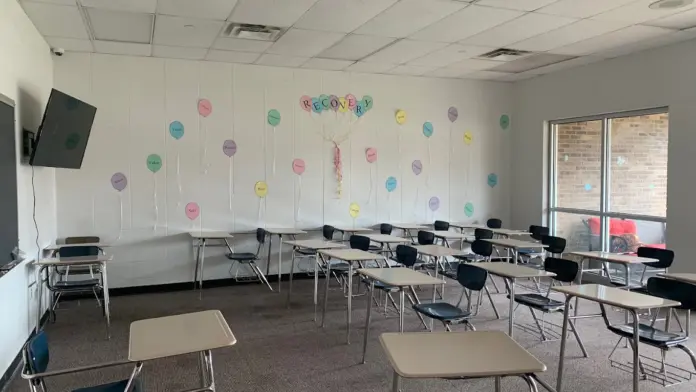
Intensive Outpatient Treatment services are designed to empower each client to remain abstinent from alcohol, drugs, and gambling. Services focus on improving psychological and social coping skills which result in the improvement in their quality of life. Intensive Outpatient services are a natural progression for those individuals who are stepping down from Detox, Residential Treatment, or who have been diagnosed with a serious substance dependence problem. The program offers eight to sixteen (8-16) weeks of cognitive-based group sessions, meeting three (3) times a week for three (3) hours. Groups are offered during day and evening hours to increase accessibility for clients.
Clients receiving support in a rehab aftercare program have completed inpatient care and may also be preparing to exit formal outpatient care. Outpatient services are typically categorized as rehab aftercare, but these services often continue beyond the cessation of formal treatment. Rehab aftercare services are designed to promote life-long recovery through comprehensive, wraparound care, which may include medical, mental health, and social services. These programs are usually created in collaboration with the client's case manager and care team.
12-step programs are addiction recovery models based on Alcoholics Anonymous (AA). A number of substance abuse programs (including some drug and alcohol rehab centers) use the 12 steps as a basis for treatment. Beginning steps involve admitting powerlessness over the addiction and creating a spiritual basis for recovery. Middle steps including making direct amends to those who've been hurt by the addiction, and the final step is to assist others in addiction recovery in the same way. 12-Step offshoots including Narcotics Anonymous (NA), Cocaine Anonymous (CA), Dual Recovery Anonymous (DRA), Sex and Love Addicts Anonymous (SLAA) and Gamblers Anonymous (GA).
When families plan a drug intervention in Indiana, the goal is to create self-awareness in their loved one, so they acknowledge the need for treatment and get help. A professional interventionist can work with the individual's family members to organize this intervention and provide direction for follow-up. During the intervention, loved ones share how the individual's substance abuse has affected them, and the interventionist adds a clinical perspective on how treatment can help the situation.
At certain points in the recovery process, it's important to have support available 24/7. 24-hour clinical care offers a safe environment in which to recover from drug or alcohol addiction in peace, knowing medical detox and other treatment will happen with professionals on hand.
The residential sub-acute detoxification program provides medical intervention 24-hours a day, seven days a week for individuals who are in acute physical distress as a result of their alcohol or drug abuse. The Detoxification unit is staffed with state licensed and certified nursing personnel and is supervised by a licensed physician. Upon admission to the Detoxification unit, the nursing staff conducts a complete nursing assessment. The physician prescribes a medication regimen for the management of the client’s withdraw symptoms and health risks involved with the detoxification process. The length of stay is between 1-10 days determined by the type of substance used, amount used and the client’s physical condition. Each client receives a clinical assessment in order to link the client with additional services after completion of the Detoxification program.
If you need some flexibility and choice when it comes to your recovery, outpatient rehab programs are a great option because they do not require intensive inpatient treatment. Clients remain in their own homes and may continue to work or attend school while in active treatment. Outpatient treatment typically includes addiction counseling and continuing recovery education, including courses in self-care and relapse prevention. Medication assisted treatment (MAT) is available in many treatment centers for clients in opioid and/or alcohol recovery.
Treatments
The goal of treatment for alcoholism is abstinence. Those with poor social support, poor motivation, or psychiatric disorders tend to relapse within a few years of treatment. For these people, success is measured by longer periods of abstinence, reduced use of alcohol, better health, and improved social functioning. Recovery and Maintenance are usually based on 12 step programs and AA meetings.
For long-term recovery from drug addiction, drug rehab in Indiana is often key. This treatment gives individuals who are struggling with a substance use disorder the tools to manage their disorder and achieve long-term sobriety.
Opioid rehabs specialize in supporting those recovering from opioid addiction. They treat those suffering from addiction to illegal opioids like heroin, as well as prescription drugs like oxycodone. These centers typically combine both physical as well as mental and emotional support to help stop addiction. Physical support often includes medical detox and subsequent medical support (including medication), and mental support includes in-depth therapy to address the underlying causes of addiction.
Substance rehabs focus on helping individuals recover from substance abuse, including alcohol and drug addiction (both illegal and prescription drugs). They often include the opportunity to engage in both individual as well as group therapy.
Programs
Adult rehab programs include therapies tailored to each client's specific needs, goals, and recovery progress. They are tailored to the specific challenges adult clients may face, including family and work pressures and commitments. From inpatient and residential treatment to various levels of outpatient services, there are many options available. Some facilities also help adults work through co-occurring conditions, like anxiety, that can accompany addiction.
Teen programs are designed to address the unique pressures teens face, pressures that can drive them to experiment with dangerous, addictive substances. They need programs that meet them exactly where they are and give them tools for long-term recovery. Therapy can help teenagers understand and work through underlying issues so they can reclaim the life ahead of them.
Clinical Services
Research clearly demonstrates that recovery is far more successful and sustainable when loved ones like family members participate in rehab and substance abuse treatment. Genetic factors may be at play when it comes to drug and alcohol addiction, as well as mental health issues. Family dynamics often play a critical role in addiction triggers, and if properly educated, family members can be a strong source of support when it comes to rehabilitation. The family education program offers information on chemical dependency, treatment process, recovery skills, family involvement and provides support to families while the client is in treatment. Family members are given information on 12-step programs for their own recovery.
In individual therapy, a patient meets one-on-one with a trained psychologist or counselor. Therapy is a pivotal part of effective substance abuse treatment, as it often covers root causes of addiction, including challenges faced by the patient in their social, family, and work/school life.
Recreational therapy integrates structured activities into a holistic treatment program to help promote your physical and mental health and well being. You might engage in sports, creative arts, or outdoor adventures as a positive outlet for your stress and emotions. This helps you develop new interests and build a supportive network that helps you maintain long term sobriety.
Group therapy is any therapeutic work that happens in a group (not one-on-one). There are a number of different group therapy modalities, including support groups, experiential therapy, psycho-education, and more. Group therapy involves treatment as well as processing interaction between group members.
Life skills trainings involve all the skills a person must have in order to function successfully in the world. These include time management, career guidance, money management, and effective communication. Truly successful addiction recovery is based on the ability to not only live substance-free, but to thrive. Life skills teaches the practical necessities of functioning in society, which sets clients up for success in life, and therefore sobriety.
When you participate in cognitive behavioral therapy in Indiana, you'll learn to recognize distorted thinking that has led to substance use. Your therapist will help you establish new patterns of thinking and healthy ways to cope with challenges that don't involve substance use.
Individual dialectical behavior therapy (DBT) takes place in weekly, 60 minute sessions. You'll have homework to do, such as keeping a diary to track your emotions and actions. You'll also attend group sessions, which are intended to be skills practicing sessions. DBT in Indiana typically lasts six months to a year.
Amenities
-
 Private Rooms
 -
 Gym
Gym -
 Recreation Room
Staff & Accreditations
Staff
Dr. E. Alicia Hoskins
Executive Director
Dr. Michael LaRosa, MD
Medical Director
Dr. Herbert Henry, PhD, HSPP
Clinical Director
Danielle Griffin
Facility Operations Manager
Accreditations

The Commission on Accreditation of Rehabilitation Facilities (CARF) is a non-profit organization that specifically accredits rehab organizations. Founded in 1966, CARF's, mission is to help service providers like rehab facilities maintain high standards of care.
CARF Accreditation: Yes
Rehab.com regularly reviews this listing for accuracy but changes may occur between updates. For the most up-to-date information, please contact Salvation Army Harbor Light Center.
Contact Information

2400 North Tibbs Avenue
Indianapolis IN, 46222
Get Help Now - 463-388-1405
Sponsored Helpline
Sponsored Helpline



