


















































































































I went there to inquire about placing my disabled sister in the facility. Their only language was hostility and refused to give out any information, really a very poorly run facility. I found out you take about 4 months to be seen, so no thanks. Somewhere else I will find b ...
About Counseling Clinic, Inc
Counseling Clinic, Inc is a private, non profit behavioral health provider offering outpatient addiction treatment and mental health services in Benton, Arkansas. The clinic delivers individual, group and family counseling for substance use disorders, alongside psychiatric care, crisis intervention and case management for adults, adolescents and children.
With a dual focus approach, Counseling Clinic integrates evidence based therapies like cognitive behavioral therapy to help clients address addiction, co occurring mental health conditions and the underlying patterns that fuel them.
Comprehensive Outpatient Substance Abuse Treatment
Counseling Clinic provides a full continuum of substance use services, including substance use assessments, intensive outpatient programming IOP, DUI DWI education and recovery support. The clinic also operates an opioid treatment program OTP offering medication assisted treatment with methadone and buprenorphine Suboxone, combined with individual and group counseling and case management to support long term recovery.
Treatment sessions blend substance abuse education with skills training, helping clients develop coping strategies, recognize triggers and build lifestyle changes that support abstinence. With drug screening, psychiatric medication management and trauma informed care for PTSD and anxiety, the clinic addresses both the medical and psychological dimensions of addiction.
Dual Diagnosis And Specialized Behavioral Health Care
Counseling Clinic treats co-occurring mental health and substance use disorders, offering anger management, neurofeedback and targeted programs for women and forensic populations. School based services extend behavioral health support to children and adolescents, ensuring families can access coordinated care across all ages.
Access and Next Steps
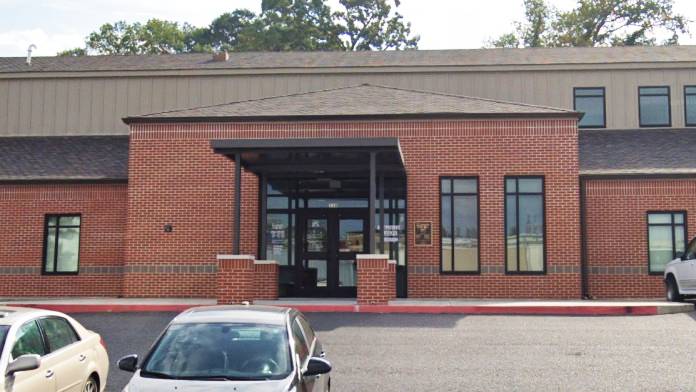
Counseling Clinic serves clients at its outpatient center on Pearson Street in Benton, Arkansas, with weekday hours, including extended evening availability Monday through Thursday. The clinic is staffed by licensed professionals providing comprehensive behavioral health and addiction treatment.
Payment options and insurance details are available upon inquiry.
Edited by:
Gayle Morris, BSN, MSN
Latest Reviews
Ashley was rude as hell, got hung up on 3 times before I even got her name. Been waiting an hour now to speak to anyone besides her snotty self. Not sure ill even try again not sure id recommend you try them either. Again ASHLEY IS RUDE AS HELL. see you next Tuesday type rude
Nice to talk, but they didn’t schedule me with a dr. Visit costs $200. Made me an appointment with a dr for next week which will cost $200! Why waste my time and money?! I called for a dr the first time. I literally told the appointment setter that I needed meds! I hate businesses that only want money! Front desk person has 0 customer service.
I needed help! Now I have to spend $200 additional going to get the help that I requested the first time! I’m going somewhere else though because I don’t do business with shady unprofessional companies.
0 stars would be preferable. These people aren't any real help at all. I'm not convinced they didn't get certifications from cereal boxes. If you have serious or lifelong issues, please save yourself the time and money and go elsewhere.

Rehab Score
 Our Methodology
Scoring is assigned by a proprietary system which helps surface key metrics that determine quality. The 10-point scale factors in categories such as operations, customer satisfaction, and trust metrics. Read Full Methodology

6.3 / 10
Gallery
Accepted Insurance
Other Forms of Payment
Private insurance refers to any kind of healthcare coverage that isn't from the state or federal government. This includes individual and family plans offered by an employer or purchased from the Insurance Marketplace. Every plan will have different requirements and out of pocket costs so be sure to get the full details before you start treatment.
Self-pay involves paying for treatment out of your own pocket. You can use savings or credit, get a personal loan, or receive help from family and friends to fund your treatment. If you don't have insurance or your insurance plan doesn't cover a specific program, self-pay can help ensure you still get the care you need.
Financial aid can take many forms. Centers may have grants or scholarships available to clients who meet eligibility requirements. Programs that receive SAMHSA grants may have financial aid available for those who need treatment as well. Grants and scholarships can help you pai for treatment without having to repay.
Medicare is a federal program that provides health insurance for those 65 and older. It also serves people under 65 with chronic and disabling health challenges. To use Medicare for addiction treatment you need to find a program that accepts Medicare and is in network with your plan. Out of pocket costs and preauthorization requirements vary, so always check with your provider.
Medicaid is a state based program that helps lower-income individuals and families pay for healthcare. Medicaid covers addiction treatment so those enrolled can use their coverage to pay for rehab. When a program accepts Medicaid the client often pays very little or nothing out of their own pocket.
Military members, veterans, and eligible dependents have access to specific insurance programs that help them get the care they need. TRICARE and VA insurance can help you access low cost or no cost addiction and mental health treatment. Programs that accept military insurance often have targeted treatment focused on the unique challenges military members, veterans, and their families face.
Addiction Treatments
Levels of Care
Outpatient Programs (OP) are for those seeking mental rehab or drug rehab, but who also stay at home every night. The main difference between outpatient treatment (OP) and intensive outpatient treatment (IOP) lies in the amount of hours the patient spends at the facility. Most of the time an outpatient program is designed for someone who has completed an inpatient stay and is looking to continue their growth in recovery. Outpatient is not meant to be the starting point, it is commonly referred to as aftercare.
Residential treatment programs are those that offer housing and meals in addition to substance abuse treatment. Rehab facilities that offer residential treatment allow patients to focus solely on recovery, in an environment totally separate from their lives. Some rehab centers specialize in short-term residential treatment (a few days to a week or two), while others solely provide treatment on a long-term basis (several weeks to months). Some offer both, and tailor treatment to the patient's individual requirements. Generations is a comprehensive inpatient treatment program designed for adults and senior adults housed on the 6th floor of Saline Memorial Hospital. These services are provided by Psychiatrists, Mental Health Professionals and Paraprofessionals. Second Change Youth Ranch is licensed by the Arkansas Department of Human Services as a Residential Child Care Facility. Counseling Clinic Inc. became responsible for their mental health component in June of 2013. It has a current capacity of 27 youth in residential group homes. Second Chance Ranch also has an independent living program in Bryant that has capacity of 8.
Clients in addiction recovery typically require robust, ongoing support, which rehab aftercare programs are designed to provide. These programs are premised on the idea that clients' mental, emotional, physical, social, and financial wellbeing is essential to recovery. Clients collaborate with their case managers and addiction recovery team to identify the rehab aftercare services they will need to thrive while in recovery. Clients may receive peer coaching, career counseling, and 12 step program induction, among other services.
12 step programs are designed to foster participants' recovery through spiritual development, promoting healing in mind, body, and spirit. Participants engage in 12 step meetings, which are free, anonymous, and accessible daily, including evening, night, and weekend group sessions. Participants also self-select a sponsor to support them throughout their recovery journey. Though rooted in spiritual principles, participants do not have to be religiously-affiliated. Specialized formats, including gender and age-specific ones, are available.
A sober living home in Arkansas provides a safe, sober-living scenario for those in recovery. If you have concerns about returning to daily life after treatment, this might be a good option for you to make a slower transition. You'll live with others in recovery, abide by strict halfway house rules, and maintain responsibilities through work and household chores. Your length of stay is flexible based on personal needs.
During many phases of addiction treatment, you'll need to receive 24-hour clinical care in Arkansas. This supervision ensures your safety during the detox process. Licensed medical professionals and experienced addiction specialists provide medication management, non-addictive medication to curb withdrawal symptoms, and frequent monitoring of vital signs.
The process of a medically assisted detox is when all addictive substances are removed from your body. Usually performed in an inpatient setting, you are under the 24/7 care of licensed medical medical professionals who keep you safe and comfortable during the detoxification. Medications are often administered to help alleviate potential withdrawal symptoms.The process can vary in length, but it typically takes 5-7 days.
Treatments
The goal of treatment for alcoholism is abstinence. Those with poor social support, poor motivation, or psychiatric disorders tend to relapse within a few years of treatment. For these people, success is measured by longer periods of abstinence, reduced use of alcohol, better health, and improved social functioning. Recovery and Maintenance are usually based on 12 step programs and AA meetings.
The goal of drug rehab in Arkansas is to help individuals stop using addictive substances and learn healthy ways to remain clean long-term. Participants learn vital skills to cope with cravings and manage stress, to prevent relapse.
Many of those suffering from addiction also suffer from mental or emotional illnesses like schizophrenia, bipolar disorder, depression, or anxiety disorders. Rehab and other substance abuse facilities treating those with a dual diagnosis or co-occurring disorder administer psychiatric treatment to address the person's mental health issue in addition to drug and alcohol rehabilitation.
A combined mental health and substance abuse rehab has the staff and resources available to handle individuals with both mental health and substance abuse issues. It can be challenging to determine where a specific symptom stems from (a mental health issue or an issue related to substance abuse), so mental health and substance abuse professionals are helpful in detangling symptoms and keeping treatment on track.
Opioid rehabs specialize in supporting those recovering from opioid addiction. They treat those suffering from addiction to illegal opioids like heroin, as well as prescription drugs like oxycodone. These centers typically combine both physical as well as mental and emotional support to help stop addiction. Physical support often includes medical detox and subsequent medical support (including medication), and mental support includes in-depth therapy to address the underlying causes of addiction.
Programs
Adult rehab programs include therapies tailored to each client's specific needs, goals, and recovery progress. They are tailored to the specific challenges adult clients may face, including family and work pressures and commitments. From inpatient and residential treatment to various levels of outpatient services, there are many options available. Some facilities also help adults work through co-occurring conditions, like anxiety, that can accompany addiction.
Young adulthood can be an exciting, yet difficult, time of transition. Individuals in their late teens to mid-20s face unique stressors related to school, jobs, families, and social circles, which can lead to a rise in substance use. Rehab centers with dedicated young adult programs will include activities and amenities that cater to this age group, with an emphasis on specialized counseling, peer socialization, and ongoing aftercare.
Recovery is most successful when clients feel accepted and validated by their peers and treatment providers. Facilities that offer LGBTQ-inclusive programming are committed to creating a safe space where everyone can grow and recover without fear of judgment or discrimination. They will have dedicated policies in place to create a safe and supportive environment that fosters free expression.
Serving in the military is both mentally and physically challenging, and can result in trauma that persists even after combat ends. Military programs are tailored to the specific and often complex needs of active duty personnel, veterans, and military families. Clients often access these programs through the U.S. Department of Veterans Affairs (VA).
Clinical Services
Group therapy is any therapeutic work that happens in a group (not one-on-one). There are a number of different group therapy modalities, including support groups, experiential therapy, psycho-education, and more. Group therapy involves treatment as well as processing interaction between group members.
In individual therapy, a patient meets one-on-one with a trained psychologist or counselor. Therapy is a pivotal part of effective substance abuse treatment, as it often covers root causes of addiction, including challenges faced by the patient in their social, family, and work/school life.
Whether a marriage or other committed relationship, an intimate partnership is one of the most important aspects of a person's life. Drug and alcohol addiction affects both members of a couple in deep and meaningful ways, as does rehab and recovery. Couples therapy and other couples-focused treatment programs are significant parts of exploring triggers of addiction, as well as learning how to build healthy patterns to support ongoing sobriety.
Research clearly demonstrates that recovery is far more successful and sustainable when loved ones like family members participate in rehab and substance abuse treatment. Genetic factors may be at play when it comes to drug and alcohol addiction, as well as mental health issues. Family dynamics often play a critical role in addiction triggers, and if properly educated, family members can be a strong source of support when it comes to rehabilitation.
Amenities
-
 Private Setting
Staff & Accreditations
Staff
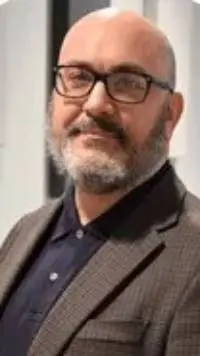
Robert Bennett, LCSW
CEO
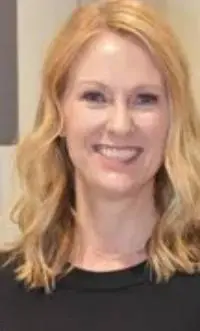
Le Ann Glenn, MBA
CFO
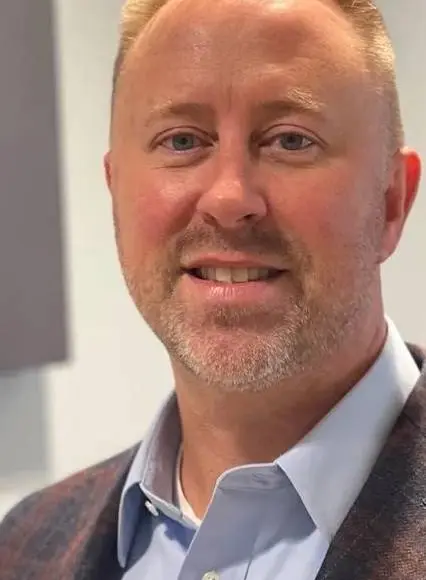
Tony Sisson, LPC
Director of Outpatient & Youth Services

Holli Browning, LCSW
Director of Small Group Therapy
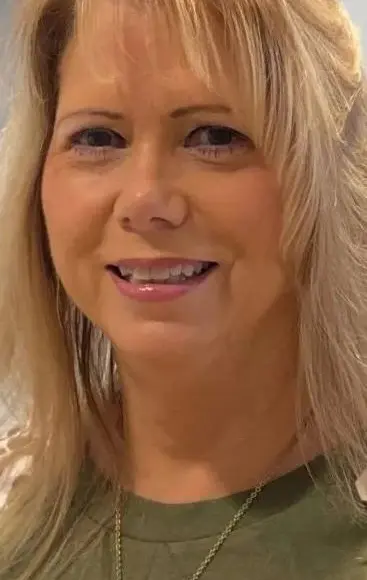
Sherri Weaver
Human Resources Director
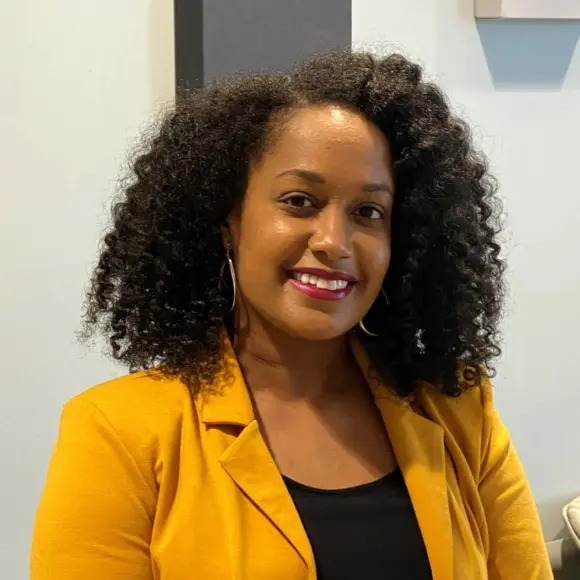
Krishna Watson, LPC
Director of Quality Assurance Program
Chad Strike, LCSW
Director of Second Chance Youth Ranch Program
Accreditations

The Commission on Accreditation of Rehabilitation Facilities (CARF) is a non-profit organization that specifically accredits rehab organizations. Founded in 1966, CARF's, mission is to help service providers like rehab facilities maintain high standards of care.
CARF Accreditation: Yes
Contact Information

110 Pearson Street
Benton, AR 72015
Get Help Now - 501-575-0717
Sponsored Helpline
Sponsored Helpline

