

























































About UNC Health Care Addiction Treatment Center at WakeBrook
UNC Health Care Addiction Treatment Center at WakeBrook in Raleigh, North Carolina, provides drug rehab and mental health services when you are aged 18 and older. They primarily offer care to Wake County residents and people in the surrounding areas, as well as people in crisis or experiencing mental health emergencies.
They offer various payment options, including Medicaid and many other major health insurance plans. Self pay and sliding scale payment options are available when you are eligible. However, you may have access to certain services, like crisis and emergency care, regardless of your ability to pay.
A Full Continuum of Addiction Treatment Services
They provide comprehensive support in your recovery journey, including crisis and assessment services when you find yourself in urgent situations. The center offers 24/7 walk in evaluations for mental health and substance use concerns. I like that they also provide immediate intensive care for psychiatric crises and drug overdose.
Meanwhile, the detox center and stabilization unit offer medically supervised support when you are experiencing an acute crisis. This is critical as your system detoxes from addictive substances. The process ensures your safety and comfort as you manage withdrawal symptoms and cravings.
Residential Treatment Program
After completing detox or crisis care, you have the opportunity to transition onto the residential program. This option is ideal when you are seeking short term, structured support and stabilization.
They also provide flexible outpatient services with recovery planning, and individual and group therapy as part of an integrated approach to treatment.
Comprehensive Support in North Carolina’s Capital
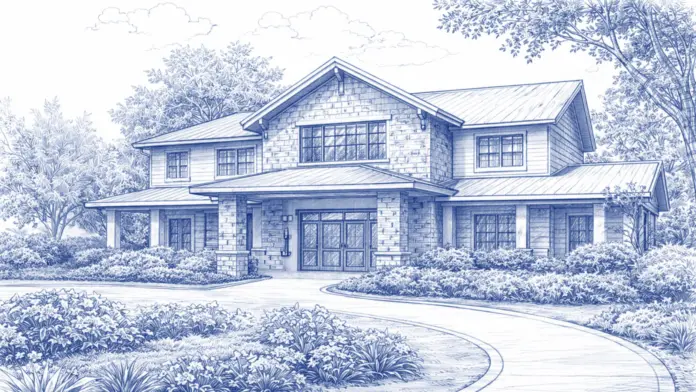
You can receive medical and therapeutic support in this purpose built, modern facility. You benefit from consistent care throughout your entire recovery journey, informed by UNC Health Care expertise and the latest research.
Latest Reviews



Rehab Score
 Our Methodology


Location
Accepted Insurance

Other Forms of Payment
Private insurance refers to any kind of healthcare coverage that isn't from the state or federal government. This includes individual and family plans offered by an employer or purchased from the Insurance Marketplace. Every plan will have different requirements and out of pocket costs so be sure to get the full details before you start treatment.
Medicaid is a state based program that helps lower-income individuals and families pay for healthcare. Medicaid covers addiction treatment so those enrolled can use their coverage to pay for rehab. When a program accepts Medicaid the client often pays very little or nothing out of their own pocket.
Self-pay involves paying for treatment out of your own pocket. You can use savings or credit, get a personal loan, or receive help from family and friends to fund your treatment. If you don't have insurance or your insurance plan doesn't cover a specific program, self-pay can help ensure you still get the care you need.
Addiction Treatments
Levels of Care
Clients receiving treatment at an inpatient rehab facility are typically in early recovery or are at heightened risk of relapse. Clients in inpatient care remain at the facility for the duration of their program, enabling them to focus solely on their recovery. Inpatient treatment typically involves extensive psychotherapy, often including group and family counseling as well as one-on-one sessions. Recovery-focused life skills education is another common service. Many rehabs also offer evidence-based holistic therapies.
Clients who are exiting detox or stepping down from intensive inpatient care typically transition directly into outpatient treatment. Outpatient programs are designed to allow clients to either re-enter or remain in their communities while receiving robust, personalized care. Many facilities offer evening, night, or weekend services to accommodate clients' home and work schedules. The most common outpatient treatment modalities include psychotherapy, recovery-focused life skills training, and medication assisted treatment (MAT).
Treatments
Alcohol use disorder, commonly called alcoholism, involves an inability to control the amount or frequency you drink and feeling withdrawal symptoms when you don't drink. Treatment for alcohol addiction may involve residential or outpatient alcohol rehab in North Carolina, counseling, or 12-step programs. Typically, some form of professional treatment and support is necessary to achieve long-term recovery.
There are many types of drug rehab in North Carolina. To receive treatment for addiction, you can choose from many inpatient and outpatient programs. Often, participants start with detox and work through a full continuum of care that continues with ongoing support for long-term recovery.
 Opioid Addiction
Clinical Services
Clients who receive cognitive behavioral therapy in North Carolina typically attend five to 20 sessions. During this time, they work with their therapist to learn healthier patterns of thinking, which can help them change their behavior related to substance use.
Counseling that applies dialectical behavior therapy teaches you coping skills to apply to your daily life. The focus is on intense emotions and developing coping mechanisms to manage them. Therapy sessions are a series of teaching lessons that help you develop these coping skills.
Contact Information


107 Sunnybrook Rd, Raleigh, NC 27610
Sponsored Helpline

