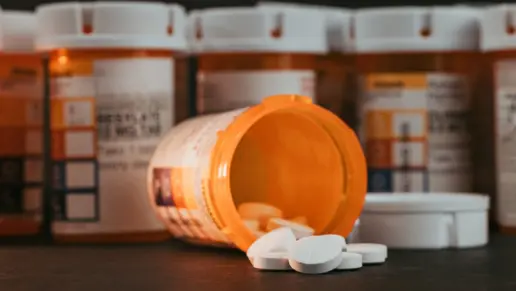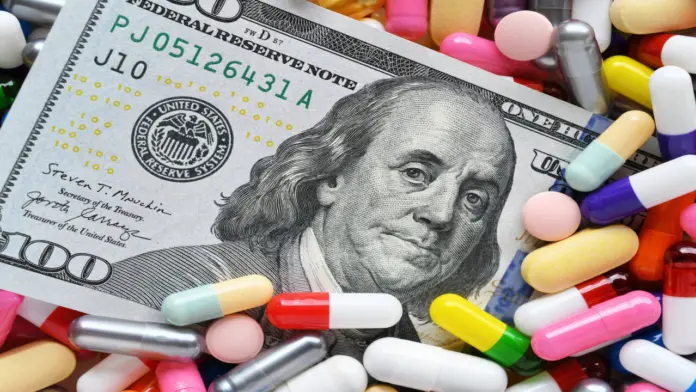
The US controlled substance market is projected to grow from $31 billion to $52 billion over the next decade, according to a report from Precedence Research covered by Drug Topics.
Part of that growth is tied directly to medications used to treat opioid use disorder.
For anyone comparing rehab centers or weighing treatment options, the report is a reminder that the medications central to modern recovery are a large and expanding part of American health care, not a niche corner of it.
What the Forecast Actually Measures
The report groups four categories together: opioids for pain, stimulants, sedatives and addiction treatment medications.
All move through tightly regulated supply chains. The authors cite SAMHSA’s 2024 National Survey on Drug Use and Health, which found that roughly 48.4 million Americans aged 12 and older had a substance use disorder.
Opioids held the largest share of the market in 2025, but stimulants are projected to grow fastest as ADHD diagnoses rise nationally.
Rising rates of chronic pain, ADHD and substance use disorders are all named as forces pushing the market upward.
Why Addiction Treatment Medication Is a Growth Driver
The report singles out medications for opioid use disorder as a meaningful driver. Drug Topics, citing the Journal of the American College of Clinical Pharmacy, notes that four out of five adults with opioid use disorder do not currently receive medication for it.
That gap matters for treatment decisions. Medication-assisted treatment combines FDA-approved medications such as buprenorphine, methadone, and naltrexone with counseling and behavioral support.
The evidence base for this approach in opioid use disorder is strong, and closing the treatment gap is a public health priority.
The report also points to the 2023 Mainstreaming Addiction Treatment Act, which removed the old X-waiver requirement.
With that barrier gone, more clinicians, including pharmacists working alongside care teams, can start patients on these therapies.
The Cost Behind the Numbers
The financial scale is sobering. Drug Topics reports that the total cost of drug misuse in the US, counting health care, crime and lost productivity, is estimated at $820 billion a year.
The opioid crisis has been linked to more than 1 million deaths since 1999. The report also notes the role of long-term recovery support.
Recovery high schools, collegiate recovery programs and recovery community centers help people sustain the changes they make in treatment, often making the difference between lasting recovery and relapse.
What This Means for Treatment Seekers
The takeaway for people researching care is practical: the medications and support services that anchor modern addiction treatment are widely used and increasingly accessible.
If you or a loved one is considering treatment, it is worth asking whether a program offers medication-assisted treatment, how it is supervised, and how it connects to longer-term recovery support.
Finding the Right Rehab
As you compare options, consider verifying a facility’s credentials, asking which evidence-based therapies it offers, and checking how treatment will be covered.
Understanding what a program includes before you enroll can make the decision clearer and less stressful.
Rehab.com features a nationwide directory of verified treatment centers, making it easier to find trusted care. Call
800-985-8516
(  Sponsored Helpline )
to talk through programs that may fit your needs.
Sponsored Helpline )
to talk through programs that may fit your needs.