






























































































The help I get from my counselor helps me a great deal with the problems I have in dealing with a number of problems I have. Living in a group home has many drawbacks including sharing a bathroom with 2 men. I have always lived alone, sharing only with a cat.
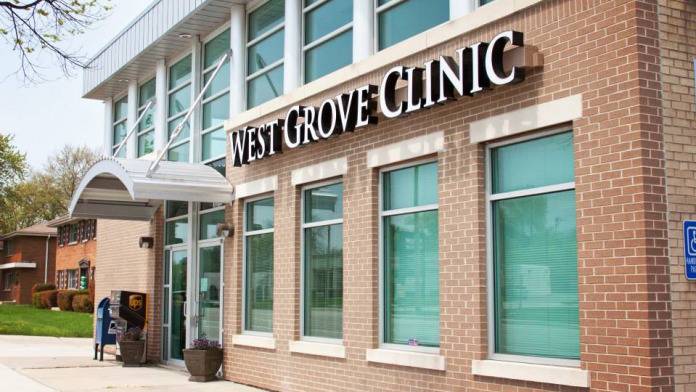
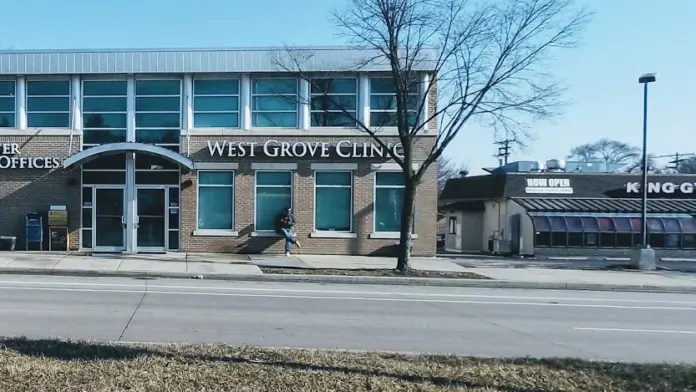
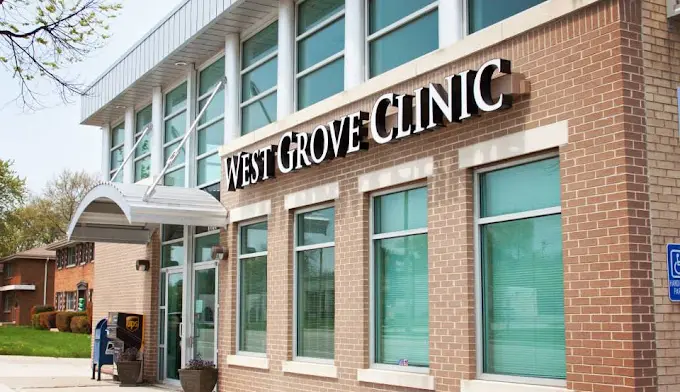
About West Grove Clinic, SC
Their MAT program helps individuals who are struggling with chemical dependency. Here, they use Suboxone, Vivitrol, and Sublocade to help with cravings and withdrawals and create more stability. These meds can help improve brain function and obstruct the blissful effects of opiates/opioids. Part of this treatment will include behavioral and psychotherapy. Healing these major areas of your life and receiving support can reduce the likelihood of a relapse and prevent overdoses.
Relationship counseling can give you a chance for you and your partner to heal together. This can improve your problem solving skills, strive for relationship goals, be provided with guidance, rebuild trust, and this can create more intimacy. This can help you understand one another and strengthen your communication skills.
Transcranial magnetic stimulation (TMS) is a procedure that uses a medical device that sends electrical pulses to the brain. This can help reset certain areas of your brain and create stimulation. This is a noninvasive procedure and can help with depression and help with mood regulation.
Known as the City of Festivals, Milwaukee offers many opportunities for sober recreation as you begin your new life of sobriety. Year-round, there are events to attend and places to visit. If you enjoy history and culture, you can schedule a visit to the Milwaukee Art Museum. There’s also a great trail system here, with many walking paths that offer sweeping views of the local landscape and the Milwaukee River.
Latest Reviews
Anna Boteva of West Grove Clinic has truly outstanding therapists. Her empathy and professionalism create a space where I feel safe, understood, and supported. She listens with care and offers insightful guidance that has made a real difference in my life. I also want to acknowledge Dr. Kurter, whose expertise and approach are equally commendable. The staff at West Grove Clinic are warm and professional, contributing to an atmosphere of trust and comfort. I highly recommend Anna Boteva—and the entire team—to anyone seeking quality mental health care.
Response from the owner3 weeks ago
Thank you so much for your review! We try to do our best with every client.
Anna at Westgrove has truly made an impact on my life and has enabled me to work on my mental health and strive to be a better person day after day. I truly appreciate the work she puts into helping me reach my full potential!
At Westgrove, our goal is to provide thoughtful, compassionate care that supports each person’s growth and well-being. It is wonderful to know that you feel supported in working toward your mental health goals and becoming the best version of yourself. That dedication and effort come from you, and we are honored to be part of your journey.
We sincerely appreciate your trust in our team and your willingness to share your experience.
Response from the owner3 weeks ago
Thank you so much for your kind words and for taking the time to share your experience. We are truly grateful to hear how meaningful your work with Anna has been.At Westgrove, our goal is to provide thoughtful, compassionate care that supports each person’s growth and well-being. It is wonderful to know that you feel supported in working toward your mental health goals and becoming the best version of yourself. That dedication and effort come from you, and we are honored to be part of your journey.
We sincerely appreciate your trust in our team and your willingness to share your experience.
I’ve been a patient of West Grove in Oak Creek for around 5 years, maybe longer. In the beginning I saw various providers for my psychiatry needs, but have been connected and consistently seeing Dr. Kurter for around 3 years now. Wow! He changed my life. I am so thankful to have him as a provider. When we met, he reassured me that there was help for what I was seeking help with and was able to connect me with medication that has made a drastic change in how I see the world. I struggled for years and years with my mental health, and what I appreciated about him was that he was so knowledgeable about what I was experiencing and could explain to me in a way that I could understand why I was experiencing certain things as well as how I could help myself and how to monitor myself in the future. He was also so helpful to me and my family when my husband and I decided to try for another baby. I think what’s kind of cool is Dr. Kurter knows me so well that he can tell when I’m struggling with my mental health or other needs based off of just a few minutes of talking.
I’ve also been connected with my therapist Anna for 2-3 years now. She is amazing! She listens to me so well, and doesn’t push me too hard to get to deep into the things I need to address until I’m ready. She’s seen me at some low moments, and has taught me how to work through those times and always emphasizes taking care of myself.
I also appreciate Elizabeth at the front desk. She knows me by my nick name, since I don’t generally go by my full name, and I seriously appreciate that because i don’t have to explain who I am over and over again, she just knows. Elizabeth always helps me schedule appointments out months at a time, which is super helpful for my scheduling needs. Honestly, Dr. Kurter and Anna are always super flexible in their scheduling as well, which is super helpful. Elizabeth also helps me figure out any insurance questions I have, which is so helpful because I can be kind of clueless about co pays and all that stuff.
I also forgot to mention, I absolutely love that I can see my therapist through telehealth. I have a newborn and it’s just much easier to not have to travel with her when I have an appointment.
I love West Grove so much and appreciate what they’ve done for my life so much that I’ve actually referred 2 other people for care here. I truly mean it when I say, if you’re looking for providers who care about you as a whole person, I definitely recommend going to West Grove.
It means a great deal to hear how your work with Dr. Kurter and Anna has made a positive impact on your life. Our goal is always to provide compassionate, individualized care and to ensure that patients feel heard, understood, and supported. Knowing that you feel empowered in managing your mental health and confident in your treatment plan is incredibly meaningful to us.
We also appreciate your recognition of Elizabeth and our front desk team. Creating a welcoming, organized, and supportive environment from the first phone call to each appointment is something we value deeply. We are glad that scheduling, insurance assistance, and telehealth options have helped make your care more accessible and convenient, especially during such an important time in your life.
Thank you as well for referring others to our clinic. There is no greater compliment than the trust of our patients and their families. We are sincerely grateful to be part of your journey and look forward to continuing to support you.
Response from the owner3 weeks ago
Thank you for taking the time to share such a thoughtful and heartfelt review. We are truly honored by your kind words and grateful that you have trusted West Grove with your care over the years.It means a great deal to hear how your work with Dr. Kurter and Anna has made a positive impact on your life. Our goal is always to provide compassionate, individualized care and to ensure that patients feel heard, understood, and supported. Knowing that you feel empowered in managing your mental health and confident in your treatment plan is incredibly meaningful to us.
We also appreciate your recognition of Elizabeth and our front desk team. Creating a welcoming, organized, and supportive environment from the first phone call to each appointment is something we value deeply. We are glad that scheduling, insurance assistance, and telehealth options have helped make your care more accessible and convenient, especially during such an important time in your life.
Thank you as well for referring others to our clinic. There is no greater compliment than the trust of our patients and their families. We are sincerely grateful to be part of your journey and look forward to continuing to support you.

Rehab Score
 Our Methodology
Scoring is assigned by a proprietary system which helps surface key metrics that determine quality. The 10-point scale factors in categories such as operations, customer satisfaction, and trust metrics. Read Full Methodology

7.1 / 10
Gallery
Other Forms of Payment
Private insurance refers to any kind of healthcare coverage that isn't from the state or federal government. This includes individual and family plans offered by an employer or purchased from the Insurance Marketplace. Every plan will have different requirements and out of pocket costs so be sure to get the full details before you start treatment.
Self-pay involves paying for treatment out of your own pocket. You can use savings or credit, get a personal loan, or receive help from family and friends to fund your treatment. If you don't have insurance or your insurance plan doesn't cover a specific program, self-pay can help ensure you still get the care you need.
Military members, veterans, and eligible dependents have access to specific insurance programs that help them get the care they need. TRICARE and VA insurance can help you access low cost or no cost addiction and mental health treatment. Programs that accept military insurance often have targeted treatment focused on the unique challenges military members, veterans, and their families face.
Medicaid is a state based program that helps lower-income individuals and families pay for healthcare. Medicaid covers addiction treatment so those enrolled can use their coverage to pay for rehab. When a program accepts Medicaid the client often pays very little or nothing out of their own pocket.
Addiction Treatments
Levels of Care
Inpatient rehab is designed to stabilize clients who are exiting detox or those who are in some form of crisis. They are an important preliminary step designed to prepare clients for outpatient, sober living, or community-based care. Clients live at the treatment center and engage in intensive addiction counseling. Group and family therapy is common. Many programs also emphasize recovery-focused life skills training to support clients' sustained sobriety. Some programs offer evidence-based holistic therapies, such as meditation.
Intensive outpatient programs (IOP) support clients' return to their community following inpatient treatment and may also offer an alternative to hospitalization for clients who are relatively stable following detox. Many intensive outpatient rehabs require clients to participate in a minimum of nine and a maximum of 20 treatment hours weekly. IOP services are also highly customizable and typically include a combination of addiction counseling, recovery-focused life skills training, medication assisted treatment (MAT), and holistic therapies such as meditation.
Medical detox involves weaning your body off drugs and/or alcohol in an inpatient setting, and is often the first step in addiction recovery. Quitting alcohol and certain drugs (like benzodiazepines or opioids) can cause dangerous side effects once you have become physically dependent. In medically assisted detox, a team of on-site healthcare professionals will work to keep you safe and comfortable during this process. Additionally, they may administer medications when needed to alleviate any withdrawal symptoms.
Treatments
Many of those suffering from addiction also suffer from mental or emotional illnesses like schizophrenia, bipolar disorder, depression, or anxiety disorders. Rehab and other substance abuse facilities treating those with a dual diagnosis or co-occurring disorder administer psychiatric treatment to address the person's mental health issue in addition to drug and alcohol rehabilitation.
Mental health rehabs focus on helping individuals recover from mental illnesses like bipolar disorder, clinical depression, anxiety disorders, schizophrenia, and more. Mental health professionals at these facilities are trained to understand and treat mental health issues, both in individual and group settings.
Programs
Adult rehab programs include therapies tailored to each client's specific needs, goals, and recovery progress. They are tailored to the specific challenges adult clients may face, including family and work pressures and commitments. From inpatient and residential treatment to various levels of outpatient services, there are many options available. Some facilities also help adults work through co-occurring conditions, like anxiety, that can accompany addiction.
Young adulthood can be an exciting, yet difficult, time of transition. Individuals in their late teens to mid-20s face unique stressors related to school, jobs, families, and social circles, which can lead to a rise in substance use. Rehab centers with dedicated young adult programs will include activities and amenities that cater to this age group, with an emphasis on specialized counseling, peer socialization, and ongoing aftercare.
Clinical Services
Cognitive Behavioral Therapy (CBT) is a therapy modality that focuses on the relationship between one's thoughts, feelings, and behaviors. It is used to establish and allow for healthy responses to thoughts and feelings (instead of unhealthy responses, like using drugs or alcohol). CBT has been proven effective for recovering addicts of all kinds, and is used to strengthen a patient's own self-awareness and ability to self-regulate. CBT allows individuals to monitor their own emotional state, become more adept at communicating with others, and manage stress without needing to engage in substance abuse.
Dialectical Behavior Therapy (DBT) is a modified form of Cognitive Behavioral Therapy (CBT), a treatment designed to help people understand and ultimately affect the relationship between their thoughts, feelings, and behaviors. DBT is often used for individuals who struggle with self-harm behaviors, such as self-mutilation (cutting) and suicidal thoughts, urges, or attempts. It has been proven clinically effective for those who struggle with out-of-control emotions and mental health illnesses like Borderline Personality Disorder.
Group therapy is any therapeutic work that happens in a group (not one-on-one). There are a number of different group therapy modalities, including support groups, experiential therapy, psycho-education, and more. Group therapy involves treatment as well as processing interaction between group members.
In individual therapy, a patient meets one-on-one with a trained psychologist or counselor. Therapy is a pivotal part of effective substance abuse treatment, as it often covers root causes of addiction, including challenges faced by the patient in their social, family, and work/school life.
Trauma therapy addresses traumatic incidents from a client's past that are likely affecting their present-day experience. Trauma is often one of the primary triggers and potential causes of addiction, and can stem from child sexual abuse, domestic violence, having a parent with a mental illness, losing one or both parents at a young age, teenage or adult sexual assault, or any number of other factors. The purpose of trauma therapy is to allow a patient to process trauma and move through and past it, with the help of trained and compassionate mental health professionals.
Whether a marriage or other committed relationship, an intimate partnership is one of the most important aspects of a person's life. Drug and alcohol addiction affects both members of a couple in deep and meaningful ways, as does rehab and recovery. Couples therapy and other couples-focused treatment programs are significant parts of exploring triggers of addiction, as well as learning how to build healthy patterns to support ongoing sobriety.
 Eye Movement Desensitization And Reprocessing
Research clearly demonstrates that recovery is far more successful and sustainable when loved ones like family members participate in rehab and substance abuse treatment. Genetic factors may be at play when it comes to drug and alcohol addiction, as well as mental health issues. Family dynamics often play a critical role in addiction triggers, and if properly educated, family members can be a strong source of support when it comes to rehabilitation.
Addiction treatment in Wisconsin emphasizes life skills training to help you relearn critical capabilities for day to day life. This training helps you build healthy, positive strategies for everything from self care, to career, to interpersonal relationships.
During creative arts therapy in Wisconsin, your therapist will help you explore what you're feeling as you engage in art, music, writing, or dance activities. This can be a helpful way to process difficult situations and emotions during addiction recovery.
Staff

Selahattin Kurter, MD
Executive Director
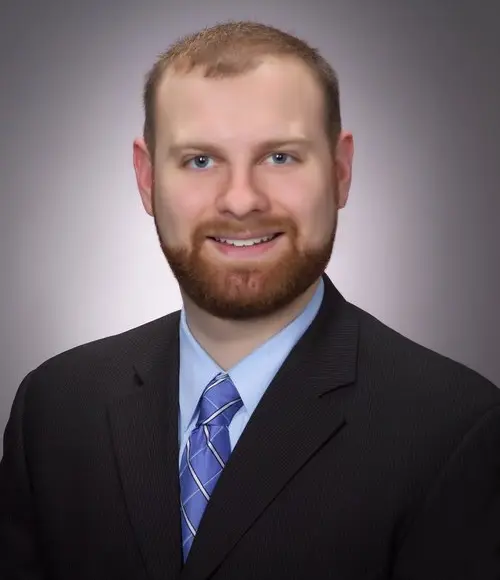
Nicholas Bracciano, MD
Medical Director of Intensive Outpatient Services
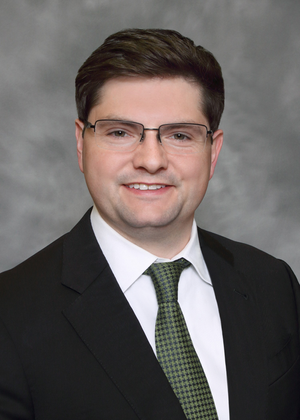
Brandon Neisewander, MD
Psychiatrist
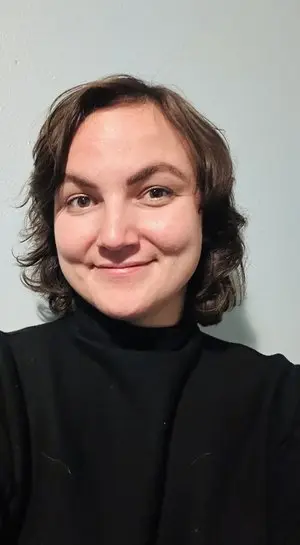
Jayme Servia, DNP, PMHNP-BC
Mental Health Nurse Practitioner
Rehab.com regularly reviews this listing for accuracy but changes may occur between updates. For the most up-to-date information, please contact West Grove Clinic, SC.
Contact Information

10012 West Capitol Drive
Suite 101
Milwaukee, WI 53222
Get Help Now - 414-295-9478
Sponsored Helpline
Sponsored Helpline


