




























































































About Workit Health
Workit Health is a virtual addiction treatment provider based in Ann Arbor, Michigan, offering online, medication based care to residents across the state.
Through a fully telehealth model, Michigan licensed clinicians provide outpatient treatment for opioid, alcohol and kratom or 7-OH dependence, along with support for co-occurring conditions.
Members appreciate the flexibility to get help without leaving work or family responsibilities.
Virtual Outpatient Addiction Treatment with Workit Health
Workit Health provides 100% virtual outpatient care with prescribing, monthly follow-ups, care-team messaging, guided recovery groups and peer support.
Medication assisted treatment includes Suboxone for opioid and kratom or 7-OH dependence and naltrexone or acamprosate for alcohol use disorder.
The program uses a harm reduction-first, evidence based approach rather than a required 12 step model.
Workit Health serves young adults and adults, both men and women, throughout Michigan.
Affordable Care that’s App-Based
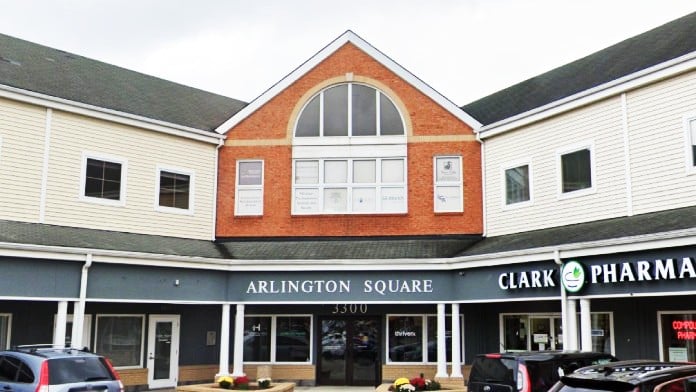
The Ann Arbor office at 3300 Washtenaw Ave Ste 280 serves as the Michigan registered office powering a statewide virtual program.
Workit Health accepts many Aetna, Cigna, BlueCross BlueShield, UnitedHealthcare and Humana plans, plus Medicaid and Medicare in select states.
Many members pay about $25 to $35 monthly with insurance and self-pay options are available.
Getting started is app-based: download the app, verify insurance or choose self-pay and complete a video visit where medication may begin.
Most members reach their first appointment within one to two days.
Latest Reviews



Rehab Score
 Our Methodology


Gallery
Accepted Insurance

Other Forms of Payment
Private insurance refers to any kind of healthcare coverage that isn't from the state or federal government. This includes individual and family plans offered by an employer or purchased from the Insurance Marketplace. Every plan will have different requirements and out of pocket costs so be sure to get the full details before you start treatment.
Self-pay involves paying for treatment out of your own pocket. You can use savings or credit, get a personal loan, or receive help from family and friends to fund your treatment. If you don't have insurance or your insurance plan doesn't cover a specific program, self-pay can help ensure you still get the care you need.
Financial aid can take many forms. Centers may have grants or scholarships available to clients who meet eligibility requirements. Programs that receive SAMHSA grants may have financial aid available for those who need treatment as well. Grants and scholarships can help you pai for treatment without having to repay.
Sliding scale payments are based on a client's income and family size. The goal is to make treatment affordable to everyone. By taking these factors into account, addiction recovery care providers help ensure that your treatment does not become a financial burden to you or your family, eliminating one barrier to care.
Medicaid is a state based program that helps lower-income individuals and families pay for healthcare. Medicaid covers addiction treatment so those enrolled can use their coverage to pay for rehab. When a program accepts Medicaid the client often pays very little or nothing out of their own pocket.
Medicare is a federal program that provides health insurance for those 65 and older. It also serves people under 65 with chronic and disabling health challenges. To use Medicare for addiction treatment you need to find a program that accepts Medicare and is in network with your plan. Out of pocket costs and preauthorization requirements vary, so always check with your provider.
Military members, veterans, and eligible dependents have access to specific insurance programs that help them get the care they need. TRICARE and VA insurance can help you access low cost or no cost addiction and mental health treatment. Programs that accept military insurance often have targeted treatment focused on the unique challenges military members, veterans, and their families face.
Addiction Treatments
Levels of Care
Outpatient Programs (OP) are for those seeking mental rehab or drug rehab, but who also stay at home every night. The main difference between outpatient treatment (OP) and intensive outpatient treatment (IOP) lies in the amount of hours the patient spends at the facility. Most of the time an outpatient program is designed for someone who has completed an inpatient stay and is looking to continue their growth in recovery. Outpatient is not meant to be the starting point, it is commonly referred to as aftercare.
Clients receiving care in an intensive outpatient program (IOP) typically have completed inpatient treatment, but some choose to enroll in IOP immediately following detox. Intensive outpatient rehabs offer high-level support for clients in early recovery and those at an increased risk of relapse. Most programs provide between nine and 20 hours of treatment per week, with services ranging from addiction counseling to recovery education to medication assisted treatment (MAT). Holistic therapies, such as acupuncture, are common.
Clients engaged in a rehab aftercare program have already completed high-level treatment and have begun to develop essential recovery skills. Rehab aftercare services are designed to support clients' sustained sobriety as they reintegrate into their home, workplace, and community. Case managers, care teams, and clients design the customized service portfolio that will best support the client's long-term sobriety. Clients may receive peer coaching, 12 step program induction, vocational training, and relapse prevention services.
During a drug intervention in Michigan, family, friends, and colleagues share in their own words how a person's substance abuse has affected their lives. An intervention must be carefully planned, with the goal of encouraging the individual to get treatment for their addiction. Many rehab programs offer intervention services to help families prepare for this confrontation and guide them through the recovery process.
During a medically supervised detox, addictive substances are removed from your body while under the 24/7 supervision of medical professionals in an inpatient environment. This is the safest way to wean your body off of addictive substances, since quitting alcohol or certain drugs (like opioids or benzodiazepines) can be dangerous if done on your own. The program typically lasts around 5-7 days, but is highly individualized depending on your needs.
Programs
Adult rehab programs include therapies tailored to each client's specific needs, goals, and recovery progress. They are tailored to the specific challenges adult clients may face, including family and work pressures and commitments. From inpatient and residential treatment to various levels of outpatient services, there are many options available. Some facilities also help adults work through co-occurring conditions, like anxiety, that can accompany addiction.
Clinical Services
Cognitive behavioral therapy in Michigan helps participants view challenges more clearly so they can respond to them in healthy ways. During a limited number of structured sessions, clients learn about and practice these changes to effectively address substance use and mental health disorders.
Addiction often involves intense situations and emotions. Dialectical behavior therapy helps you understand and regulate your emotions and better manage the situations that evoke those feelings. You'll receive mindfulness training and stress management training to cope more effectively with difficult emotions.
Group therapy sessions in Michigan allow you to share responsibility with your peers in a group setting. This fosters a collective commitment to achieve sobriety and learn coping skills that are essential to improving your relationships and reducing your stress levels.
Personalized therapy sessions for drug addiction emphasize understanding your background and behavioral triggers for substance use. Your therapist will collaborate with you to create an effective coping strategy and address underlying issues that clear the way for lasting change.
During motivational interviewing, therapists express empathy, support self efficacy, and develop discrepancies. By using these techniques, therapists help clients reflect on their desires for change and understand why and how they should move forward with those changes.
During trauma therapy in Michigan, you are guided through traumatic memories within a safe and supportive environment. Your therapist then provides you with tools to process traumatic events and reduce the symptoms that occur when you're exposed to a trigger. This improves your overall mental health and ability to function in the community.
Both internal and external factors can put stress on a relationship. Couples therapy helps you and your partner work through those stressors and find healthy ways to deal with challenges as they arise.
Family therapy is often recommended for family units with a member undergoing drug or alcohol rehabilitation. Family therapy helps to foster communication and conflict resolution that creates a supportive environment. This helps the loved one who is struggling with addiction.
To maintain a healthy and productive life, you need certain life skills. They help you make good decisions and build good relationships. Because they are key to long term recovery, most rehab programs in Michigan include integrated life skills training.
Quitting smoking is tough without the proper support. A good quit plan often includes nicotine replacement therapy. These products allow your body to adjust to a lack of nicotine, so you experience fewer cravings and less intense withdrawal symptoms.
Amenities
-
 Residential Setting
 -
 Private Rooms
Staff & Accreditations
Staff

Gil Kochman
CEO
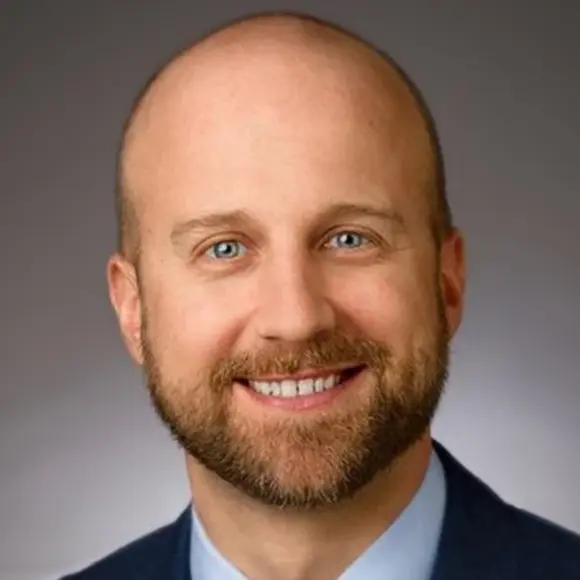
M. Justin Coffey, M.D.
Chief Medical Officer

Kali Lux
Senior VP of Growth and Brand

Steve Geiger
Senior VP of Product
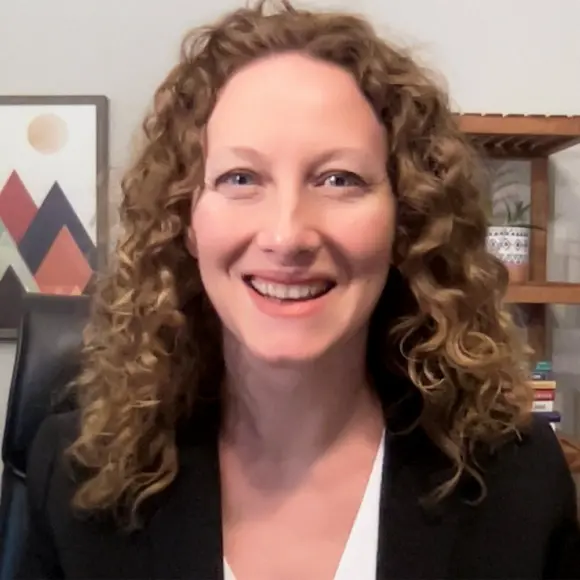
Kate Katz
Senior VP of Operations
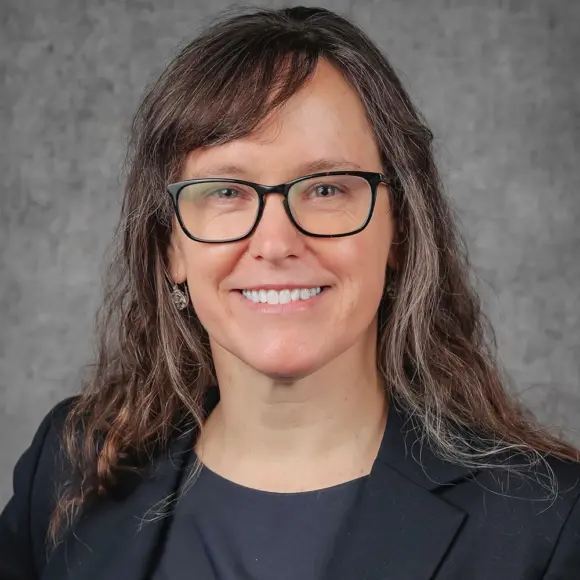
Eileen Barrett, MPH, MD
Senior Medical Director & VP of Quality
Shannon Brigham, PA-C
VP & Medical Director
Accreditations

The Commission on Accreditation of Rehabilitation Facilities (CARF) is a non-profit organization that specifically accredits rehab organizations. Founded in 1966, CARF's, mission is to help service providers like rehab facilities maintain high standards of care.
CARF Accreditation: Yes

LegitScript has reviewed Workit Health as part of their certification program, and has determined that it meets the LegitScript standards for legality, safety and transparency.
LegitScript verified in

State Licenses are permits issued by government agencies that allow rehab organizations to conduct business legally within a certain geographical area. Typically, the kind of program a rehab facility offers, along with its physical location, determines which licenses are required to operate legally.
State License: Michigan
Rehab.com regularly reviews this listing for accuracy but changes may occur between updates. For the most up-to-date information, please contact Workit Health.
Contact Information


3300 Washtenaw Ave
Ste 280
Ann Arbor, MI 48104
Sponsored Helpline


