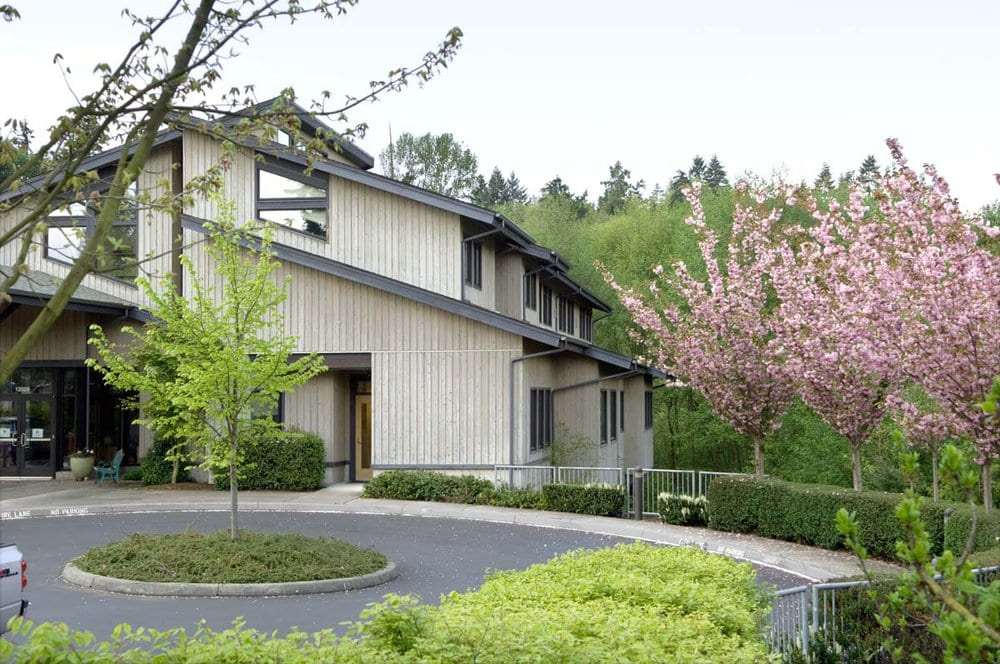
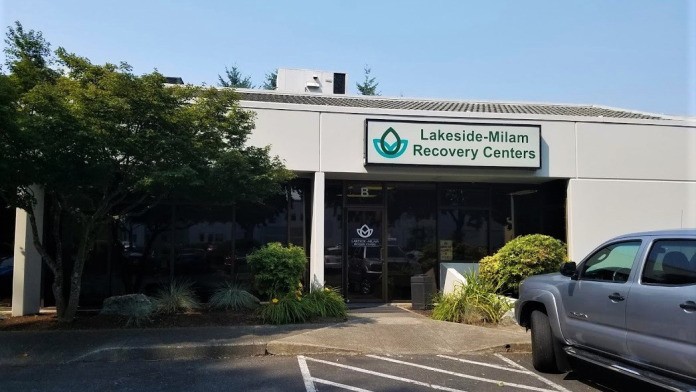
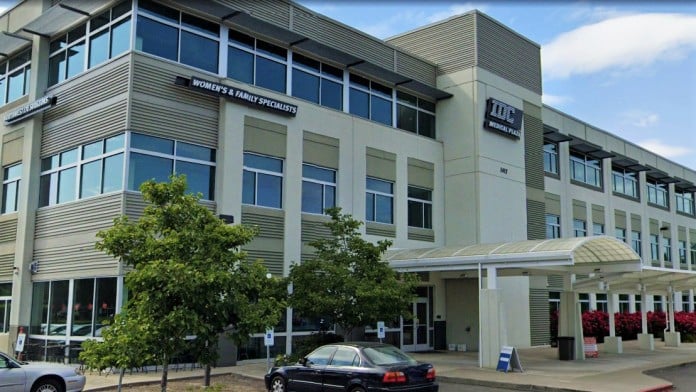
The Center - A Place of HOPE
1
Top 10 Rehab In Edmonds
















































































The 23rd and Cherry Fellowship Hall is a nonprofit peer support center in Seattle’s Central District providing a clean and sober community space for people in recovery from alcohol and drug use.
The hall hosts daily AA and NA meetings including gender specific groups and serves anyone seeking to maintain or build a sober lifestyle. The hall stands as Seattle’s first predominantly Black fellowship hall and offers a culturally rooted and welcoming environment.
The hall centers its mission on providing a safe and stimulating environment where people in recovery can gather for mutual support. The hall hosts multiple AA and Narcotics Anonymous meetings daily, with options for women only and men only groups plus special events like monthly Birthday Nights and holiday Alcathons.
The hall itself serves as more than a meeting space as it also serves as a sober community hub where individuals can drop in and connect with others on the same journey.
As one of the oldest Black owned institutions remaining in Seattle’s Central Area, 23rd & Cherry Fellowship Hall brings decades of community trust and cultural perspective to its recovery work. Most meetings are hybrid, combining in-person attendance with Zoom access to expand reach across the Seattle area and beyond.
The hall operates as a community fellowship space with no clinical services or formal treatment programs. Meetings are open to anyone committed to sobriety, typically at no cost or by donation.


 Our Methodology


Private insurance refers to any kind of healthcare coverage that isn't from the state or federal government. This includes individual and family plans offered by an employer or purchased from the Insurance Marketplace. Every plan will have different requirements and out of pocket costs so be sure to get the full details before you start treatment.
Self-pay involves paying for treatment out of your own pocket. You can use savings or credit, get a personal loan, or receive help from family and friends to fund your treatment. If you don't have insurance or your insurance plan doesn't cover a specific program, self-pay can help ensure you still get the care you need.
Sliding scale payments are based on a client's income and family size. The goal is to make treatment affordable to everyone. By taking these factors into account, addiction recovery care providers help ensure that your treatment does not become a financial burden to you or your family, eliminating one barrier to care.
Effective drug rehab in Washington integrates care for the whole person, offering comprehensive solutions to addiction. Treatment methods address mental, physical, and relational aspects of substance abuse.
Inpatient and outpatient drug and alcohol rehabs are typically the best option if you're looking for substance abuse treatment in Washington. These programs employ evidence-based therapies such as cognitive-behavioral therapy (CBT), dialectical behavior therapy (DBT), and holistic approaches to help you overcome addiction, enhance your coping skills, and promote your mental health. Together, you'll learn the vital skills to support long-term sobriety and overall well-being.
If you have both a substance abuse problem and a mental health disorder like depression, bipolar disorder, or anxiety, it is known as a co-occurring disorder or a dual diagnosis. Dealing with substance abuse, alcoholism, or drug addiction is already difficult, but it becomes even more difficult when you combine addiction with mental health problems. That's why it's essential to treat both conditions at the same time.
Washington's specialized dual-diagnosis addiction treatment programs provide inpatient and intensive outpatient care for individuals with co-occurring substance use disorders and mental health conditions. Treatment generally includes psychiatric evaluations and individualized treatment planning, evidence-based therapies, mindfulness-based programming, and group therapy address both disorders and promote mental health. Treating both disorders simultaneously can improve long-term outcomes and sustain sobriety.
 Metropolitan Area
2701E E Cherry St, Seattle, WA 98122
Sponsored Helpline
 Back
Back
Sharing your insights and experiences can help others learn more about this rehab center.