






























































































THey help you, guide you, encourage you and make you feel like home! I would recommend this 100%
About Teen Challenge Of Saint Louis
The Adult & Teen Challenge offers a unique 12 month residential program. During this time, clients live on campus where they can access 24 hour care from trained staff. The program follows three phases: introduction, training, and transition.
The program seeks to help clients find spiritual, physical, and mental balance in order to achieve a feeling of wholeness and purpose. It prepares clients to return to their daily lives and become productive once again, having overcome the stigma of addiction. They use a holistic approach rooted in Christian principles.
Treatment focuses on learning how to change harmful behaviors, no matter how deeply entrenched they are, by adhering to the teachings of Jesus Christ. Treatment includes Biblically based classes, personal mentoring, group and individual studies, vocational training, and engaging in the Christian community. These include experiential therapies as well.
The Adult & Teen Challenge philosophy believes that making positive transformational change is a spiritual process first and foremost. Thus clients will spend much of their time in spiritually related activities as they learn how to overcome their addictions. Because of this, they emphasize the importance of whole person transformation rather than clinical treatment.
This is a social program where clients engage with and support one another throughout recovery.
Latest Reviews
The program is a good place to come to change a individual's life i got a chance to rededicate my life to Christ, no it's not perfect but no place or person is Teen Challenge is about becoming a more mature adult in Jesus Christ
I am so thankful to Teen Challenge!
After only two weeks in the program, God took hold of my heart, and I truly accepted Jesus Christ as my Lord and Savior. That was the moment everything changed for me, and I began to walk out of my new faith. Over the course of a year, all 4 felonies were dropped, my family was restored, and I felt true peace for the first time in my life.
Today I celebrate my 13 years in ministry. God blessed me with a beautiful, godly woman as my wife. I was told many years ago that I could not have children, but God blessed me with a son who is now 5 years old. I also get to serve in the ministry where I met and fell in love with Jesus. Thankful
My life was a complete disaster. I entered Teen Challenge St. Louis and began to heal. I have been 22 years clean and sober. Thank God for C.R. and Paula Kersten.

Rehab Score
 Our Methodology
Scoring is assigned by a proprietary system which helps surface key metrics that determine quality. The 10-point scale factors in categories such as operations, customer satisfaction, and trust metrics. Read Full Methodology

6.4 / 10
Gallery
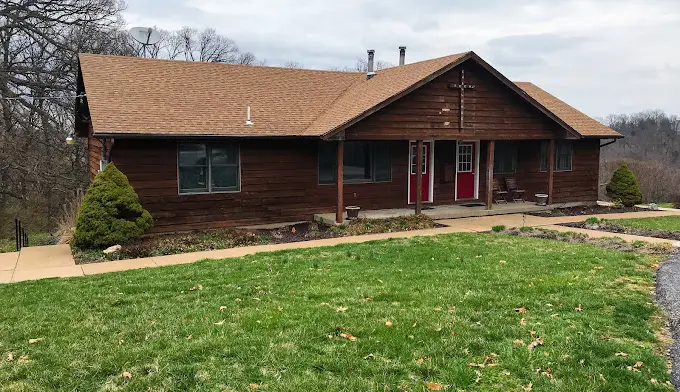
Other Forms of Payment
Private insurance refers to any kind of healthcare coverage that isn't from the state or federal government. This includes individual and family plans offered by an employer or purchased from the Insurance Marketplace. Every plan will have different requirements and out of pocket costs so be sure to get the full details before you start treatment.
Self-pay involves paying for treatment out of your own pocket. You can use savings or credit, get a personal loan, or receive help from family and friends to fund your treatment. If you don't have insurance or your insurance plan doesn't cover a specific program, self-pay can help ensure you still get the care you need.
Financial aid can take many forms. Centers may have grants or scholarships available to clients who meet eligibility requirements. Programs that receive SAMHSA grants may have financial aid available for those who need treatment as well. Grants and scholarships can help you pai for treatment without having to repay.
Medicare is a federal program that provides health insurance for those 65 and older. It also serves people under 65 with chronic and disabling health challenges. To use Medicare for addiction treatment you need to find a program that accepts Medicare and is in network with your plan. Out of pocket costs and preauthorization requirements vary, so always check with your provider.
Medicaid is a state based program that helps lower-income individuals and families pay for healthcare. Medicaid covers addiction treatment so those enrolled can use their coverage to pay for rehab. When a program accepts Medicaid the client often pays very little or nothing out of their own pocket.
Addiction Treatments
Levels of Care
Inpatient rehabs provide a safe, supportive environment for clients to focus on their recovery secure from outside distractions, stressors, and triggers. Clients receive housing, meals, and intensive clinical supervision. They also engage in extensive addiction counseling, often including group and family therapy. Many programs prioritize recovery-focused life skills training to support clients' reintegration into their home, workplace, school, and community. Evidence-based holistic therapies, such as yoga, acupuncture, meditation, hypnotherapy, or animal therapy, may also be provided.
Rehab aftercare programs offer continuing care for clients in the maintenance phase of recovery and are designed to evolve over time. Outpatient treatment is generally categorized as drug rehab aftercare, but many clients continue to receive services after being discharged from formal care. These services are customized to clients' unique recovery goals, but typically include medical, mental health, and social services. Clients' case manager and recovery team play a key role in developing the client's care plan.
Due to the potential for severe withdrawal symptoms, it is important to detox in a facility with 24-hour clinical care in Missouri. Most people experience some form of withdrawal symptoms, and this setting offers medical professionals who are on site 24/7 to provide any necessary treatment. This supervision makes the detox process safer and less painful and improves the likelihood of a successful recovery.
Treatments
The goal of treatment for alcoholism is abstinence. Those with poor social support, poor motivation, or psychiatric disorders tend to relapse within a few years of treatment. For these people, success is measured by longer periods of abstinence, reduced use of alcohol, better health, and improved social functioning. Recovery and Maintenance are usually based on 12 step programs and AA meetings.
Drug rehab in Missouri usually involves several phases: detox, rehab, and aftercare. The rehab phase may include a combination of inpatient and outpatient treatments, as the individual moves through a continuum of care on their recovery journey.
A combined mental health and substance abuse rehab has the staff and resources available to handle individuals with both mental health and substance abuse issues. It can be challenging to determine where a specific symptom stems from (a mental health issue or an issue related to substance abuse), so mental health and substance abuse professionals are helpful in detangling symptoms and keeping treatment on track.
Opioid rehabs specialize in supporting those recovering from opioid addiction. They treat those suffering from addiction to illegal opioids like heroin, as well as prescription drugs like oxycodone. These centers typically combine both physical as well as mental and emotional support to help stop addiction. Physical support often includes medical detox and subsequent medical support (including medication), and mental support includes in-depth therapy to address the underlying causes of addiction.
Programs
Adult rehab programs include therapies tailored to each client's specific needs, goals, and recovery progress. They are tailored to the specific challenges adult clients may face, including family and work pressures and commitments. From inpatient and residential treatment to various levels of outpatient services, there are many options available. Some facilities also help adults work through co-occurring conditions, like anxiety, that can accompany addiction.
Young adulthood can be an exciting, yet difficult, time of transition. Individuals in their late teens to mid-20s face unique stressors related to school, jobs, families, and social circles, which can lead to a rise in substance use. Rehab centers with dedicated young adult programs will include activities and amenities that cater to this age group, with an emphasis on specialized counseling, peer socialization, and ongoing aftercare.
Clinical Services
The goal of cognitive behavioral therapy in Missouri is to help clients change their thinking and behavioral patterns. Strategies of treatment include role playing, facing fears, and calming techniques.
Within a trauma therapy environment, you have a structured approach to healing from past traumatic events that you witnessed or experienced. You are guided to understand your response and then develop healthier coping skills and mechanisms that Foster greater empowerment and recovery.
Amenities
-
 Residential Setting
 -
 Private Rooms
Staff
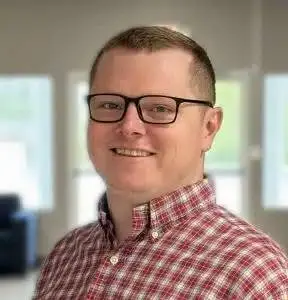
Jett Ainsworth
Program Director

Pastor Dan Ross
Chairman
Rehab.com regularly reviews this listing for accuracy but changes may occur between updates. For the most up-to-date information, please contact Teen Challenge Of Saint Louis.
Contact Information

2650 Appletree Acres Ln
High Ridge, MO 63049
Get Help Now - 314-384-4223
Sponsored Helpline
Sponsored Helpline


