





























































































Nothing was done by them to help me or even point me in a good direction. At my sessions, my counselor never once asked me how I really felt about all this, they only kept throwing pills at me
About Affiliated Clinical Services
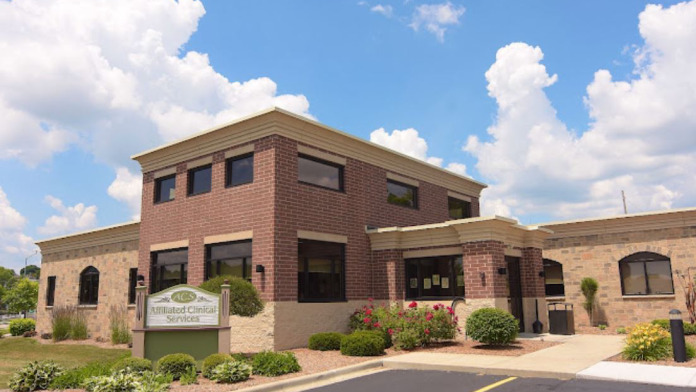
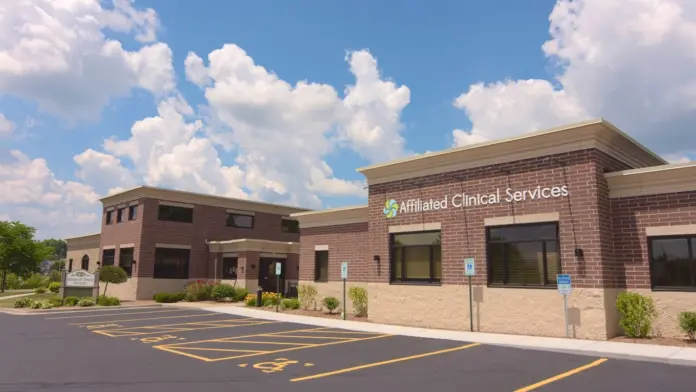
Affiliated Clinical Services is an outpatient addiction treatment center in West Bend, Wisconsin. The clinic is certified by the state for outpatient mental health and substance use treatment, and it has worked in Washington County since 1984. It runs a substance use program for adults and a separate teen program, where adolescents are seen in individual and family therapy at the West Bend and Hartford offices.
Suboxone and Clinical Staff
The clinic’s 31 clinical staff cover a wide range of specialties, and a physician is available for medical and clinical consultation. Treatment is delivered by counselors certified in alcohol and drug counseling, and a program director supervises them.
Buprenorphine, sold as Suboxone, is a medication for severe opioid use disorder that eases withdrawal and craving, and the clinic offers it inside intensive outpatient treatment. That program runs 10 to 12 hours a week of group and individual sessions, which leaves most of the week for work or family.
The clinic has 20 clinical offices and two group rooms in downtown West Bend, and it is open Monday through Thursday, 8 a.m. to 9 p.m. Payment runs through insurance contracts with employee assistance programs, HMO and PPO plans, though Medicaid, Badger Care, T-19 and other state insurance plans and the managed care plans tied to them are not accepted.
Latest Reviews
Very professional and caring therapists. Highly recommend.
Both my son and I have gone there, and found nothing but extremely professional, supportive people.
Before my insurance changed I worked with Ryanne Wendt and Alyssa Sydalko. (not sure if their names are spelled correct) I have nothing but positive things to say about both of them. My life will be forever changed by them. Ryanne is an amazing counselor who makes difficult issues easy to talk about and helps you to see what you’re doing right as well as areas to improve on. Wish I could still see her, if my insurance situation changes definitely going back to her. Best counselor I’ve ever worked with! Alyssa changed my life forever too! She took me seriously when discussing symptoms and gave me a referral for a pulmonologist instead of messing with medication combinations that did nothing to relieve my symptoms.... turns out I have narcolepsy! Alyssa was the one medical provider who went the extra mile for me ... after 10+ years of misdiagnosed symptoms she is the person who sent me down the path for a proper diagnosis and symptom management. That process would have taken years to figure out on my own. These ladies are amazing providers who definitely care about their clients! If you get the chance to work with them, do it!

Rehab Score
 Our Methodology
Scoring is assigned by a proprietary system which helps surface key metrics that determine quality. The 10-point scale factors in categories such as operations, customer satisfaction, and trust metrics. Read Full Methodology

6.9 / 10
Gallery
Accepted Insurance

Exceedent
Trilogy Health Solutions
WPS Health Solutions
Other Forms of Payment
Private insurance refers to any kind of healthcare coverage that isn't from the state or federal government. This includes individual and family plans offered by an employer or purchased from the Insurance Marketplace. Every plan will have different requirements and out of pocket costs so be sure to get the full details before you start treatment.
Self-pay involves paying for treatment out of your own pocket. You can use savings or credit, get a personal loan, or receive help from family and friends to fund your treatment. If you don't have insurance or your insurance plan doesn't cover a specific program, self-pay can help ensure you still get the care you need.
Financial aid can take many forms. Centers may have grants or scholarships available to clients who meet eligibility requirements. Programs that receive SAMHSA grants may have financial aid available for those who need treatment as well. Grants and scholarships can help you pai for treatment without having to repay.
Medicare is a federal program that provides health insurance for those 65 and older. It also serves people under 65 with chronic and disabling health challenges. To use Medicare for addiction treatment you need to find a program that accepts Medicare and is in network with your plan. Out of pocket costs and preauthorization requirements vary, so always check with your provider.
Military members, veterans, and eligible dependents have access to specific insurance programs that help them get the care they need. TRICARE and VA insurance can help you access low cost or no cost addiction and mental health treatment. Programs that accept military insurance often have targeted treatment focused on the unique challenges military members, veterans, and their families face.
Addiction Treatments
Levels of Care
It's a state certified clinic, and outpatient care here covers mental health and substance use services, so both sit together.
Drug and alcohol addiction often takes a heavy toll on one's body. Over time, a physical dependence can develop, meaning the body physiologically needs the substance to function. Detox is the process of removing drugs and/or alcohol from the body, a process that can be lethal if mismanaged. Medical detox is done by licensed medical professionals who monitor vital signs and keep you safe, healthy, and as comfortable as possible as you go through detox and withdrawal.
Intensive Outpatient Programs (IOP) are for those who want or need a very structured treatment program but who also wish to live at home and continue with certain responsibilities (such as work or school). IOP substance abuse treatment programs vary in duration and intensity, and certain outpatient rehab centers will offer individualized treatment programs.
Rehab aftercare programs support clients' long-term recovery through highly customized wraparound care aligned with clients' evolving needs. Most have been sober for a period of weeks or longer and have completed intensive inpatient rehab but may be receiving outpatient care. Many clients also receive services after being discharged from formal treatment. Long-term care plans are typically developed in collaboration with the client's case manager and care team and may include peer coaching, relapse prevention, and related services.
Treatments
Alcohol treatment here is handled by certified alcohol and drug counselors, with a program director supervising the team, so there's a second set of eyes on how care runs.
The goal of drug rehab in Wisconsin is to address drug addiction as a complex issue that involves physical, mental, and relational aspects. During rehab, treatment focuses on each of these areas and gives you the tools you need to achieve and maintain sobriety.
Many of those suffering from addiction also suffer from mental or emotional illnesses like schizophrenia, bipolar disorder, depression, or anxiety disorders. Rehab and other substance abuse facilities treating those with a dual diagnosis or co-occurring disorder administer psychiatric treatment to address the person's mental health issue in addition to drug and alcohol rehabilitation.
Suboxone, or buprenorphine, is used here for severe opioid dependency, so medication is available for that group.
Substance rehabs focus on helping individuals recover from substance abuse, including alcohol and drug addiction (both illegal and prescription drugs). They often include the opportunity to engage in both individual as well as group therapy.
Alcohol and drugs are often used to self-medicate the symptoms of mental health problems, plus they can increase your underlying risk for mental disorders. Alcohol and drug abuse can also make symptoms of a mental health problem worse. Obviously, substance abuse and mental health disorders are closely linked, which makes it essential to treat both at the same time. This specialized form of rehab is known as dual diagnosis.
In Wisconsin, dual-diagnosis rehabs provide beneficial comprehensive care if you're struggling with a co-occurring mental health and substance abuse disorder. You can usually expect treatment to include evidence-based therapies such as cognitive-behavioral therapy (CBT) and dialectical behavior therapy (DBT) in order simultaneously to address both conditions.
Programs
The adult program offers a variety of substance use treatment options, so adults have options to choose from.
Young adulthood can be an exciting, yet difficult, time of transition. Individuals in their late teens to mid-20s face unique stressors related to school, jobs, families, and social circles, which can lead to a rise in substance use. Rehab centers with dedicated young adult programs will include activities and amenities that cater to this age group, with an emphasis on specialized counseling, peer socialization, and ongoing aftercare.
Teen programs are designed to address the unique pressures teens face, pressures that can drive them to experiment with dangerous, addictive substances. They need programs that meet them exactly where they are and give them tools for long-term recovery. Therapy can help teenagers understand and work through underlying issues so they can reclaim the life ahead of them.
Clinical Services
Group therapy can land at several levels here, including day treatment, intensive outpatient and the Primary Outpatient Education/ Processing Groups, which meet one to three times a week.
Individual therapy offers you a tailored approach to treat drug addiction. This focuses on your unique needs and offers you personalized support outside of a group setting. You begin to understand what triggers your addictive behavior and develop coping skills that can support your recovery.
One focus of family therapy is to create a network for the individual in recovery. Families must identify dysfunctional patterns and develop healthier ways of interacting. This can significantly improve their loved one's treatment outcome.
Individual Counseling
Relapse Prevention
Staff
Raj Kumar, MD
Owner
Jim Giese, Ph.D.
Owner
Rehab.com regularly reviews this listing for accuracy but changes may occur between updates. For the most up-to-date information, please contact Affiliated Clinical Services.
Contact Information

111 East Washington Street
West Bend, WI 53095
Get Help Now - 414-295-9478
Sponsored Helpline
Sponsored Helpline



