





























































































About Aftermath Addiction Treatment Center
Aftermath Addiction Treatment Center is a Joint Commission accredited outpatient addiction treatment provider in Wakefield, Massachusetts, serving adults across the Greater Boston area.
The center offers a full continuum of outpatient care, including PHP, IOP, Evening IOP and aftercare, treating substance use disorders and co-occurring mental health conditions through dual diagnosis care.
Aftermath’s mission is to deliver personalized, recovery-informed treatment built around each client’s unique stage of healing, with staff who bring both clinical expertise and lived experience to every interaction.
Personalized Outpatient Addiction Treatment in Wakefield
Aftermath specializes in structured outpatient rehabilitation for alcohol and drug addiction, offering a step-down continuum from full-day PHP to half-day IOP, evening programs and ongoing outpatient support.
Founded by Matthew Ganem, who is in long-term recovery, the center is built on a “by people in recovery, for people in recovery” philosophy.
Treatment integrates modalities like CBT, DBT, EMDR, motivational interviewing and relapse prevention, alongside individual, group and family therapy.
Dual Diagnosis and Gender-Specific Care
For clients managing both addiction and mental health challenges, Aftermath provides integrated dual diagnosis treatment paired with medication management and case management.
The center also offers dedicated men’s and women’s programs, plus an Employee Assistance Program for working professionals seeking confidential support.
Access, Insurance, and Getting Started
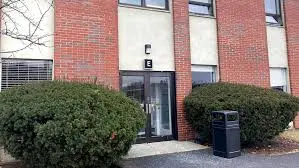
Aftermath is located on North Avenue in Wakefield, just north of Boston off I-95, with both in-person and online sessions available and same-day admissions offered.
The center is Joint Commission accredited and LegitScript certified, and accepts most major insurance plans including Blue Cross Blue Shield, Aetna, Harvard Pilgrim, Cigna, Tufts and United Healthcare.
Latest Reviews



Rehab Score
 Our Methodology


Gallery


Accepted Insurance
Other Forms of Payment
Private insurance refers to any kind of healthcare coverage that isn't from the state or federal government. This includes individual and family plans offered by an employer or purchased from the Insurance Marketplace. Every plan will have different requirements and out of pocket costs so be sure to get the full details before you start treatment.
Self-pay involves paying for treatment out of your own pocket. You can use savings or credit, get a personal loan, or receive help from family and friends to fund your treatment. If you don't have insurance or your insurance plan doesn't cover a specific program, self-pay can help ensure you still get the care you need.
Military members, veterans, and eligible dependents have access to specific insurance programs that help them get the care they need. TRICARE and VA insurance can help you access low cost or no cost addiction and mental health treatment. Programs that accept military insurance often have targeted treatment focused on the unique challenges military members, veterans, and their families face.
Addiction Treatments
Levels of Care
Outpatient Programs (OP) are for those seeking mental rehab or drug rehab, but who also stay at home every night. The main difference between outpatient treatment (OP) and intensive outpatient treatment (IOP) lies in the amount of hours the patient spends at the facility. Most of the time an outpatient program is designed for someone who has completed an inpatient stay and is looking to continue their growth in recovery. Outpatient is not meant to be the starting point, it is commonly referred to as aftercare.
Intensive outpatient programs (IOP) facilitate clients' sustained sobriety through high-level care aligned with their evolving needs. Clients engage in multiple treatment sessions per week, typically receiving between nine and 20 hours of outpatient care weekly. The frequency and intensity of treatment gradually decreases as clients stabilize. Many intensive outpatient rehabs offer a variety of services, including addiction counseling, recovery-focused life skills training, and medication assisted treatment (MAT). Evidence-based complementary therapies are also common.
A partial hospitalization program (PHP), also known as day treatment, allows you to receive rehab-level care while living at home. PHP treatment requires a minimum of 20 hours of treatment each week for an average of 90 days. PHP treatment plans can vary depending on your needs but typically includes relapse prevention, medication management, and evidence-based therapies, such as cognitive-behavioral therapy (CBT), and dialectical behavior therapy (DBT). Most insurance providers fully or partially cover PHP treatment.
Programs
Adult rehab programs include therapies tailored to each client's specific needs, goals, and recovery progress. They are tailored to the specific challenges adult clients may face, including family and work pressures and commitments. From inpatient and residential treatment to various levels of outpatient services, there are many options available. Some facilities also help adults work through co-occurring conditions, like anxiety, that can accompany addiction.
Clinical Services
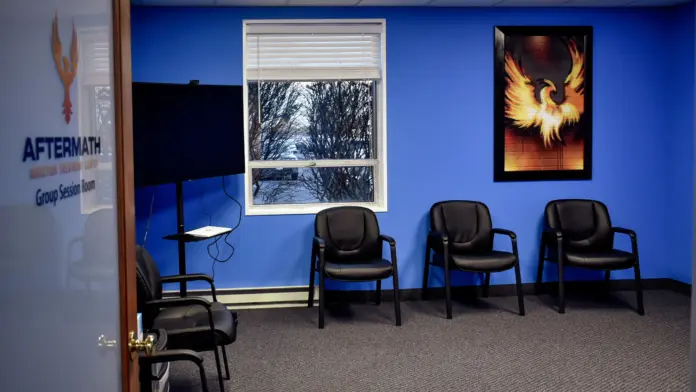
Group therapy is a safe space for participants to share their stories and experiences within a confidential and judgment free environment. You have the opportunity to openly discuss your difficulties and create a network of community support that can extend long after group therapy sessions end.
Therapists in Massachusetts offer individual therapy in a confidential setting to help you explore the complex factors that have contributed to your drug addiction. Using a tailored approach, your therapist supports you and utilizes evidence based treatment modalities to help you develop healthier thought patterns and behaviors. This builds a foundation for enduring sobriety.
The best time for nicotine replacement therapy (NRT) in Massachusetts is the moment you quit. You can start this therapy right away to lessen cravings and withdrawal symptoms, so the process is easier. Research has shown that NRT increases the chances of success. Options include patches, gum, inhalers, sprays, and lozenges.
Amenities
-
 Private Rooms
Staff & Accreditations
Staff
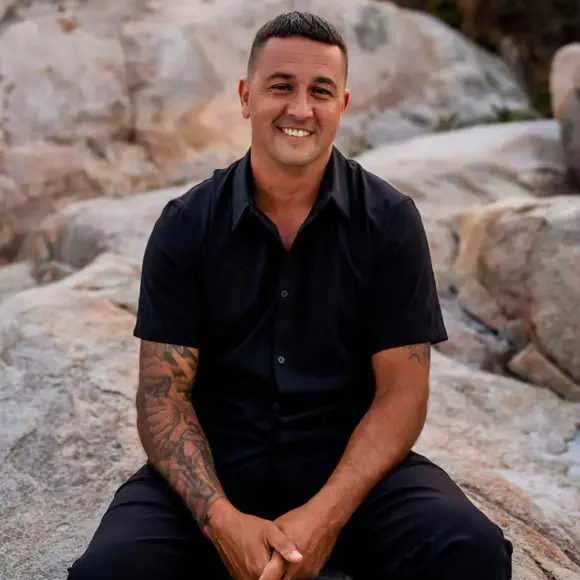
Matthew Ganem
CEO/Owner
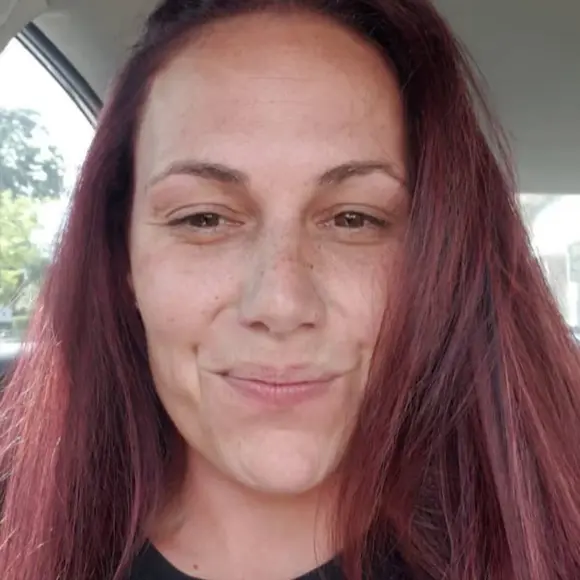
Jenna Boudreau
COO
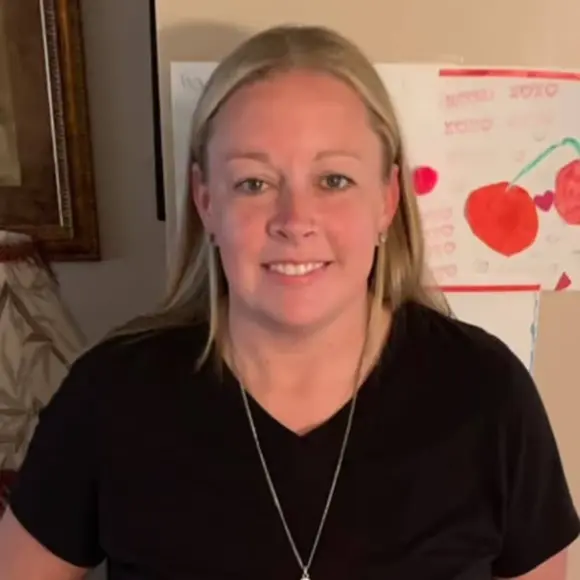
Hilary Glynn
Chief Clinical Officer
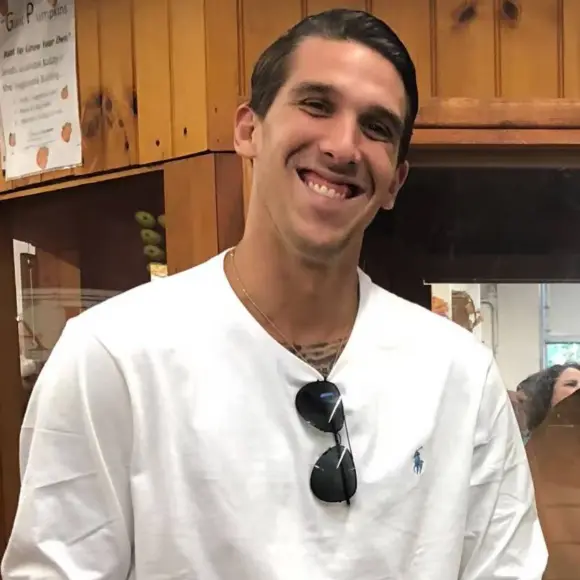
John Hanson
DIrector of Community Outreach
Accreditations

LegitScript has reviewed Aftermath Addiction Treatment Center as part of their certification program, and has determined that it meets the LegitScript standards for legality, safety and transparency.
LegitScript verified in February 2023

The Joint Commission, formerly known as JCAHO, is a nonprofit organization that accredits rehab organizations and programs. Founded in 1951, the Joint Commision's mission is to improve the quality of patient care and demonstrating the quality of patient care.
Joint Commission Accreditation: Yes
Rehab.com regularly reviews this listing for accuracy but changes may occur between updates. For the most up-to-date information, please contact Aftermath Addiction Treatment Center.
Contact Information


607 North Ave
Suite 11E
Wakefield, MA 01880
Sponsored Helpline


