
































































































Alcohol use disorder affects 1 in 10 Americans and contributes to more than 175,000 deaths per year. But, is THC used for alcohol withdrawal symptoms, or help with treating AUD at all?
Finding safe and appropriate treatment options can help you get the help you deserve. Evidence based interventions are the safest and most effective ways to make this journey a little easier.
Key Points
- 1 in 10 Americans live with alcohol use disorder; over 175,000 die yearly from related causes.
- Withdrawal symptoms can start 6–24 hours after the last drink and may become life threatening within 48–96 hours.
- THC is psychoactive, while CBD is non-intoxicating, and both have been studied for therapeutic effects.
- No clinical evidence supports THC for acute alcohol withdrawal; guidelines recommend proven medications instead.
- THC can worsen withdrawal risks, including sedation, anxiety, psychosis, and heart complications.
Alcohol Withdrawal at a Glance
Alcohol withdrawal occurs when a person who has been drinking heavily reduces or stops alcohol use, causing the nervous system to become dangerously overactive. Symptoms can range from mild tremors and anxiety starting 6 to 24 hours after the last drink, to life-threatening seizures and delirium tremens within 12 to 96 hours. Medical assessment and, in many cases, supervised detox are critical to managing these risks safely.
Withdrawal Timeline, Symptoms & Red Flags

Symptoms of alcohol withdrawal can range from mild to life threatening. The onset of symptoms usually occurs between 6-24 hours after the last drink. Symptoms include tremors, anxiety or insomnia.
More serious and potentially life threatening symptoms, including seizures or delirium tremens or DTs, can begin between 12-96 hours after your last drink.
Serious withdrawal symptoms, including confusion, hallucinations, fever, uncontrolled vomiting or chest pain, should be evaluated immediately by a medical professional.
Detox can occur in an inpatient or outpatient setting, including at home. Determining the appropriate level of care to safely detox depends on factors like the severity of addiction and withdrawal symptoms, co-occurring medical or psychiatric conditions and availability of support systems.
THC & CBD Basics for Context
THC and CBD are the two most studied compounds in cannabis. THC is the psychoactive component responsible for the “high,” while CBD is non-intoxicating and has shown anti-inflammatory and anti-anxiety properties in some research settings. Because cannabis products vary widely in potency and composition, their effects during alcohol withdrawal are unpredictable and not well studied in humans.
THC vs CBD, Products & Dosing Basics
Marijuana containing products have many different phytocannabinoids that act on the body’s endocannabinoid system. The two primary phytocannabinoids are delta-9-tetrahydrocannabinol (THC) and cannabidiol (CBD).
Our endocannabinoid system is responsible for maintaining balance in areas that regulate appetite, sleep, mood and the immune system. THC activates the CB1 receptors in the body. It is a psychoactive compound, causing feelings of euphoria, relaxation and altered perception.
CBD activates the CB2 receptors in the body. It is a non intoxicating compound, and has anti-inflammatory, analgesic and anti-anxiety properties. The full marijuana plant can be used in several forms, including flower or vapes, edibles or beverages and tinctures. The onset and duration of action depend on how it is ingested.
When cannabis is smoked, the effects can be felt within minutes and can wear off relatively quickly, whereas when consumed by eating or drinking, the onset of action is much longer, between 30 minutes and 2 hours and takes longer for the effects to wear off.
Potency can also differ between the different strains of marijuana and how it is produced. This means that it is difficult to manage how use will impact alcohol withdrawal symptoms.
Does THC Help With Alcohol Withdrawal?
No human clinical trials support the use of THC for treating acute alcohol withdrawal. The American Society of Addiction Medicine (ASAM) and other major guidelines recommend evidence-based pharmacotherapy, primarily benzodiazepines, as the standard of care. While some preclinical research has explored cannabinoids, THC remains experimental and is not included in any clinical withdrawal protocol.
What the Research & Guidelines Say
Current clinical guidelines for managing alcohol withdrawal, including those from ASAM and the American Psychiatric Association (APA), do not include THC or cannabis-based products in their recommended protocols.[1][3] Benzodiazepines remain the first-line treatment for preventing seizures and delirium tremens, with adjunctive medications like gabapentin and carbamazepine used in select cases.
A 2024 mouse study published in Frontiers in Neuroscience found that the timing of cannabinoid administration during withdrawal affected anxiety-related outcomes, but these results have not been replicated in human trials.[4] A separate 2015 analysis by Subbaraman and Kerr found that any cannabis use during alcohol treatment was associated with fewer days of abstinence from heavy drinking, raising concerns about its impact on recovery outcomes.[5]
The bottom line for people considering THC during withdrawal: there is no clinical basis for using it as a treatment, and existing evidence suggests it may interfere with recovery.
Cannabis Alcohol Patterns & the “Cali Sober”/ THC Drinks Trend
“Cali sober” is an informal term for stopping alcohol and other drugs while continuing to use cannabis. Some people view this as harm reduction, but most addiction medicine professionals do not consider it a form of sobriety because it may trade one pattern of substance use for another.[6]
THC-infused beverages have grown in popularity as alcohol alternatives, particularly among younger adults. While these products avoid the acute toxicity risks of alcohol, they carry their own concerns. Research published by the National Institute on Drug Abuse (NIDA) estimates that roughly 30% of people who use marijuana develop some degree of cannabis use disorder.[7] For people with a history of alcohol use disorder, the risk of developing a second substance use problem is higher than in the general population.
The concept of “marijuana maintenance,” where a person substitutes cannabis for alcohol during or after treatment, has been discussed in addiction medicine circles for years. Clinical consensus does not support this approach, though some harm reduction frameworks acknowledge that any reduction in alcohol consumption has value. If you are considering this path, discuss it openly with a clinician who understands your full medical history.
3 in 10 people who use marijuana develop cannabis use disorder
Approximately 3 in 10 people who use marijuana develop cannabis use disorder (NIDA, 2021)
Call A Treatment Provider
For a conversation about what treatment options are available to you.
Make a Call
 800-985-8516
 Sponsored Helpline
Risks, Interactions & Who Should Avoid THC During Withdrawal
Using THC during alcohol withdrawal can create dangerous drug interactions, worsen psychiatric symptoms, and increase cardiovascular risks. People on sedative detox regimens, those with a history of psychosis or heart disease, and adolescents face the highest risks. Clinicians recommend avoiding THC entirely during the acute withdrawal period.
Sedation & Drug Interactions
Using THC with medications that cause central nervous system depression, such as benzodiazepines, gabapentin, barbiturates and sleep medication can be dangerous. This increases the risk of a potential overdose or accident.
The potential for overdose increases with concurrent use, resulting from the impact the drugs have on the respiratory and nervous systems. Both drugs can cause drowsiness and depressed respirations, which potentiate each other in unpredictable ways.
Accidents are more likely to occur when THC is combined with other central nervous system depressants since it can result in impaired coordination and poor judgment, leading to falls or accidents.
Psychiatric, Cognitive & Cardiovascular Risks
THC, especially in high doses or concentrates, can cause anxiety, paranoia, panic attacks and an increased risk of psychosis.
Because these symptoms are also common during alcohol withdrawal, THC potentially increases the risk of developing or making symptoms worse.
Tachycardia, blood pressure shifts and arrhythmia risks can occur during alcohol withdrawal because of dehydration, commonly found during alcohol withdrawal. Using THC increases the risk of developing these symptoms.
Who Should Not Use THC During Withdrawal
THC is typically not appropriate for people going through alcohol withdrawal, as it can worsen certain health conditions or interact with medications.
It may be best to avoid using THC during this time if you:
- Use a sedative detox regimen
- Have psychosis or severe mood disorder history
- Have heart disease
- Are pregnant or breastfeeding
- Are an adolescent or young adult related to the impact on neurodevelopment
- Have a history of cannabis use disorder
- Have a strong family history of psychosis
CBD Research Update
Unlike THC, cannabidiol (CBD) is being actively studied as a potential adjunctive treatment for alcohol withdrawal, though no clinical guidelines currently recommend it. A Phase 2/3 trial at Johns Hopkins is evaluating whether CBD can reduce withdrawal symptoms and cravings alongside standard care.
CBD does not produce the psychoactive effects associated with THC, and preclinical research has shown some promising signals. A 2025 study published in Neuropsychopharmacology found that CBD reduced alcohol self-administration and withdrawal-induced anxiety in rodent models, and appeared to reverse alcohol-related changes in brain cell activity in the basolateral amygdala.[9]
The Johns Hopkins randomized, placebo-controlled trial (NCT07148843) is testing whether CBD can improve withdrawal symptoms and reduce the need for supplemental benzodiazepines during medically supervised detox. The trial is expected to run through 2030.[10]
These are early-stage findings. CBD is not an approved treatment for alcohol withdrawal, and over-the-counter CBD products vary widely in quality, potency, and purity. Anyone considering CBD during detox should discuss it with their treatment team first.
THC vs Evidence-Based Medications: How They Compare
The table below compares THC and CBD against the medications that clinical guidelines actually recommend for managing alcohol withdrawal.
| Benzodiazepines (e.g., chlordiazepoxide, lorazepam) | Gabapentin | THC | CBD | |
|---|---|---|---|---|
| FDA approved for AW | Yes (standard of care) | No (off-label use) | No | No |
| Clinical trial evidence | Extensive; decades of RCTs | Moderate; several RCTs for mild-moderate AW | None for AW in humans | Phase 2/3 trial in progress |
| Seizure prevention | Proven | Limited evidence | No evidence | Under study |
| DT prevention | Proven | Not established | No evidence | Under study |
| Key risks | Sedation, respiratory depression, dependence | Sedation, dizziness | Anxiety, psychosis, tachycardia, impaired cognition, CUD risk | Drug interactions (CYP enzymes), quality variability |
| Guideline status | First-line (ASAM, APA) | Adjunctive in select cases | Not recommended | Not yet evaluated |
This table is intended as a general reference. Treatment decisions should always be guided by a clinician who can assess individual risk factors, severity, and co-occurring conditions.
What to Do Instead (Evidence Based Care)

The safest and most effective approach to alcohol withdrawal is medically supervised care guided by standardized assessments like the CIWA-Ar scale. Treatment typically includes symptom-triggered benzodiazepines, close clinical monitoring, seizure precautions, and electrolyte correction. After detox, ongoing treatment with FDA-approved medications and behavioral therapy supports long-term recovery.
Withdrawal Management Essentials (What Works)
Research has found that the safest and most effective way to treat acute alcohol withdrawal is using qualified medical professionals to assess withdrawal symptoms using the Clinical Institute Withdrawal Assessment for alcohol or CIWA-Ar.
This allows substance use professionals to monitor the severity of alcohol withdrawal symptoms at regular intervals.
Interventions are informed by the CIWA-Ar score. These interventions can include:
- System triggered benzodiazepines treatment
- Continued close monitoring
- Seizure and delirium tremens (DT) precautions
- Correcting fluid and electrolyte balance
- Creating a plan that encourages healthy sleep habits
Individuals who choose to use cannabis to treat their acute alcohol withdrawal symptoms should:
- Avoid any sedatives with THC
- Use only low dose THC/CBD combination substances
- Practice extreme caution with dosing since strains of THC have differing levels of potency
- Stop THC if confusion, chest pain or severe anxiety emerges and seek immediate medical treatment
After Detox Treatment Options for AUD
Detox is the first step toward long lasting and sustainable recovery. A life in sobriety requires continued therapy, counseling, relapse prevention planning and aftercare. Medication assisted treatment, such as with naltrexone, acamprosate, disulfiram, or topiramate, depends on your unique treatment needs.
Treatment typically includes therapies such as cognitive behavioral therapy (CBT) or motivational enhancement therapy (MET) to help identify the underlying causes of addiction. This includes creating healthier coping skills and behaviors that support long term recovery and develop interventions to prevent relapse.
Mutual help groups and recovery support services such as Alcoholics Anonymous or SMART Recovery can provide support and understanding from peers who understand the struggles of making change and staying sober.
How THC Compares to Proven Alcohol Withdrawal Medications
| Medication | Primary Use in Alcohol Care | Typical Course | Common Side Effects |
|---|---|---|---|
| Librium (chlordiazepoxide) | First-line treatment for moderate-to-severe withdrawal; prevents seizures and delirium tremens | 3 to 7 days, tapered | Drowsiness, dizziness, coordination issues |
| Gabapentin | Mild-to-moderate withdrawal; reduces anxiety and cravings | 5 to 7 days, tapered | Dizziness, fatigue, swelling |
| Clonidine | Adjunct medication for high blood pressure, sweating, and anxiety; does not prevent seizures | 3 to 5 days | Low blood pressure, dry mouth, drowsiness |
| Naltrexone (oral or Vivitrol injection) | Post-detox craving and reward reduction | Daily oral or monthly injection; often long-term | Nausea, headache, fatigue |
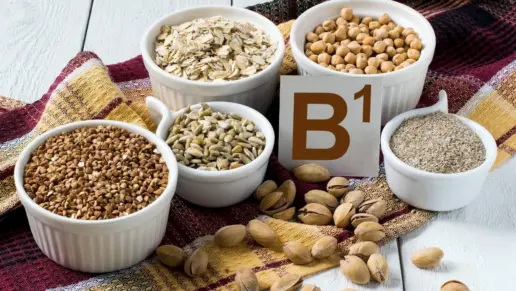
| Thiamine (Vitamin B1) | Prevents Wernicke-Korsakoff syndrome; routinely given during alcohol detox | Daily during detox, often parenteral | Generally well tolerated |
For reference only. Medication decisions belong with a licensed clinician.
THC for Alcohol Withdrawal FAQs
No, there is no evidence that THC treats acute alcohol withdrawal, while benzodiazepine use is a proven first line intervention with proven seizure and DT risk reduction.
CBD is not effective for acute withdrawal and is not a substitute for guideline based detox.
THC has not been proven to effectively treat withdrawal, in part because of the variability in dosing and onset of action. The long duration of oral THC increases the risk of over intoxication and interactions with other substances.
Find Treatment Near You
Taking the first step toward a life in recovery is one of the best decisions you can make. Rehab.com offers an online databasewhere you can find the treatment program that is best for you.
You can filter treatment centers by location, level of care, insurance coverage and special program services.
Not sure where to start? Call
800-985-8516
( Sponsored Helpline )
today to talk to someone about your treatment options and see if your insurance will cover rehab.
References
- American Society of Addiction Medicine (ASAM). The ASAM Clinical Practice Guideline on Alcohol Withdrawal Management. J Addict Med. 2020;14(3S Suppl 1):1-72. https://www.asam.org/quality-care/clinical-guidelines/alcohol-withdrawal-management-guideline
- National Institute on Drug Abuse (NIDA). Cannabis (Marijuana) DrugFacts. Updated April 2024. https://nida.nih.gov/publications/drugfacts/cannabis-marijuana
- American Psychiatric Association (APA). Practice Guideline for the Pharmacological Treatment of Patients With Alcohol Use Disorder. APA Publishing, 2018. https://psychiatryonline.org/doi/book/10.1176/appi.books.9781615371969
- Costardi JVV, et al. Effects of cannabidiol, with and without delta-9-tetrahydrocannabinol, on anxiety-like behavior following alcohol withdrawal in mice. Front Neurosci. 2024;18:1399728. https://www.ncbi.nlm.nih.gov/pmc/articles/PMC11217543/
- Subbaraman MS, Kerr WC. Simultaneous versus concurrent use of alcohol and cannabis in the National Alcohol Survey. Alcohol Clin Exp Res. 2015;39(5):872-879. https://pubmed.ncbi.nlm.nih.gov/25872596/
- Multiple clinical commentary sources on “Cali sober” and marijuana maintenance approaches in addiction medicine practice.
- National Institute on Drug Abuse (NIDA). Is marijuana addictive? Marijuana Research Report Series. Updated July 2020. https://nida.nih.gov/publications/research-reports/marijuana/marijuana-addictive
- UpToDate. Management of moderate and severe alcohol withdrawal syndromes. Accessed May 2026.
- de Guglielmo G, et al. Cannabidiol mitigates alcohol dependence and withdrawal with neuroprotective effects in the basolateral amygdala and striatum. Neuropsychopharmacology. Published online July 10, 2025. https://www.nature.com/articles/s41386-025-02164-6
- ClinicalTrials.gov. Cannabidiol as an Adjunct Treatment for Alcohol Withdrawal and Craving. Identifier: NCT07148843. Johns Hopkins University. https://clinicaltrials.gov/study/NCT07148843