





























































































 Claimed
About ARCA – Assisted Recovery Centers of America
The Assisted Recovery Centers of America (ARCA) was established in 2001 as the region’s premier medical detox and behavioral health treatment center for behavioral health and substance use disorders. Since its early years, ARCA has worked closely with community partners to provide compassionate and innovative care to promote healing and thriving for individuals, families, and communities. We are a behavioral health organization providing a full continuum of integrated services to adult patients with substance use and other behavioral disorders.
-
Substance Use Disorder Treatment
-
Medical Detox / Withdrawal Management
-
Behavioral Health & Psychiatric Services
-
Peer Support & Case Management Services
-
Medicaid Enrollment
-
Access and Referrals to Medications, Housing, Food, Transportation, and other Services
-
On-site Pharmacy
-
Naloxone (Narcan) Vending Machine
Latest Reviews



Rehab Score
 Our Methodology


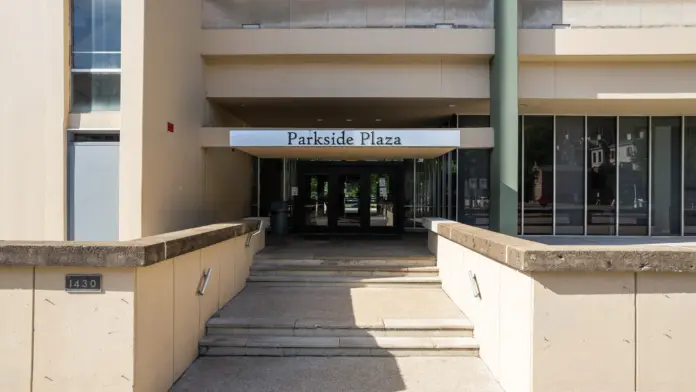
Gallery

Accepted Insurance
Other Forms of Payment
Self-pay involves paying for treatment out of your own pocket. You can use savings or credit, get a personal loan, or receive help from family and friends to fund your treatment. If you don't have insurance or your insurance plan doesn't cover a specific program, self-pay can help ensure you still get the care you need.
Private insurance refers to any kind of healthcare coverage that isn't from the state or federal government. This includes individual and family plans offered by an employer or purchased from the Insurance Marketplace. Every plan will have different requirements and out of pocket costs so be sure to get the full details before you start treatment.
Medicaid is a state based program that helps lower-income individuals and families pay for healthcare. Medicaid covers addiction treatment so those enrolled can use their coverage to pay for rehab. When a program accepts Medicaid the client often pays very little or nothing out of their own pocket.
Private insurance refers to any kind of healthcare coverage that isn't from the state or federal government. This includes individual and family plans offered by an employer or purchased from the Insurance Marketplace. Every plan will have different requirements and out of pocket costs so be sure to get the full details before you start treatment.
Addiction Treatments
Levels of Care
Outpatient Programs (OP) are for those seeking mental rehab or drug rehab, but who also stay at home every night. The main difference between outpatient treatment (OP) and intensive outpatient treatment (IOP) lies in the amount of hours the patient spends at the facility. Most of the time an outpatient program is designed for someone who has completed an inpatient stay and is looking to continue their growth in recovery. Outpatient is not meant to be the starting point, it is commonly referred to as aftercare.
Drug and alcohol addiction often takes a heavy toll on one's body. Over time, a physical dependence can develop, meaning the body physiologically needs the substance to function. Detox is the process of removing drugs and/or alcohol from the body, a process that can be lethal if mismanaged. Medical detox is done by licensed medical professionals who monitor vital signs and keep you safe, healthy, and as comfortable as possible as you go through detox and withdrawal.
Completing a drug or alcohol rehab program shouldn't spell the end of substance abuse treatment. Aftercare involves making a sustainable plan for recovery, including ongoing support. This can include sober living arrangements like halfway houses, career counseling, and setting a patient up with community programs like Alcoholics Anonymous (AA) or Narcotics Anonymous (NA).
Intensive outpatient programs provide an intermediate level of care, often supporting clients' transition from inpatient rehab to outpatient treatment. Most IOP programs require a minimum of nine therapeutic hours weekly, but clients may receive up to 20 hours of care, with the intensity and frequency of care declining as clients grow stronger in their sobriety. Intensive outpatient treatment generally combines addiction counseling, recovery education, holistic therapies, and, for some, medication assisted treatment (MAT).
A sober living home in Missouri is designed to foster character development, accountability, camaraderie, and mutual peer encouragement. In this communal-living setting, individuals in recovery share household responsibilities and participate in 12-step programs together. Residents can remain in the home as long as they want, as long as they follow the house rules. An average stay in men's or women's sober living lasts between five and eight months.
Treatments
The goal of treatment for alcoholism is abstinence. Those with poor social support, poor motivation, or psychiatric disorders tend to relapse within a few years of treatment. For these people, success is measured by longer periods of abstinence, reduced use of alcohol, better health, and improved social functioning. Recovery and Maintenance are usually based on 12 step programs and AA meetings.
Drug rehab in Missouri usually involves several phases: detox, rehab, and aftercare. The rehab phase may include a combination of inpatient and outpatient treatments, as the individual moves through a continuum of care on their recovery journey.
Many of those suffering from addiction also suffer from mental or emotional illnesses like schizophrenia, bipolar disorder, depression, or anxiety disorders. Rehab and other substance abuse facilities treating those with a dual diagnosis or co-occurring disorder administer psychiatric treatment to address the person's mental health issue in addition to drug and alcohol rehabilitation.
A combined mental health and substance abuse rehab has the staff and resources available to handle individuals with both mental health and substance abuse issues. It can be challenging to determine where a specific symptom stems from (a mental health issue or an issue related to substance abuse), so mental health and substance abuse professionals are helpful in detangling symptoms and keeping treatment on track.
Opioid rehabs specialize in supporting those recovering from opioid addiction. They treat those suffering from addiction to illegal opioids like heroin, as well as prescription drugs like oxycodone. These centers typically combine both physical as well as mental and emotional support to help stop addiction. Physical support often includes medical detox and subsequent medical support (including medication), and mental support includes in-depth therapy to address the underlying causes of addiction.
Substance abuse treatment programs in Missouri help individuals struggling with substance abuse and co-occurring mental health disorders. These programs utilize evidence-based therapies like cognitive-behavioral therapy (CBT), dialectical behavior therapy (DBT), and mindfulness-based interventions. With a range of treatment options available, including outpatient, inpatient, and residential programs, you can find the right program to meet your unique needs and improve your quality of life.
Inpatient treatment provides mental health services with residency in the rehab facility for the duration of treatment. During treatment, you'll likely participate in evidence-based therapies like cognitive-behavioral therapy (CBT) and dialectical behavior therapy (DBT), medication management, and skill development – all under the guidance of an expert mental health therapist. By focusing on both aspects of your mental health and treating your addiction, you'll gain vital skills to cope with cravings, manage stress, and prevent relapse. Family therapy or mindfulness training may also be available, which helps to improve mental health.
Programs
Adult rehab programs include therapies tailored to each client's specific needs, goals, and recovery progress. They are tailored to the specific challenges adult clients may face, including family and work pressures and commitments. From inpatient and residential treatment to various levels of outpatient services, there are many options available. Some facilities also help adults work through co-occurring conditions, like anxiety, that can accompany addiction.
Young adulthood can be an exciting, yet difficult, time of transition. Individuals in their late teens to mid-20s face unique stressors related to school, jobs, families, and social circles, which can lead to a rise in substance use. Rehab centers with dedicated young adult programs will include activities and amenities that cater to this age group, with an emphasis on specialized counseling, peer socialization, and ongoing aftercare.
Men face specific challenges and concerns when seeking addiction treatment. Gender-specific recovery programs help them tackle these issues head-on in an environment that's focused, targeted, and distraction-free. It also gives them the opportunity to connect with and learn from other men who have been through a similar journey and can offer support for the next step.
Rehabs for women provide a safe, nurturing space for female clients to heal. These treatment programs consider the specific obstacles that women can face during recovery and place a special emphasis on mental, social, physical, and reproductive health. They explore how each woman's experience has shaped the trajectory of their substance use, addressing issues such as sexual abuse and past trauma.
Clinical Services
Cognitive Behavioral Therapy (CBT) is a therapy modality that focuses on the relationship between one's thoughts, feelings, and behaviors. It is used to establish and allow for healthy responses to thoughts and feelings (instead of unhealthy responses, like using drugs or alcohol). CBT has been proven effective for recovering addicts of all kinds, and is used to strengthen a patient's own self-awareness and ability to self-regulate. CBT allows individuals to monitor their own emotional state, become more adept at communicating with others, and manage stress without needing to engage in substance abuse.
Research clearly demonstrates that recovery is far more successful and sustainable when loved ones like family members participate in rehab and substance abuse treatment. Genetic factors may be at play when it comes to drug and alcohol addiction, as well as mental health issues. Family dynamics often play a critical role in addiction triggers, and if properly educated, family members can be a strong source of support when it comes to rehabilitation.
Group therapy is any therapeutic work that happens in a group (not one-on-one). There are a number of different group therapy modalities, including support groups, experiential therapy, psycho-education, and more. Group therapy involves treatment as well as processing interaction between group members.
In individual therapy, a patient meets one-on-one with a trained psychologist or counselor. Therapy is a pivotal part of effective substance abuse treatment, as it often covers root causes of addiction, including challenges faced by the patient in their social, family, and work/school life.
Motivational interviewing is a short term method often used during drug rehab in Missouri. It typically lasts one or two sessions, with the goal of facilitating conversation about change. The client should leave the sessions feeling more decisive and secure in their ability to make the changes they desire in their life.
Life skills give you the ability to maintain healthy relationships, complete day to day tasks, and cope with challenges. Because substance use disorder often diminishes these skills, rehab in Missouri includes integrated life skills training to rebuild and reinforce these abilities.
 Transcranial Magnetic Stimulation
Staff & Accreditations
Staff

Percy Menzies, M. Pharm.
President & Founder

Suneal Menzies
COO

Richard Scholz
CFO

Dr. Fred Rottnek, MD, MAHCM
Medical Director

Aaron M. Laxton
Executive Director

Briana Gibb, RN, BSN
Systems Administrator

Christina Syberg
HR Generalist

Mitch Ackerman
Behavioral Health Supervisor
Accreditations

The Commission on Accreditation of Rehabilitation Facilities (CARF) is a non-profit organization that specifically accredits rehab organizations. Founded in 1966, CARF's, mission is to help service providers like rehab facilities maintain high standards of care.
CARF Accreditation: Yes

The Joint Commission, formerly known as JCAHO, is a nonprofit organization that accredits rehab organizations and programs. Founded in 1951, the Joint Commision's mission is to improve the quality of patient care and demonstrating the quality of patient care.
Joint Commission Accreditation: Yes

The Substance Abuse and Mental Health Services Administration (SAMHSA) is a branch of the U.S. Department of Health and Human Services. Established in 1992 by congress, SAMHSA's mission is to reduce the impact of substance abuse and mental illness on American's communities.
SAMHSA Listed: Yes

State Licenses are permits issued by government agencies that allow rehab organizations to conduct business legally within a certain geographical area. Typically, the kind of program a rehab facility offers, along with its physical location, determines which licenses are required to operate legally.
State License: Missouri
Rehab.com regularly reviews this listing for accuracy but changes may occur between updates. For the most up-to-date information, please contact ARCA – Assisted Recovery Centers of America.
Contact Information


1430 Olive St
#110
St Louis, Missouri 63103
Sponsored Helpline



