






























































































They are not Dual Diagnosis, they do not do what they claim. My son exhibited another MH disorder and he was medically discharged and literally put to the street. He was not sent to the psych floor or arrested, if it was not a psych disorder as they claimed, then he should o ...
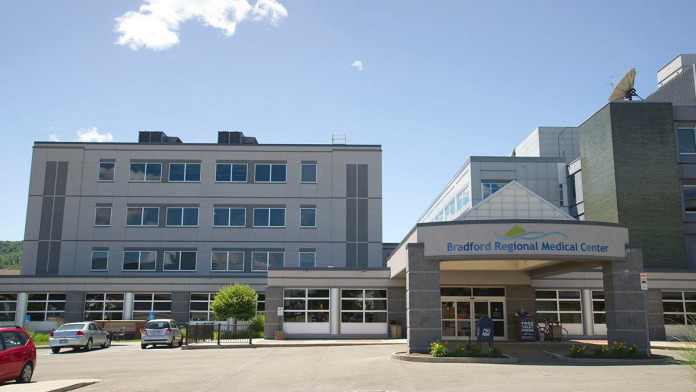
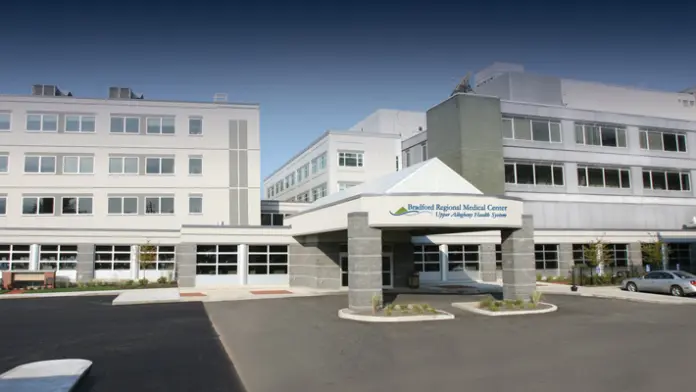
About Bradford Regional Medical Center
This center provides an inpatient co-occurring disorder treatment program, a partial hospitalization program, an intensive outpatient program, and medication-assisted treatment.
This facility features a 21-day inpatient program for adults aged 18 and older who have a substance use disorder and a co-occurring mental health disorder. This is a structured program with a 16-bed capacity that provides individual and group therapy, evidence-based therapy, and psychiatric care.
The PHP meets five days a week from 9:00 AM to 3:00 PM. Participants have weekly individual therapy and psychiatric visits, and daily group therapy. The IOP provides a highly structured level of care, psychoeducation, group, and individual treatment sessions. IOP sessions are held three days per week, three hours per day, for eight weeks.
Bradford participates with most insurance companies, but they recommend verifying insurance with your provider to explore in-network and out-of-network benefit options.
Facility Overview
 95
95 Number of Available Beds
Latest Reviews
Everyone at the SMART lab was terrific! Kind, helpful, professional, and focused on healing!
Thank you so much for taking the time to share your wonderful feedback about your experience at SMART. We are thrilled to hear that our team was able to provide you with the kind, helpful, and professional care you deserve. It is our priority to focus on healing and ensure that every patient feels supported throughout their journey.
Your positive words and perfect rating mean a lot to us and will be shared with the entire team to encourage them to continue delivering exceptional service. If there is anything more we can do for you, please do not hesitate to reach out.
Wishing you good health and happiness.
We're always looking for prospective patients who are willing to share their experiences with the community. If you're interested, feel free to reach out to our marketing team at communications@uahs.org — we’d love to hear from you!
Response from the owner1 week ago
Dear Catherine,Thank you so much for taking the time to share your wonderful feedback about your experience at SMART. We are thrilled to hear that our team was able to provide you with the kind, helpful, and professional care you deserve. It is our priority to focus on healing and ensure that every patient feels supported throughout their journey.
Your positive words and perfect rating mean a lot to us and will be shared with the entire team to encourage them to continue delivering exceptional service. If there is anything more we can do for you, please do not hesitate to reach out.
Wishing you good health and happiness.
We're always looking for prospective patients who are willing to share their experiences with the community. If you're interested, feel free to reach out to our marketing team at communications@uahs.org — we’d love to hear from you!
The staff at Bradford Regional Medical Center Laboratory Services are friendly and really good at their jobs. I only waited about 10 minutes, and everything went smoothly. I’d definitely recommend them to others in Bradford.
Thank you so much for taking the time to share your positive experience with Bradford Regional Medical Center Laboratory Services. We are thrilled to hear that our staff made a great impression and that your visit went smoothly. Your recommendation means a lot to us, and we are grateful for your support. We look forward to serving you again in the future.
We're always looking for prospective patients who are willing to share their experiences with the community. If you're interested, feel free to reach out to our marketing team at communications@uahs.org — we’d love to hear from you!
Response from the owner1 week ago
Dear James,Thank you so much for taking the time to share your positive experience with Bradford Regional Medical Center Laboratory Services. We are thrilled to hear that our staff made a great impression and that your visit went smoothly. Your recommendation means a lot to us, and we are grateful for your support. We look forward to serving you again in the future.
We're always looking for prospective patients who are willing to share their experiences with the community. If you're interested, feel free to reach out to our marketing team at communications@uahs.org — we’d love to hear from you!
# Hospital Dual Diagnosis Program: A Life-Changing Journey ⭐⭐⭐⭐⭐
Within these hospital walls, hope comes alive,
The dual diagnosis program helps souls survive.
Addressing both addiction and mental health care,
With compassion and expertise beyond compare!
The medical team works hand in hand,
Understanding struggles others can't understand.
Psychiatrists, counselors, nurses so kind,
Treating both body, spirit, and mind!
Group therapy sessions build bridges of trust,
Peer support showing recovery's a must.
Individual counseling digs deep and true,
Creating pathways to a healthier you!
The program structure provides safety and hope,
Teaching new skills and ways to cope.
From detox to therapy, medication to care,
Every aspect handled with professional flair!
Staff members shine with dedication bright,
Guiding patients from darkness to light.
In this hospital haven, healing takes place,
Where dual diagnosis finds its grace!
Five stars for a program that truly saves lives,
Where comprehensive treatment helps hope arrive!
For those seeking recovery, this place is key,
The dual diagnosis program sets spirits free!
Thank you so much for sharing your heartfelt review of our Dual Diagnosis Program at Bradford Regional Medical Center. We are truly honored to hear that your experience with us was life-changing and that our program met your needs with compassion and expertise.
Your kind words about our staff's dedication and the program's structure are greatly appreciated. We are committed to guiding our patients from darkness to light and are thrilled to have been a part of your healing process.
Thank you!
Response from the owner3 months ago
Dear Michael Theriault,Thank you so much for sharing your heartfelt review of our Dual Diagnosis Program at Bradford Regional Medical Center. We are truly honored to hear that your experience with us was life-changing and that our program met your needs with compassion and expertise.
Your kind words about our staff's dedication and the program's structure are greatly appreciated. We are committed to guiding our patients from darkness to light and are thrilled to have been a part of your healing process.
Thank you!

Rehab Score
 Our Methodology
Scoring is assigned by a proprietary system which helps surface key metrics that determine quality. The 10-point scale factors in categories such as operations, customer satisfaction, and trust metrics. Read Full Methodology

5.7 / 10
Gallery
Other Forms of Payment
Medicaid is a state based program that helps lower-income individuals and families pay for healthcare. Medicaid covers addiction treatment so those enrolled can use their coverage to pay for rehab. When a program accepts Medicaid the client often pays very little or nothing out of their own pocket.
Private insurance refers to any kind of healthcare coverage that isn't from the state or federal government. This includes individual and family plans offered by an employer or purchased from the Insurance Marketplace. Every plan will have different requirements and out of pocket costs so be sure to get the full details before you start treatment.
Self-pay involves paying for treatment out of your own pocket. You can use savings or credit, get a personal loan, or receive help from family and friends to fund your treatment. If you don't have insurance or your insurance plan doesn't cover a specific program, self-pay can help ensure you still get the care you need.
Financial aid can take many forms. Centers may have grants or scholarships available to clients who meet eligibility requirements. Programs that receive SAMHSA grants may have financial aid available for those who need treatment as well. Grants and scholarships can help you pai for treatment without having to repay.
Medicare is a federal program that provides health insurance for those 65 and older. It also serves people under 65 with chronic and disabling health challenges. To use Medicare for addiction treatment you need to find a program that accepts Medicare and is in network with your plan. Out of pocket costs and preauthorization requirements vary, so always check with your provider.
Military members, veterans, and eligible dependents have access to specific insurance programs that help them get the care they need. TRICARE and VA insurance can help you access low cost or no cost addiction and mental health treatment. Programs that accept military insurance often have targeted treatment focused on the unique challenges military members, veterans, and their families face.
Addiction Treatments
Levels of Care
Outpatient Programs (OP) are for those seeking mental rehab or drug rehab, but who also stay at home every night. The main difference between outpatient treatment (OP) and intensive outpatient treatment (IOP) lies in the amount of hours the patient spends at the facility. Most of the time an outpatient program is designed for someone who has completed an inpatient stay and is looking to continue their growth in recovery. Outpatient is not meant to be the starting point, it is commonly referred to as aftercare.
Drug and alcohol addiction often takes a heavy toll on one's body. Over time, a physical dependence can develop, meaning the body physiologically needs the substance to function. Detox is the process of removing drugs and/or alcohol from the body, a process that can be lethal if mismanaged. Medical detox is done by licensed medical professionals who monitor vital signs and keep you safe, healthy, and as comfortable as possible as you go through detox and withdrawal.
Intensive Outpatient Programs (IOP) are for those who want or need a very structured treatment program but who also wish to live at home and continue with certain responsibilities (such as work or school). IOP substance abuse treatment programs vary in duration and intensity, and certain outpatient rehab centers will offer individualized treatment programs.
Residential treatment programs are those that offer housing and meals in addition to substance abuse treatment. Rehab facilities that offer residential treatment allow patients to focus solely on recovery, in an environment totally separate from their lives. Some rehab centers specialize in short-term residential treatment (a few days to a week or two), while others solely provide treatment on a long-term basis (several weeks to months). Some offer both, and tailor treatment to the patient's individual requirements.
Treatments
The goal of treatment for alcoholism is abstinence. Those with poor social support, poor motivation, or psychiatric disorders tend to relapse within a few years of treatment. For these people, success is measured by longer periods of abstinence, reduced use of alcohol, better health, and improved social functioning. Recovery and Maintenance are usually based on 12 step programs and AA meetings.
Drug rehab in Pennsylvania is devoted to the treatment of addiction. Levels of care, treatment methods, and settings differ, but the aim of each program is to end drug dependency and empower participants to achieve long-term recovery.
Many of those suffering from addiction also suffer from mental or emotional illnesses like schizophrenia, bipolar disorder, depression, or anxiety disorders. Rehab and other substance abuse facilities treating those with a dual diagnosis or co-occurring disorder administer psychiatric treatment to address the person's mental health issue in addition to drug and alcohol rehabilitation.
A combined mental health and substance abuse rehab has the staff and resources available to handle individuals with both mental health and substance abuse issues. It can be challenging to determine where a specific symptom stems from (a mental health issue or an issue related to substance abuse), so mental health and substance abuse professionals are helpful in detangling symptoms and keeping treatment on track.
Opioid rehabs specialize in supporting those recovering from opioid addiction. They treat those suffering from addiction to illegal opioids like heroin, as well as prescription drugs like oxycodone. These centers typically combine both physical as well as mental and emotional support to help stop addiction. Physical support often includes medical detox and subsequent medical support (including medication), and mental support includes in-depth therapy to address the underlying causes of addiction.
Programs
Adult rehab programs include therapies tailored to each client's specific needs, goals, and recovery progress. They are tailored to the specific challenges adult clients may face, including family and work pressures and commitments. From inpatient and residential treatment to various levels of outpatient services, there are many options available. Some facilities also help adults work through co-occurring conditions, like anxiety, that can accompany addiction.
Young adulthood can be an exciting, yet difficult, time of transition. Individuals in their late teens to mid-20s face unique stressors related to school, jobs, families, and social circles, which can lead to a rise in substance use. Rehab centers with dedicated young adult programs will include activities and amenities that cater to this age group, with an emphasis on specialized counseling, peer socialization, and ongoing aftercare.
Clinical Services
Group therapy is any therapeutic work that happens in a group (not one-on-one). There are a number of different group therapy modalities, including support groups, experiential therapy, psycho-education, and more. Group therapy involves treatment as well as processing interaction between group members.
Staff
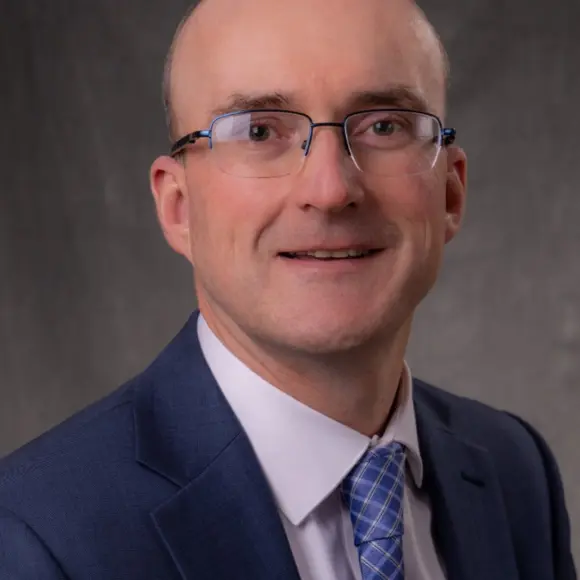
Bradley Chapman, FACHE
President
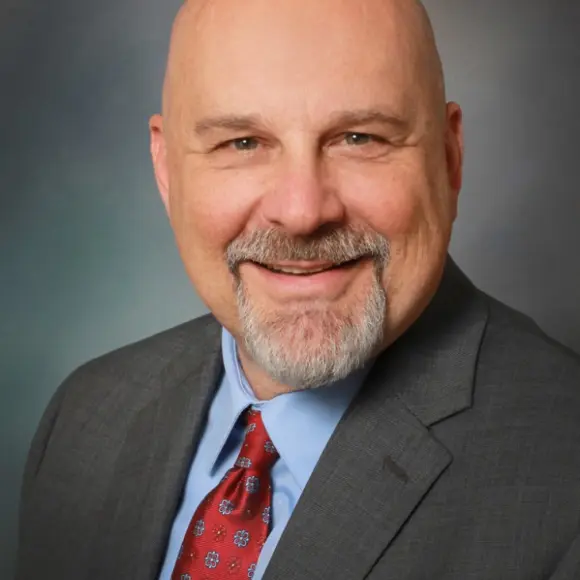
Scott Bonderoff, MBA
COO

Dr. Jennifer Rogers, MD
Chief Medical Officer
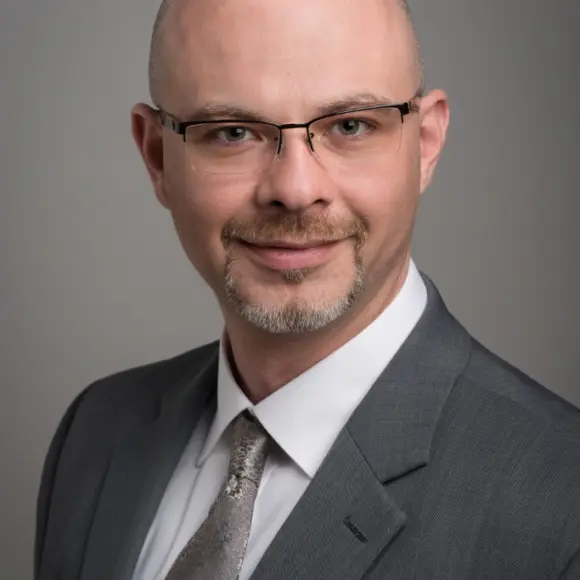
David Monroe, MBA, BSN, RN, CCRN
Chief Administrative Officer
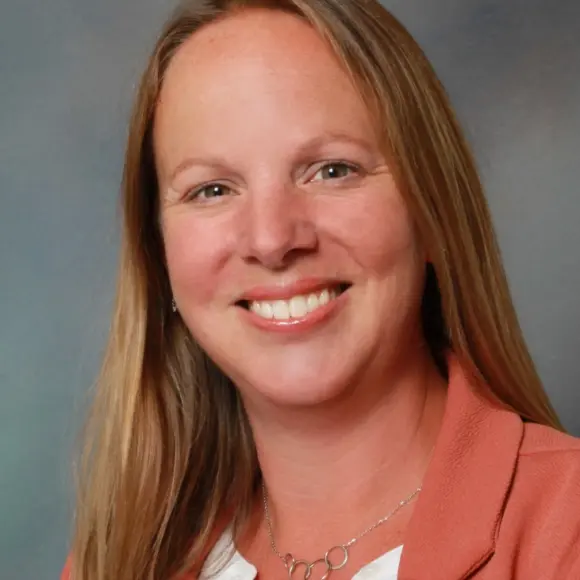
Jennifer Ruggles, MSN, RN
Chief Nursing Officer
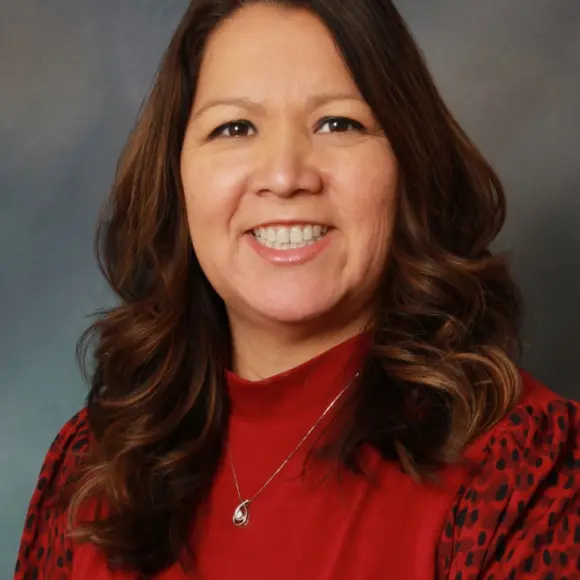
Lesley Zurek
Senior Director, Human Resources
Rehab.com regularly reviews this listing for accuracy but changes may occur between updates. For the most up-to-date information, please contact Bradford Regional Medical Center.
Contact Information

116 Interstate Parkway
Bradford, PA 16701
Get Help Now - 412-729-2267
Sponsored Helpline
Sponsored Helpline



