






























































































Reason I make this recommendation based on my experience: I asked if it was a soft pull or hard pull on my credit score before signing for treatment - they didn’t know while they where training someone else. I had to sign I was told (no choice ?) and my question was nev ...
About Brattleboro Retreat
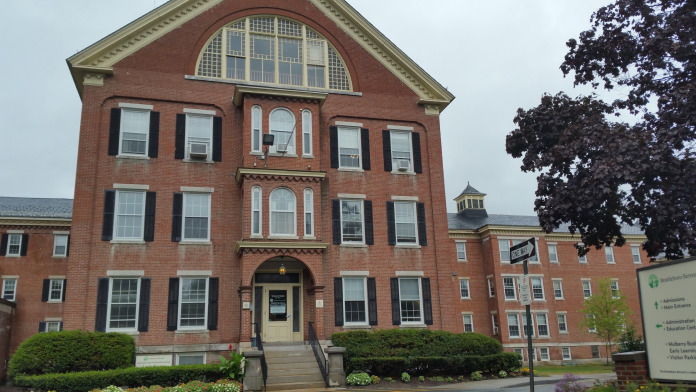
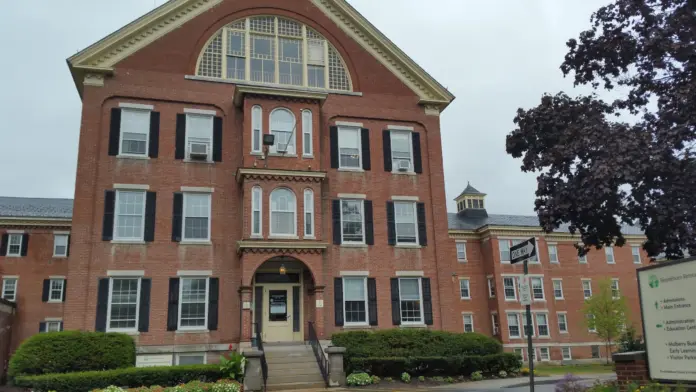
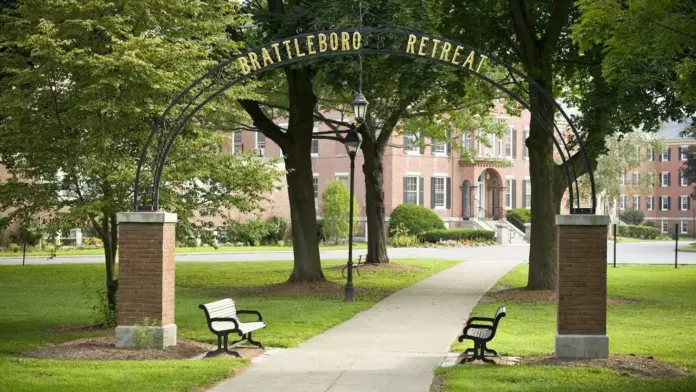
Brattleboro Retreat offers recovery programs rooted in scientific evidence and individualized to each patient’s unique needs. This rehab center offers everything from an adult inpatient program, adult intensive program, children’s inpatient program, and adult LGBTQ+ adult inpatient program to an impaired driver rehabilitation program and virtual intensive outpatient program (IOP).
Other substance abuse addiction treatment programs offered by Brattleboro Retreat include a transcranial magnetic stimulation program (TMS), a partial hospitalization program (PHP), and a Healthcare Professionals and First Responders program.
Brattleboro Retreat has contracts with more than 100 national and regional insurance carriers. These insurances include Blue Cross Blue Shield, AssuredPartners, Humana, Aetna, Cigna, Compsych, Kaiser Permanente, and Elevance. Yet, out-of-network coverage can differ when insurance isn’t accepted by this rehab center that’s why it’s best to speak with your provider to confirm coverage specifics.
Brattleboro Retreat is accredited by several state and national organizations, including The Joint Commission and the Vermont State Department of Education.
Facility Overview
 14
14 Number of Available Beds
Latest Reviews
I want to thank the Battleboro retreat for helping me many years ago. It's been about twenty years since I was there as a patient. To me they helped me the most out of all others that I got treatment. The stuff is wonderful and I can't thank you enough for saving my life. The name I used when I was there went by Ana Hartford. I use this name for privacy. So if you want to look me up it's Ana Hartford. IV been sober since I left the retreat.saying thank you is not enough to express my true feelings and how much you helped me.
The people here have absolutely horrid grammar. The only good thing about this place was the deck swap card in uno and the weetabix... unfortunately, King Jessica/Julian would limit my eating habits.
In all seriousness, when I first got to Brattleboro I was extremely nervous from the reviews I saw online being majorly negative (which then became an ongoing joke between me, my peers, and the staff - hence the beginning). That being said, for me, I found my stay there to be helpful and a good life experience to know that there's always someone who'll be there, even if you don't know them. I had lots of fun and made friends I'm still in contact with today. The staff is wonderful and only wants to help you, but I know this could be very different for other people going in there. So if you're like me, reading reviews as you drive over, just know that the living there can be hard and sometimes the kitchen will forget you ordered a grilled cheese, but you're there to get help and the staff is there to give you help so if you're cooperative, going to groups, and working on improvement - you're undeniably going to get better. Yes, some of the reviews are right and it can be a little scary to watch people be restrained, but you need to focus on yourself there.
The staff were amazing, it was difficult with the forced isolation and strict rules but after a while I realized it was necessary. Forced quiet when I couldn’t quiet myself. Caring and compassionate I needed them and proud to say I’m an Ally (LGBTQIA+)
One suggestion PLEASE ! Have everyone sign a release of info to their PCP right off on the day of discharge. Get the process started because it is a long and broken system to navigate and this will shorten it. It’s the patient who suffers from the 30 days plus process and the communication and paperwork that it takes for the two to talk to each other. It’s just one less thing we have to remember or concentrate on while trying to get back into the world again.

Rehab Score
 Our Methodology
Scoring is assigned by a proprietary system which helps surface key metrics that determine quality. The 10-point scale factors in categories such as operations, customer satisfaction, and trust metrics. Read Full Methodology

7.5 / 10
Gallery
Accepted Insurance
Other Forms of Payment
Medicaid is a state based program that helps lower-income individuals and families pay for healthcare. Medicaid covers addiction treatment so those enrolled can use their coverage to pay for rehab. When a program accepts Medicaid the client often pays very little or nothing out of their own pocket.
Private insurance refers to any kind of healthcare coverage that isn't from the state or federal government. This includes individual and family plans offered by an employer or purchased from the Insurance Marketplace. Every plan will have different requirements and out of pocket costs so be sure to get the full details before you start treatment.
Self-pay involves paying for treatment out of your own pocket. You can use savings or credit, get a personal loan, or receive help from family and friends to fund your treatment. If you don't have insurance or your insurance plan doesn't cover a specific program, self-pay can help ensure you still get the care you need.
Financial aid can take many forms. Centers may have grants or scholarships available to clients who meet eligibility requirements. Programs that receive SAMHSA grants may have financial aid available for those who need treatment as well. Grants and scholarships can help you pai for treatment without having to repay.
Medicare is a federal program that provides health insurance for those 65 and older. It also serves people under 65 with chronic and disabling health challenges. To use Medicare for addiction treatment you need to find a program that accepts Medicare and is in network with your plan. Out of pocket costs and preauthorization requirements vary, so always check with your provider.
Military members, veterans, and eligible dependents have access to specific insurance programs that help them get the care they need. TRICARE and VA insurance can help you access low cost or no cost addiction and mental health treatment. Programs that accept military insurance often have targeted treatment focused on the unique challenges military members, veterans, and their families face.
Private insurance refers to any kind of healthcare coverage that isn't from the state or federal government. This includes individual and family plans offered by an employer or purchased from the Insurance Marketplace. Every plan will have different requirements and out of pocket costs so be sure to get the full details before you start treatment.
Addiction Treatments
Levels of Care
Outpatient Programs (OP) are for those seeking mental rehab or drug rehab, but who also stay at home every night. The main difference between outpatient treatment (OP) and intensive outpatient treatment (IOP) lies in the amount of hours the patient spends at the facility. Most of the time an outpatient program is designed for someone who has completed an inpatient stay and is looking to continue their growth in recovery. Outpatient is not meant to be the starting point, it is commonly referred to as aftercare.
Residential treatment programs are those that offer housing and meals in addition to substance abuse treatment. Rehab facilities that offer residential treatment allow patients to focus solely on recovery, in an environment totally separate from their lives. Some rehab centers specialize in short-term residential treatment (a few days to a week or two), while others solely provide treatment on a long-term basis (several weeks to months). Some offer both, and tailor treatment to the patient's individual requirements.
At certain points in the recovery process, it's important to have support available 24/7. 24-hour clinical care offers a safe environment in which to recover from drug or alcohol addiction in peace, knowing medical detox and other treatment will happen with professionals on hand.
Completing a drug or alcohol rehab program shouldn't spell the end of substance abuse treatment. Aftercare involves making a sustainable plan for recovery, including ongoing support. This can include sober living arrangements like halfway houses, career counseling, and setting a patient up with community programs like Alcoholics Anonymous (AA) or Narcotics Anonymous (NA).
Drug and alcohol addiction often takes a heavy toll on one's body. Over time, a physical dependence can develop, meaning the body physiologically needs the substance to function. Detox is the process of removing drugs and/or alcohol from the body, a process that can be lethal if mismanaged. Medical detox is done by licensed medical professionals who monitor vital signs and keep you safe, healthy, and as comfortable as possible as you go through detox and withdrawal.
Intensive outpatient programs (IOP) provide high-level support for clients who do not need inpatient treatment or who prefer to live at home while in early recovery. Intensive outpatient rehabs also offer support for clients who are reintegrating into their community following inpatient care. Clients typically receive a minimum of nine hours of treatment per week, though many programs offer up to 20 therapeutic hours. Psychotherapy, recovery education, holistic therapies, and medication assisted treatment (MAT) are standard.
Often called "day treatment," a partial hospitalization program (PHP) allows you to receive intensive treatment while being able to return home each day. It is often an alternative to hospitalization and a "step-down" option from residential programs. PHP treatment typically offers daily treatment for a minimum of 20 hours a week. Depending on your progress, PHP treatment can average 90 days. PHP treatment is often covered by providers and includes relapse prevention, medication management, and behavioral therapy services.
Treatments
The goal of treatment for alcoholism is abstinence. Those with poor social support, poor motivation, or psychiatric disorders tend to relapse within a few years of treatment. For these people, success is measured by longer periods of abstinence, reduced use of alcohol, better health, and improved social functioning. Recovery and Maintenance are usually based on 12 step programs and AA meetings.
A person with substance dependence can achieve recovery through drug rehab in Vermont. Professional staff provide a combination of interventions that are designed to help you attain and maintain abstinence from drugs.
If the patient is struggling with both a substance abuse (chemical dependency) problem and one or more mental health issues (depression, anxiety, bipolar disorder) the Brattleboro Retreat’s adult treatment program for co-occurring disorders (sometimes called dual diagnosis treatment) can help. They will work with the patient to address the entire picture with a plan created just for you. Our short-term hospital (inpatient) program will provide you, or someone you love, with compassionate, high-quality:
A combined mental health and substance abuse rehab has the staff and resources available to handle individuals with both mental health and substance abuse issues. It can be challenging to determine where a specific symptom stems from (a mental health issue or an issue related to substance abuse), so mental health and substance abuse professionals are helpful in detangling symptoms and keeping treatment on track.
 Opioid Addiction
In a dual diagnosis treatment setting, you are able to receive care for both an addiction and a mental health disorder simultaneously. Each personalized dual diagnosis treatment plan includes a number of different mental health therapies and services, like cognitive-behavioral therapy (CBT), experiential therapies (equine and animal therapy, outdoor therapy groups, and individual or group counseling sessions. Relapse prevention education and emotional coping skills training are also commonly offered.
Programs
Adult rehab programs include therapies tailored to each client's specific needs, goals, and recovery progress. They are tailored to the specific challenges adult clients may face, including family and work pressures and commitments. From inpatient and residential treatment to various levels of outpatient services, there are many options available. Some facilities also help adults work through co-occurring conditions, like anxiety, that can accompany addiction.
At the Brattleboro Retreat, lesbian, gay, bisexual and transgender individuals will find a safe, supportive community of professionals and peers in an LGBT-positive, LGBT-affirming setting. Free from judgment. Free from prejudice. Services include drug and alcohol addiction, co-occurring disorders, anxiety, grief and loss issues, sexual identity, sexual trauma, sexual compulsivity, self-harming and suicidal behavior and other mental health issues.
Brattleboro Retreat offers specialized and Dedicated Treatment for Law Enforcement, Fire, Military, Corrections, and Emergency Medical Service Personnel. The program addresses serious problems including stress, alcohol abuse, drug addiction, anxiety, depression, post-traumatic stress disorder (PTSD).
Young adulthood can be an exciting, yet difficult, time of transition. Individuals in their late teens to mid-20s face unique stressors related to school, jobs, families, and social circles, which can lead to a rise in substance use. Rehab centers with dedicated young adult programs will include activities and amenities that cater to this age group, with an emphasis on specialized counseling, peer socialization, and ongoing aftercare.
The providers who specialize in the children's rehab space understand the specialized needs that this population faces. School-based and social services such as tutoring and family counseling are often central to treatment. Child programs may also address the needs of youth experiencing substance abuse in the home, including a parent's or sibling's addiction.
Clinical Services
Cognitive Behavioral Therapy (CBT) is a therapy modality that focuses on the relationship between one's thoughts, feelings, and behaviors. It is used to establish and allow for healthy responses to thoughts and feelings (instead of unhealthy responses, like using drugs or alcohol). CBT has been proven effective for recovering addicts of all kinds, and is used to strengthen a patient's own self-awareness and ability to self-regulate. CBT allows individuals to monitor their own emotional state, become more adept at communicating with others, and manage stress without needing to engage in substance abuse.
Dialectical Behavior Therapy (DBT) is a modified form of Cognitive Behavioral Therapy (CBT), a treatment designed to help people understand and ultimately affect the relationship between their thoughts, feelings, and behaviors. DBT is often used for individuals who struggle with self-harm behaviors, such as self-mutilation (cutting) and suicidal thoughts, urges, or attempts. It has been proven clinically effective for those who struggle with out-of-control emotions and mental health illnesses like Borderline Personality Disorder.
Research clearly demonstrates that recovery is far more successful and sustainable when loved ones like family members participate in rehab and substance abuse treatment. Genetic factors may be at play when it comes to drug and alcohol addiction, as well as mental health issues. Family dynamics often play a critical role in addiction triggers, and if properly educated, family members can be a strong source of support when it comes to rehabilitation.
Group therapy is any therapeutic work that happens in a group (not one-on-one). There are a number of different group therapy modalities, including support groups, experiential therapy, psycho-education, and more. Group therapy involves treatment as well as processing interaction between group members.
In individual therapy, a patient meets one-on-one with a trained psychologist or counselor. Therapy is a pivotal part of effective substance abuse treatment, as it often covers root causes of addiction, including challenges faced by the patient in their social, family, and work/school life.
Trauma therapy addresses traumatic incidents from a client's past that are likely affecting their present-day experience. Trauma is often one of the primary triggers and potential causes of addiction, and can stem from child sexual abuse, domestic violence, having a parent with a mental illness, losing one or both parents at a young age, teenage or adult sexual assault, or any number of other factors. The purpose of trauma therapy is to allow a patient to process trauma and move through and past it, with the help of trained and compassionate mental health professionals.
The core principles of motivational interviewing are acceptance, compassion, partnership, and evocation. This collaborative process offers a nonjudgmental environment where the therapist expresses sympathy, highlights the client's strengths, and empowers them to explore necessary change.
Amenities
-
 Private Setting
 -
 Private Rooms
 -
 Gym
Gym -
 Recreation Room
 -
 Meditation Room
Staff & Accreditations
Staff
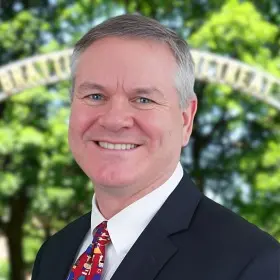
Steven Cummings, BSN, MBA
CEO
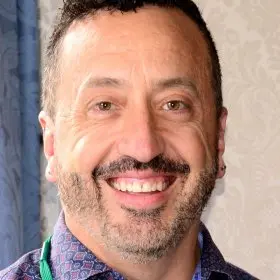
Karl Jeffries, MD
Chief Medical Officer
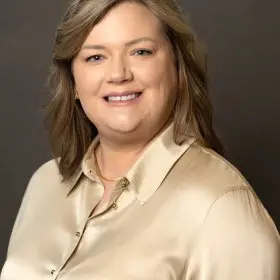
Jill Meschke
CFO
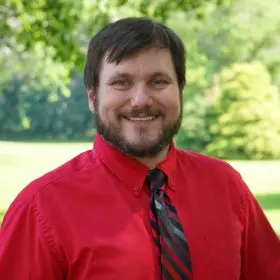
Kurt White, MSW
VP of Community Partnerships & Communications
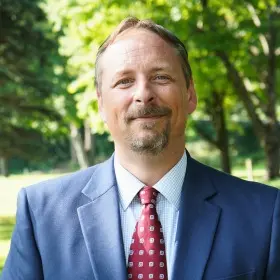
Erik Rosenbauer, MS
VP of Operations

Valerie Ostrander
VP of Revenue Cycle Management and Outpatient
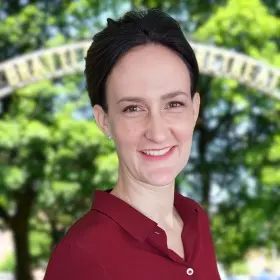
Amelia Shillingford, PMHNP-BC, ANP-BC
Chief Nursing Officer

Christine Konkowski
VP of Human Resources
Accreditations

The Substance Abuse and Mental Health Services Administration (SAMHSA) is a branch of the U.S. Department of Health and Human Services. Established in 1992 by congress, SAMHSA's mission is to reduce the impact of substance abuse and mental illness on American's communities.
SAMHSA Listed: Yes

The Commission on Accreditation of Rehabilitation Facilities (CARF) is a non-profit organization that specifically accredits rehab organizations. Founded in 1966, CARF's, mission is to help service providers like rehab facilities maintain high standards of care.
CARF Accreditation: Yes

The Joint Commission, formerly known as JCAHO, is a nonprofit organization that accredits rehab organizations and programs. Founded in 1951, the Joint Commision's mission is to improve the quality of patient care and demonstrating the quality of patient care.
Joint Commission Accreditation: Yes

State Licenses are permits issued by government agencies that allow rehab organizations to conduct business legally within a certain geographical area. Typically, the kind of program a rehab facility offers, along with its physical location, determines which licenses are required to operate legally.
State License: Vermont
Rehab.com regularly reviews this listing for accuracy but changes may occur between updates. For the most up-to-date information, please contact Brattleboro Retreat.
Contact Information

22 Anna Marsh Lane
Brattleboro VT, 05302
Get Help Now - 802-681-4632
Sponsored Helpline
Sponsored Helpline



