





























































































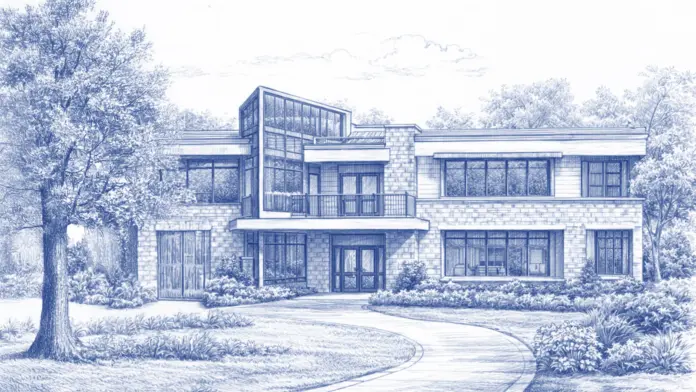
About Brooks Healing Center Nashville Drug & Alcohol Rehab
Brooks Healing Center Nashville Drug & Alcohol Rehab in Tennessee, provides addiction treatment services to adults struggling with substance abuse and mental health issues. Most commercial health insurance plans are accepted, including Medicare. Payment plans and treatment grants are also available to individuals needing financial support.
A Rural Drug Rehab 1 Hour From Nashville
You’ll find this facility just over an hour out of Nashville, allowing clients easy access to city life and resources, while also offering enough distance to ensure peace and space from day to day distractions.
The center is located on a spacious, rural 36 acre campus along the Duck River, with ample opportunities for clients to reflect and engage in mindful activities.
A Holistic Detox Center & Residential Recovery Experience
The treatment offering here includes medical detox, providing clients with safe withdrawal in the hands of experienced staff, along with daily monitoring. This phase can last around 3 to 14 days. Meanwhile, the residential program offers an immersive 30 to 45 day recovery experience, featuring daily and weekly therapy sessions.
Evidence Based and Holistic Treatment Options
Some of the methods and activities used include brainspotting, garden therapy, equine therapy, arts and crafts, fishing, nature exploration, kayaking and adventure therapy.
Accommodation is gender separated, with residents enjoying chef prepared, nutritious meals, comprised of locally sourced proteins and wholesome garden produce.

Rehab Score
 Our Methodology


Location
Accepted Insurance
Other Forms of Payment
Private insurance refers to any kind of healthcare coverage that isn't from the state or federal government. This includes individual and family plans offered by an employer or purchased from the Insurance Marketplace. Every plan will have different requirements and out of pocket costs so be sure to get the full details before you start treatment.
Self-pay involves paying for treatment out of your own pocket. You can use savings or credit, get a personal loan, or receive help from family and friends to fund your treatment. If you don't have insurance or your insurance plan doesn't cover a specific program, self-pay can help ensure you still get the care you need.
Addiction Treatments
Levels of Care
To keep you safe and comfortable during the detoxification process, a medically assisted detox provides you with a team of medical professionals who can provide the necessary medications to treat any potential withdrawal symptoms. Suddenly stopping chronic abuse of substances like alcohol, benzodiazepines, or opioids can have uncomfortable and even dangerous side effects.
Inpatient rehabs are designed principally for clients who require intensive supervision and support, including clients who have just completed detox, clients in early recovery, and clients at an elevated risk of relapse. Inpatient treatment helps clients stabilize following detox and prepares them to step-down into outpatient and/or community-based care. Clients reside at the facility for the duration of their program and engage in extensive addiction counseling and education. Many programs also offer evidence-based complementary therapies.
Treatments
Alcohol use disorder (AUD) is a treatable condition characterized by uncontrolled consumption of alcohol which continues despite negative consequences. Treatment options for alcohol addiction include inpatient or outpatient alcohol rehab in Tennessee. Therapeutic methods include group and individual therapy, medication, and holistic therapies. Aftercare is often provided through 12-step support groups, which offer ongoing accountability and encouragement.
When your day-to-day life is taken over by drug use, this is known as substance use disorder. If you abruptly stop using your drug of choice, you experience withdrawal symptoms. To overcome this cycle, professional drug rehab in Tennessee is usually needed.
In Tennessee, dual-diagnosis addiction treatment programs provide integrated care for individuals with co-occurring substance use disorders and mental health conditions. Offered on an outpatient or inpatient basis, addiction experts utilize evidence-based therapies, such as cognitive-behavioral therapy (CBT), dialectical behavior therapy (DBT), together with recovery and skills groups, to address both disorders and promote mental health. You'll also receive comprehensive aftercare planning and relapse prevention training.
Clinical Services
Typical cognitive behavioral therapy in Tennessee involves recognizing negative thinking and learning techniques to change that thinking and create new, positive behaviors. Strategies may include SMART goals, journaling, and situation exposure.
Trauma therapy is a safe place to work through the lingering effects of traumatic events in your life. Your therapist will help you understand the physical and emotional responses that can develop after witnessing or experiencing a traumatic event. You then work toward developing healthier coping mechanisms to reduce your symptoms.
A wide range of therapeutic methods fall under the category of experiential therapy. Examples include drama therapy, animal assisted therapy, wilderness therapy, music therapy, and martial arts. Each of these offers an experience that allows the individual to express themselves and work through their emotions and experiences.
Amenities
-
 Gardens
Accreditations

The Joint Commission, formerly known as JCAHO, is a nonprofit organization that accredits rehab organizations and programs. Founded in 1951, the Joint Commision's mission is to improve the quality of patient care and demonstrating the quality of patient care.
Joint Commission Accreditation: Yes
Rehab.com regularly reviews this listing for accuracy but changes may occur between updates. For the most up-to-date information, please contact Brooks Healing Center Nashville Drug & Alcohol Rehab.
Contact Information


5115 Maryland Way Suite 103, Brentwood, TN 37027
Sponsored Helpline
