Tree House Recovery PDX
1
Top 10 Rehab Centers In Portland

















































































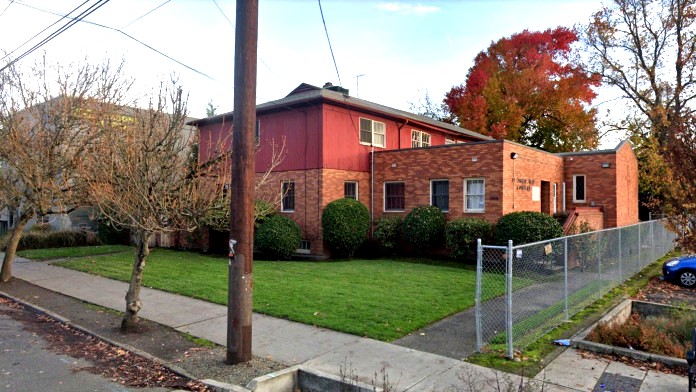
Catholic Community Services is a licensed children’s mental health provider, and behavioral health facility based in Portland, Oregon. Programs are available to young people aged 5-17 years, adults, and families struggling with mental and behavioral health, homelessness, and other social issues. Fees are based on a sliding scale for more accessible care, while Medicaid/Apple Health are also accepted, along with various commercial health plans.
The center’s crisis services are designed to provide stabilization for young people experiencing mental health crises. Program participants can present at local emergency departments in metro area hospitals, as well as county crisis walk-in centers.
If they have private insurance, they can also access crisis and transition services, or CATS, which typically last up to 45 days or less. Those with Medicaid through Trillium CCO or CareOregon/HealthShare CCO can access crisis stabilization services up to 90 days in length.
Mobile crisis services are another treatment option that is focused on assessing clients’ unique needs and supporting them in referral onto relevant ongoing care, whether that’s at a detox center, or more specialized drug rehab or psychiatric facilities.
Meanwhile, participants have access to 24/7 in-person and over-the-phone crisis support, individual and family therapy, peer support, skills training (though this is available only to those with Medicaid), and psychiatric medication management.
The center’s specialty is in providing support to marginalized and vulnerable populations, in line with its Catholic roots and social teachings. It also features multilingual staff, and can offer translation services as needed for more accessible support.


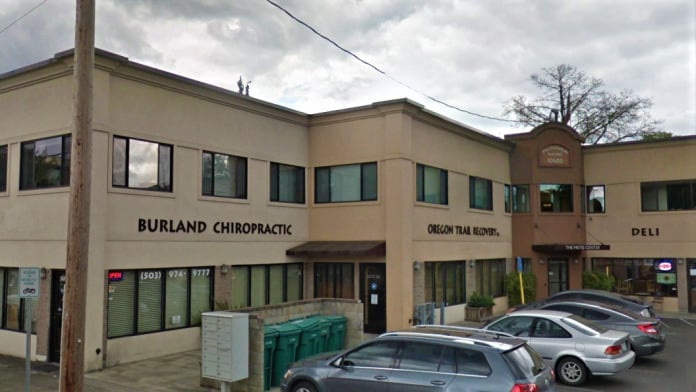
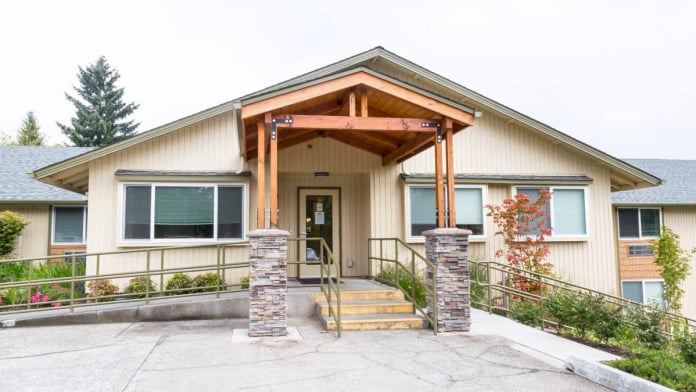
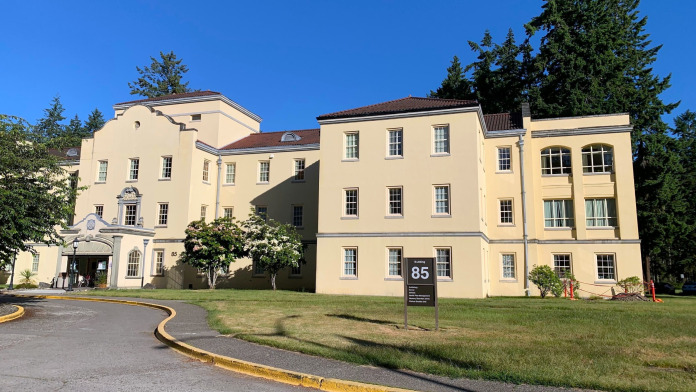
 167
167 
 Our Methodology


Medicaid is a state based program that helps lower-income individuals and families pay for healthcare. Medicaid covers addiction treatment so those enrolled can use their coverage to pay for rehab. When a program accepts Medicaid the client often pays very little or nothing out of their own pocket.
Private insurance refers to any kind of healthcare coverage that isn't from the state or federal government. This includes individual and family plans offered by an employer or purchased from the Insurance Marketplace. Every plan will have different requirements and out of pocket costs so be sure to get the full details before you start treatment.
Self-pay involves paying for treatment out of your own pocket. You can use savings or credit, get a personal loan, or receive help from family and friends to fund your treatment. If you don't have insurance or your insurance plan doesn't cover a specific program, self-pay can help ensure you still get the care you need.
Outpatient Programs (OP) are for those seeking mental rehab or drug rehab, but who also stay at home every night. The main difference between outpatient treatment (OP) and intensive outpatient treatment (IOP) lies in the amount of hours the patient spends at the facility. Most of the time an outpatient program is designed for someone who has completed an inpatient stay and is looking to continue their growth in recovery. Outpatient is not meant to be the starting point, it is commonly referred to as aftercare.
Many of those suffering from addiction also suffer from mental or emotional illnesses like schizophrenia, bipolar disorder, depression, or anxiety disorders. Rehab and other substance abuse facilities treating those with a dual diagnosis or co-occurring disorder administer psychiatric treatment to address the person's mental health issue in addition to drug and alcohol rehabilitation.
Mental health rehabs focus on helping individuals recover from mental illnesses like bipolar disorder, clinical depression, anxiety disorders, schizophrenia, and more. Mental health professionals at these facilities are trained to understand and treat mental health issues, both in individual and group settings.
Cognitive Behavioral Therapy (CBT) is a therapy modality that focuses on the relationship between one's thoughts, feelings, and behaviors. It is used to establish and allow for healthy responses to thoughts and feelings (instead of unhealthy responses, like using drugs or alcohol). CBT has been proven effective for recovering addicts of all kinds, and is used to strengthen a patient's own self-awareness and ability to self-regulate. CBT allows individuals to monitor their own emotional state, become more adept at communicating with others, and manage stress without needing to engage in substance abuse.
Whether a marriage or other committed relationship, an intimate partnership is one of the most important aspects of a person's life. Drug and alcohol addiction affects both members of a couple in deep and meaningful ways, as does rehab and recovery. Couples therapy and other couples-focused treatment programs are significant parts of exploring triggers of addiction, as well as learning how to build healthy patterns to support ongoing sobriety.
Dialectical Behavior Therapy (DBT) is a modified form of Cognitive Behavioral Therapy (CBT), a treatment designed to help people understand and ultimately affect the relationship between their thoughts, feelings, and behaviors. DBT is often used for individuals who struggle with self-harm behaviors, such as self-mutilation (cutting) and suicidal thoughts, urges, or attempts. It has been proven clinically effective for those who struggle with out-of-control emotions and mental health illnesses like Borderline Personality Disorder.
Experiential therapy is a form of therapy in which clients are encouraged to surface and work through subconscious issues by engaging in real-time experiences. Experiential therapy departs from traditional talk therapy by involving the body, and having clients engage in activities, movements, and physical and emotional expression. This can involve role-play or using props (which can include other people). Experiential therapy can help people process trauma, memories, and emotion quickly, deeply, and in a lasting fashion, leading to substantial and impactful healing.
Research clearly demonstrates that recovery is far more successful and sustainable when loved ones like family members participate in rehab and substance abuse treatment. Genetic factors may be at play when it comes to drug and alcohol addiction, as well as mental health issues. Family dynamics often play a critical role in addiction triggers, and if properly educated, family members can be a strong source of support when it comes to rehabilitation.
Group therapy is any therapeutic work that happens in a group (not one-on-one). There are a number of different group therapy modalities, including support groups, experiential therapy, psycho-education, and more. Group therapy involves treatment as well as processing interaction between group members.
In individual therapy, a patient meets one-on-one with a trained psychologist or counselor. Therapy is a pivotal part of effective substance abuse treatment, as it often covers root causes of addiction, including challenges faced by the patient in their social, family, and work/school life.
Trauma therapy addresses traumatic incidents from a client's past that are likely affecting their present-day experience. Trauma is often one of the primary triggers and potential causes of addiction, and can stem from child sexual abuse, domestic violence, having a parent with a mental illness, losing one or both parents at a young age, teenage or adult sexual assault, or any number of other factors. The purpose of trauma therapy is to allow a patient to process trauma and move through and past it, with the help of trained and compassionate mental health professionals.
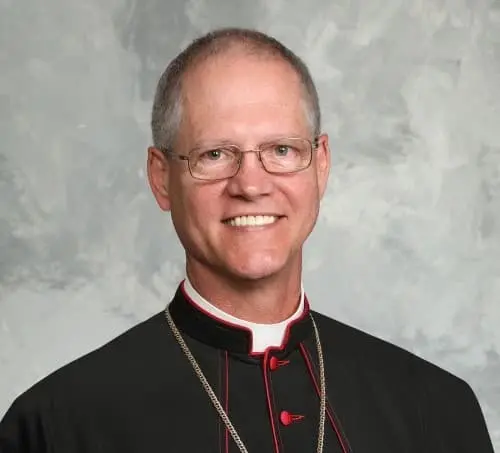
Archbishop of Seattle
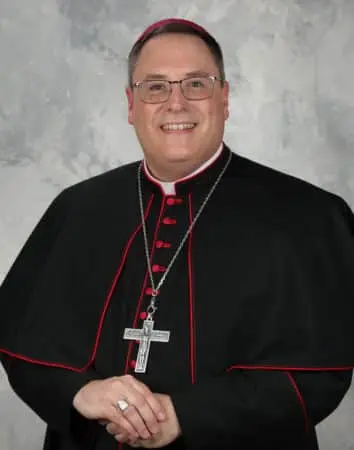
Chair

Vice-Chair
Ex-Officio
Board of Trustee
Board of Trustee
Board of Trustee
Board of Trustee

1904 Se Division street
Portland, OR 97202
Sponsored Helpline

When I was a kid, I didn’t really have many people in my life that I felt cared about me I had the pleasure to have a few mentors at Catholic community services for instance, Mike Ben and Ryan stand out when I think about the people that truly impacted my life in a super meaningful way. I feel like I’m a better man because of my mentors I just want catholic community services to know that I’m grateful and appreciative of the services that they provided when I was a child.

Johnathan Pleasant has been a wonderful help in navigating the dhs system. He is very good with young people but also encouraging adults. God bless his ministry.

1. Your therapists misdiagnosed my daughter put her on seraquil which made her extremely worse, then knowing she makes false allegations you sent her to the hospital and she was taken from me because of you. These people are horrible. They said they would back me up in court but "mysteriously " disappeared shortly after and even changed their numbers. When I needed help they didn't do anything but Make it worse and her behavior was out of control. The neighbors were yelling at me because of her behavior and I was getting noise complaints from her screaming profanities out the window and yelling at me to go kill yourself. Take her to the hospital they said. Never saw her again . all I was trying to do was get help for us and they ruined my life. Now she's in a group home in Medford Oregon hours away and have no contact Even though the Allegations were found to be Unsubstantiated and false. Oregon let's kids run away from their parents and let's them make decisions like adults and I hold you accountable for aiding in this.

I have so much RAVE TO SAY!!! The staff here is phenomenal such great communication and accommodations . They definitely saved our household’s little life so thankful for SJ , Marcus, Dawn & Dave for their support and time!!! The team did some Good work and we saw some major major improvements !! I’ll forever miss them and remember them
 Back
Back
Sharing your insights and experiences can help others learn more about this rehab center.