





























































































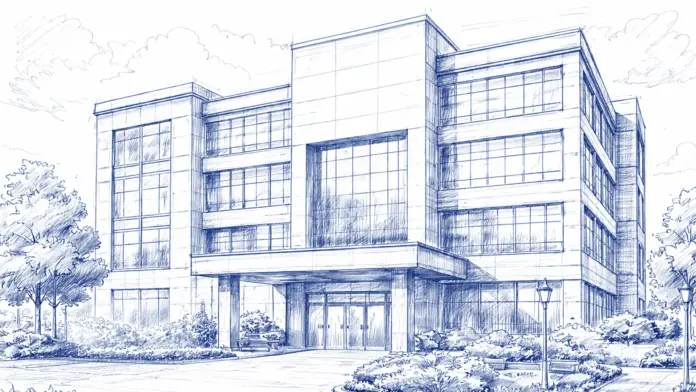
About Centerstone Greensburg
Centerstone – Greensburg, Indiana is a special facility that provides comprehensive outpatient treatment to individuals who experience substance use disorders. They will work hard to support you through every step of your recovery process. You may be offered medication assisted treatment (MAT) options such as buprenorphine and naltrexone alongside mental health services. The center serves young adults, adults, and individuals in a welcoming setting designed for your comfort.
What strikes us most about Centerstone is their use of telemedicine to keep therapy accessible and convenient. We like that they accept a wide range of insurance options including Medicare, Medicaid, TRICARE and private plans with payment assistance available. This helps make care possible no matter your financial situation.
Trauma Informed Support for Your Needs
Centerstone provides specialized services that can be especially helpful if you’ve faced trauma, domestic violence or are involved with the criminal justice system. Their approach addresses both mental health and substance use with a focus on relapse prevention and motivational support. You’ll be cared for with respect and understanding throughout your treatment.
Accessible Care Options
As part of their MAT program, you can receive outpatient methadone, buprenorphine or naltrexone treatments tailored to your needs. The program includes therapeutic counseling that supports long term recovery and healing. Their sliding fee scale ensures you can access services without added financial stress.
Local Activities After Appointments
After your visits, you might enjoy a walk at Greensburg City Park to clear your mind. The Decatur County Historical Society Museum offers a quiet place to explore local history. For fun, we encourage you to catch a movie at Wolf Theatres or visit Highpoint Orchard during the fruit season to unwind.
Latest Reviews



Rehab Score
 Our Methodology


Gallery
Other Forms of Payment
Medicaid is a state based program that helps lower-income individuals and families pay for healthcare. Medicaid covers addiction treatment so those enrolled can use their coverage to pay for rehab. When a program accepts Medicaid the client often pays very little or nothing out of their own pocket.
Private insurance refers to any kind of healthcare coverage that isn't from the state or federal government. This includes individual and family plans offered by an employer or purchased from the Insurance Marketplace. Every plan will have different requirements and out of pocket costs so be sure to get the full details before you start treatment.
Self-pay involves paying for treatment out of your own pocket. You can use savings or credit, get a personal loan, or receive help from family and friends to fund your treatment. If you don't have insurance or your insurance plan doesn't cover a specific program, self-pay can help ensure you still get the care you need.
Financial aid can take many forms. Centers may have grants or scholarships available to clients who meet eligibility requirements. Programs that receive SAMHSA grants may have financial aid available for those who need treatment as well. Grants and scholarships can help you pai for treatment without having to repay.
Sliding scale payments are based on a client's income and family size. The goal is to make treatment affordable to everyone. By taking these factors into account, addiction recovery care providers help ensure that your treatment does not become a financial burden to you or your family, eliminating one barrier to care.
Medicare is a federal program that provides health insurance for those 65 and older. It also serves people under 65 with chronic and disabling health challenges. To use Medicare for addiction treatment you need to find a program that accepts Medicare and is in network with your plan. Out of pocket costs and preauthorization requirements vary, so always check with your provider.
Military members, veterans, and eligible dependents have access to specific insurance programs that help them get the care they need. TRICARE and VA insurance can help you access low cost or no cost addiction and mental health treatment. Programs that accept military insurance often have targeted treatment focused on the unique challenges military members, veterans, and their families face.
Addiction Treatments
Levels of Care
Outpatient Programs (OP) are for those seeking mental rehab or drug rehab, but who also stay at home every night. The main difference between outpatient treatment (OP) and intensive outpatient treatment (IOP) lies in the amount of hours the patient spends at the facility. Most of the time an outpatient program is designed for someone who has completed an inpatient stay and is looking to continue their growth in recovery. Outpatient is not meant to be the starting point, it is commonly referred to as aftercare.
Inpatient rehab provides intensive, round-the-clock care and is designed primarily for clients who have just completed detox, those in early recovery, and those at an increased risk of relapse. Inpatient treatment typically includes extensive psychotherapy that draws on various modalities like cognitive behavioral therapy (CBT) and motivational interviewing. Clients also learn the recovery-focused life skills needed to promote sustained recovery. Many inpatient drug rehabs also offer evidence-based holistic therapies like meditation, yoga, massage, and experiential therapy.
Persons who require high-level support but who do not wish to leave their homes or communities may enroll in an intensive outpatient program (IOP). Clients typically commit to a minimum of nine treatment hours across three therapeutic sessions per week, but many programs offer up to 20 hours of care weekly. Most intensive outpatient rehabs provide a combination of psychotherapy, recovery education, and holistic care. Medication assisted treatment (MAT) is widely available for those in alcohol or opioid recovery.
Clients receiving support in a rehab aftercare program have completed inpatient care and may also be preparing to exit formal outpatient care. Outpatient services are typically categorized as rehab aftercare, but these services often continue beyond the cessation of formal treatment. Rehab aftercare services are designed to promote life-long recovery through comprehensive, wraparound care, which may include medical, mental health, and social services. These programs are usually created in collaboration with the client's case manager and care team.
12 step programs foster participants' long-term sobriety through personal growth rooted in spiritual principles, though religious affiliation is not mandatory. Most 12 step meetings are non-denominational but are based on the belief in a higher power. Participants learn to understand and address the causes of their addiction, accept responsibility for their choices, and relinquish control for that which cannot be changed. Regular group meetings and mentoring by a self-selected sponsor are required.
The number one rule of a sober living home in Indiana is that residents cannot use or bring alcohol or drugs into the home. Breaking this rule typically results in eviction. In addition to this rule, men's and women's sober living homes have other standards that residents must meet. These usually include maintaining a job, helping with meal preparation and house cleaning, and attending 12-step meetings.
When families plan a drug intervention in Indiana, the goal is to create self-awareness in their loved one, so they acknowledge the need for treatment and get help. A professional interventionist can work with the individual's family members to organize this intervention and provide direction for follow-up. During the intervention, loved ones share how the individual's substance abuse has affected them, and the interventionist adds a clinical perspective on how treatment can help the situation.
A partial hospitalization program (PHP) can provide intensive rehab on a short-term basis. While PHP treatment typically requires a commute, telehealth may be available. PHP treatment costs can vary but are often covered by most insurance. The program duration can vary to meet your specific needs and require you to meet for a minimum of 20 hours a week for an average of 90 days. PHP Treatment services often include relapse prevention strategies, medication management, individual and group counseling, and other behavioral therapy interventions.
When you receive 24-hour clinical care in Indiana, you'll be under constant supervision from highly trained medical staff. Nurses, doctors, and addiction specialists provide medications and other treatment to address withdrawal symptoms and any additional medical needs. Common medications that are prescribed include valium and Librium to relieve alcohol withdrawal, and anti-depressants to relieve cocaine withdrawal. For opioid abuse, doctors may prescribe methadone or naltrexone to manage cravings and clonidine to treat high blood pressure.
When removing addictive substances from your body under the care of licensed medical professionals, the process is called medically assisted detox. Once you've become physically dependent on substances like alcohol, opioids, or benzodiazepines, quitting can be uncomfortable or even dangerous. To minimize risks to your health and overall discomfort, a team of medical professionals monitors you 24/7 and provides medications if necessary (like Suboxone or methadone) to ease potential symptoms of withdrawal.
Treatments
Many of those suffering from addiction also suffer from mental or emotional illnesses like schizophrenia, bipolar disorder, depression, or anxiety disorders. Rehab and other substance abuse facilities treating those with a dual diagnosis or co-occurring disorder administer psychiatric treatment to address the person's mental health issue in addition to drug and alcohol rehabilitation.
Mental health rehabs focus on helping individuals recover from mental illnesses like bipolar disorder, clinical depression, anxiety disorders, schizophrenia, and more. Mental health professionals at these facilities are trained to understand and treat mental health issues, both in individual and group settings.
Programs
Adult rehab programs include therapies tailored to each client's specific needs, goals, and recovery progress. They are tailored to the specific challenges adult clients may face, including family and work pressures and commitments. From inpatient and residential treatment to various levels of outpatient services, there are many options available. Some facilities also help adults work through co-occurring conditions, like anxiety, that can accompany addiction.
Young adulthood can be an exciting, yet difficult, time of transition. Individuals in their late teens to mid-20s face unique stressors related to school, jobs, families, and social circles, which can lead to a rise in substance use. Rehab centers with dedicated young adult programs will include activities and amenities that cater to this age group, with an emphasis on specialized counseling, peer socialization, and ongoing aftercare.
Clinical Services
Group therapy is any therapeutic work that happens in a group (not one-on-one). There are a number of different group therapy modalities, including support groups, experiential therapy, psycho-education, and more. Group therapy involves treatment as well as processing interaction between group members.
In individual therapy, a patient meets one-on-one with a trained psychologist or counselor. Therapy is a pivotal part of effective substance abuse treatment, as it often covers root causes of addiction, including challenges faced by the patient in their social, family, and work/school life.
Motivational interviewing aims to stimulate the client's personal motivation and commitment to change. Rather than receive advice and warnings from the therapist, the client is given the opportunity to share their concerns and reach their own conclusions.
Trauma therapy addresses traumatic incidents from a client's past that are likely affecting their present-day experience. Trauma is often one of the primary triggers and potential causes of addiction, and can stem from child sexual abuse, domestic violence, having a parent with a mental illness, losing one or both parents at a young age, teenage or adult sexual assault, or any number of other factors. The purpose of trauma therapy is to allow a patient to process trauma and move through and past it, with the help of trained and compassionate mental health professionals.
Whether a marriage or other committed relationship, an intimate partnership is one of the most important aspects of a person's life. Drug and alcohol addiction affects both members of a couple in deep and meaningful ways, as does rehab and recovery. Couples therapy and other couples-focused treatment programs are significant parts of exploring triggers of addiction, as well as learning how to build healthy patterns to support ongoing sobriety.
Research clearly demonstrates that recovery is far more successful and sustainable when loved ones like family members participate in rehab and substance abuse treatment. Genetic factors may be at play when it comes to drug and alcohol addiction, as well as mental health issues. Family dynamics often play a critical role in addiction triggers, and if properly educated, family members can be a strong source of support when it comes to rehabilitation.
Life skills include cognitive skills, interpersonal skills, and personal skills that help you manage daily living. Cultivating these skills during rehab in Indiana is an important part of recovery. With these skills, you'll be able to navigate challenges and prevent relapse.
To function properly, your body must have nutritional balance. Addiction throws off this balance by depleting your body of essential nutrients. Nutrition therapy aims to restore this balance by providing a healthy diet that supports healing and long term sobriety.
Recreational therapy integrates structured activities into a holistic treatment program to help promote your physical and mental health and well being. You might engage in sports, creative arts, or outdoor adventures as a positive outlet for your stress and emotions. This helps you develop new interests and build a supportive network that helps you maintain long term sobriety.
Creative arts therapy opens an alternative pathway to emotional health. For those who find it difficult to talk about their feelings, it provides a new way to express feelings and thoughts. Options include poetry, music, journaling, dance, and painting.
Experiential therapy is a form of therapy in which clients are encouraged to surface and work through subconscious issues by engaging in real-time experiences. Experiential therapy departs from traditional talk therapy by involving the body, and having clients engage in activities, movements, and physical and emotional expression. This can involve role-play or using props (which can include other people). Experiential therapy can help people process trauma, memories, and emotion quickly, deeply, and in a lasting fashion, leading to substantial and impactful healing.
Amenities
-
 Private Setting
Staff & Accreditations
Staff
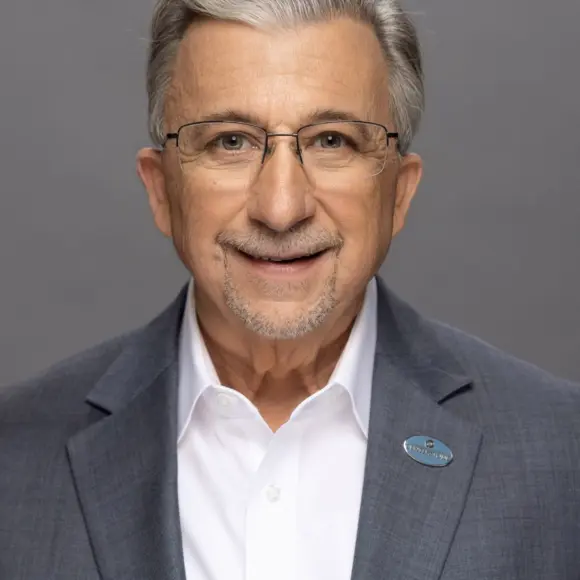
David Guth
Chief Executive Officer
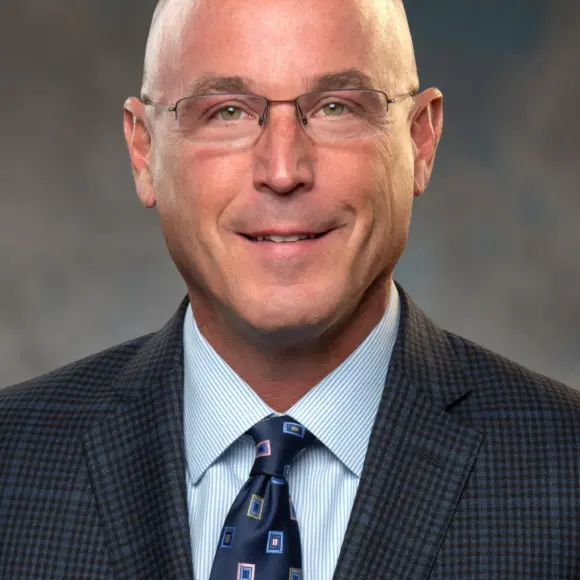
Kevin Norton
Chief Operations Officer
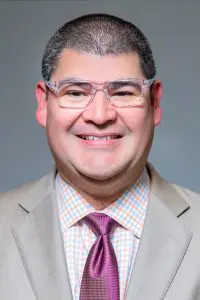
Dr. Jason Hernández
Chief Human Resources Officer
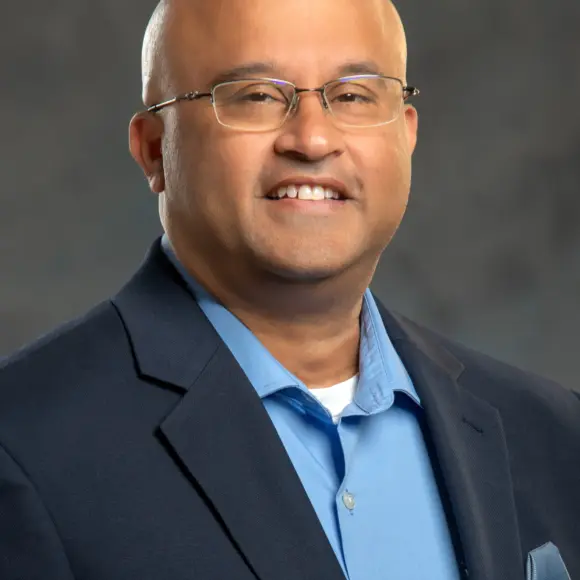
Prasad Kodali
Chief Information Officer
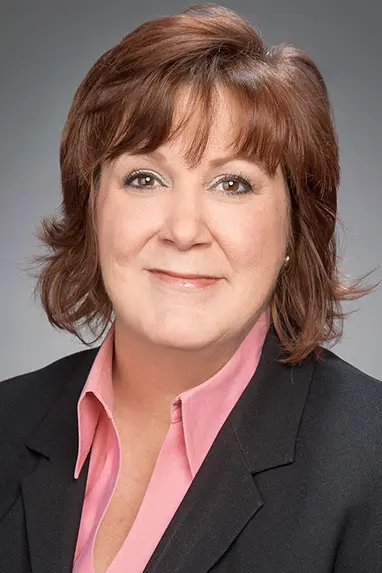
Johnel Reid
Chief Marketing Officer
Accreditations

The Commission on Accreditation of Rehabilitation Facilities (CARF) is a non-profit organization that specifically accredits rehab organizations. Founded in 1966, CARF's, mission is to help service providers like rehab facilities maintain high standards of care.
CARF Accreditation: Yes

The National Association of Addiction Treatment Providers (NAATP) is a professional association that represents organizations in the field of addiction services. Founded in 1978, NAATP's mission is to advance addiction services and ensure that high-quality addiction treatment is available and accessible.
NAATP Member: Yes
Rehab.com regularly reviews this listing for accuracy but changes may occur between updates. For the most up-to-date information, please contact Centerstone Greensburg.
Contact Information


1530 Commerce Park West Drive
Greensburg IN, 47240
Sponsored Helpline



