































































































Even if you have failed before, but now you are committed to make a change and be clean, this is your place to go. They are helpful, and if you follow their rules, you will be able to live a better life. Choices has been great for me, and I highly recommend it to other peop ...
About Choices of Louisiana
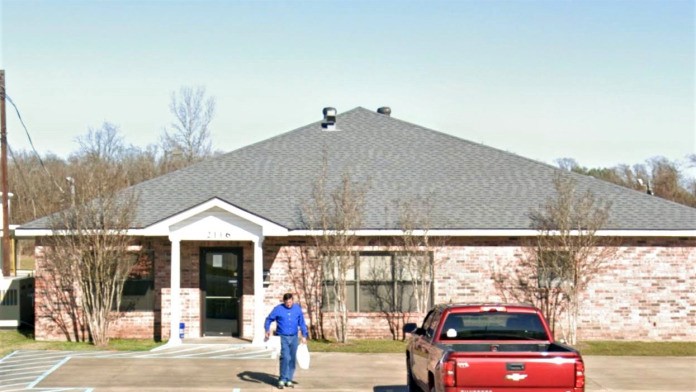
Choices of Louisiana is an outpatient program for opioid use disorder located in Alexandria, Louisiana, on the south bank of the Red River. They are CARF accredited and LegitScript certified and accept Medicare, Medicaid and most private insurances. They also have a self pay option. Many of their locations are a part of the VA Community Care Network.
Three Phases of Treatment
They offer medication assisted treatment (MAT) with methadone and buprenorphine in three phases. The induction phase is the initial dose, during which you’ll work with medical providers to find the right dose for you. The second phase is stabilization, when the cravings and withdrawal symptoms start to fade. This is when you can start to focus on living a healthier lifestyle. In the third or maintenance phase, you’re able to dose on your own at home, freeing you up from daily treatment center visits.
A Lifetime of Support
In addition they provide individual and group counseling, as well as case management to help you plan your treatment and connect to community resources. Medical checkups and assessments are available, and they work with local physicians, psychologists and psychiatrists to offer referrals and ensure your continuity of care. There’s also assistance with transportation and housing. Clients receive support for life after treatment.
Latest Reviews
Been going here for years. The doctor is someone who listens and cares. Cameron is an amazing counselor. I travel a lot for work which makes methadone maintenance pretty difficult but this place works with me, not against me. And that says a lot about them and my counselor, Cameron. They care.
Response from the owner1 week ago
This kind review means so much, thanks for taking the time to share!
Been a patient for quite a while and have had many counselors,,, I would just like to say how Mrs. Selena has been by far the best one I've had. I have built a great relationship with her. I never feel like she judgeing me on who I was in the past and sitting in her office is like meeting with a friend and I think that's gotta be the way all patients can ask for in a counselor. She has went out of her way several times to make sure I was accommodated to what I needed and for that I am so grateful... I know without a doubt this woman is part of the success ive had in mmt &my personal life..For a long time I had the impression counselors were just out to make our day harder than it already is and were judging us because of our addiction but Ms Selena has me looking at counselors different. So again thank you Ms Selena,,, I wish I could do more to show you how much you've impacted me ,,,I owe her big time,
Response from the owner1 week ago
Thank you so much for the kind review! This is exactly what we love to hear.
Been going here 8 years even before it was baarts but since it's changed company its been even better i had some doubts lately and so I had a site down with my councilor and she cleared up all my doubts she does care they all do it's not their fault this happened I apologize for being so upset im staying at my home clinic the medicine just is better I gueessed dosed atba sister clinic last week and i think the red liquid they have the dye in it does something to me and effects me bad so I'm staying home where I started my treatment this place saved my life and I need to say that just when you think they don't care they do sometimes being human is making mistakes and getting upset but this place is good they care about not just the recovery but they care about the person's wellbeing and how they are doing. The Dr. Is real understanding down to earth but doesnt play which he shouldnt i like that he is serious but makes you comfortable, he makes me feel like not only have I came so fare from when we first started my treament but as a adult and human One of the best Dr I've ever had and there only been a couple to a few good ones so thank you Dr. Also the director Ms. Melissa is amazing and also so understanding and carew about us all. I don't know the other councilors but I'm sure they care mine does I know that now and the Head nurse Great at her job and so kind! So are the dosing nurses so kind and very nice .
As is thr check-in receptionist there is 2 but they are bow awesome .
Thank you everyone from Baarts in Alexandria Louisiana for all you do for not just me but everyone else.

Rehab Score
 Our Methodology
Scoring is assigned by a proprietary system which helps surface key metrics that determine quality. The 10-point scale factors in categories such as operations, customer satisfaction, and trust metrics. Read Full Methodology

6.6 / 10
Gallery
Accepted Insurance
Other Forms of Payment
Private insurance refers to any kind of healthcare coverage that isn't from the state or federal government. This includes individual and family plans offered by an employer or purchased from the Insurance Marketplace. Every plan will have different requirements and out of pocket costs so be sure to get the full details before you start treatment.
Self-pay involves paying for treatment out of your own pocket. You can use savings or credit, get a personal loan, or receive help from family and friends to fund your treatment. If you don't have insurance or your insurance plan doesn't cover a specific program, self-pay can help ensure you still get the care you need.
Addiction Treatments
Levels of Care
Outpatient Programs (OP) are for those seeking mental rehab or drug rehab, but who also stay at home every night. The main difference between outpatient treatment (OP) and intensive outpatient treatment (IOP) lies in the amount of hours the patient spends at the facility. Most of the time an outpatient program is designed for someone who has completed an inpatient stay and is looking to continue their growth in recovery. Outpatient is not meant to be the starting point, it is commonly referred to as aftercare.
Drug and alcohol addiction often takes a heavy toll on one's body. Over time, a physical dependence can develop, meaning the body physiologically needs the substance to function. Detox is the process of removing drugs and/or alcohol from the body, a process that can be lethal if mismanaged. Medical detox is done by licensed medical professionals who monitor vital signs and keep you safe, healthy, and as comfortable as possible as you go through detox and withdrawal.
Treatments
The goal of treatment for alcoholism is abstinence. Those with poor social support, poor motivation, or psychiatric disorders tend to relapse within a few years of treatment. For these people, success is measured by longer periods of abstinence, reduced use of alcohol, better health, and improved social functioning. Recovery and Maintenance are usually based on 12 step programs and AA meetings.
While each drug rehab in Louisiana offers unique elements, recovery support often follows a similar pattern. Detox is followed by inpatient and/or outpatient care, then aftercare support is provided once the participant completes the initial program.
Many of those suffering from addiction also suffer from mental or emotional illnesses like schizophrenia, bipolar disorder, depression, or anxiety disorders. Rehab and other substance abuse facilities treating those with a dual diagnosis or co-occurring disorder administer psychiatric treatment to address the person's mental health issue in addition to drug and alcohol rehabilitation.
Opioid rehabs specialize in supporting those recovering from opioid addiction. They treat those suffering from addiction to illegal opioids like heroin, as well as prescription drugs like oxycodone. These centers typically combine both physical as well as mental and emotional support to help stop addiction. Physical support often includes medical detox and subsequent medical support (including medication), and mental support includes in-depth therapy to address the underlying causes of addiction.
Substance rehabs focus on helping individuals recover from substance abuse, including alcohol and drug addiction (both illegal and prescription drugs). They often include the opportunity to engage in both individual as well as group therapy.
Programs
Adult rehab programs include therapies tailored to each client's specific needs, goals, and recovery progress. They are tailored to the specific challenges adult clients may face, including family and work pressures and commitments. From inpatient and residential treatment to various levels of outpatient services, there are many options available. Some facilities also help adults work through co-occurring conditions, like anxiety, that can accompany addiction.
Young adulthood can be an exciting, yet difficult, time of transition. Individuals in their late teens to mid-20s face unique stressors related to school, jobs, families, and social circles, which can lead to a rise in substance use. Rehab centers with dedicated young adult programs will include activities and amenities that cater to this age group, with an emphasis on specialized counseling, peer socialization, and ongoing aftercare.
Clinical Services
Group therapy is any therapeutic work that happens in a group (not one-on-one). There are a number of different group therapy modalities, including support groups, experiential therapy, psycho-education, and more. Group therapy involves treatment as well as processing interaction between group members.
Accreditations

The Substance Abuse and Mental Health Services Administration (SAMHSA) is a branch of the U.S. Department of Health and Human Services. Established in 1992 by congress, SAMHSA's mission is to reduce the impact of substance abuse and mental illness on American's communities.
SAMHSA Listed: Yes
Rehab.com regularly reviews this listing for accuracy but changes may occur between updates. For the most up-to-date information, please contact Choices of Louisiana.
Contact Information

2116 North Bolton Avenue
Alexandria, LA 71303
Get Help Now - 337-595-0986
Sponsored Helpline
Sponsored Helpline

