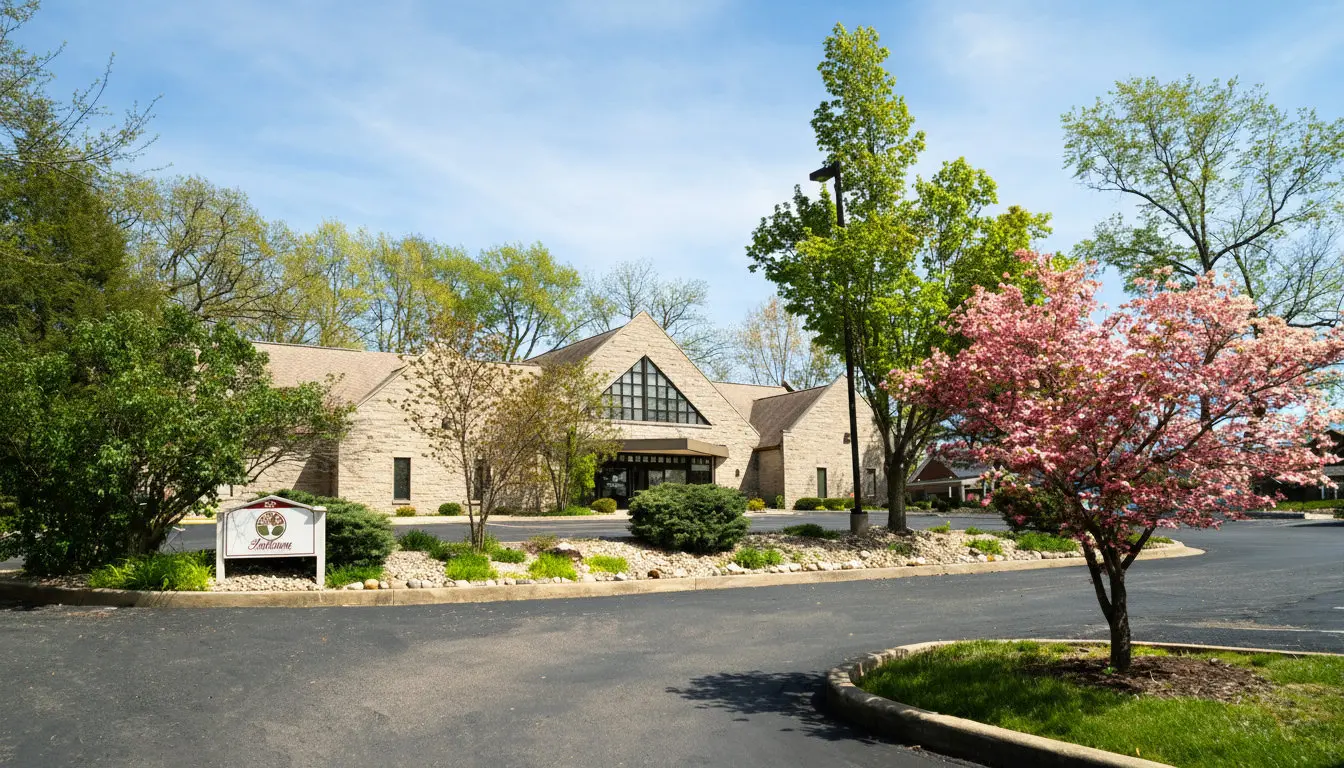
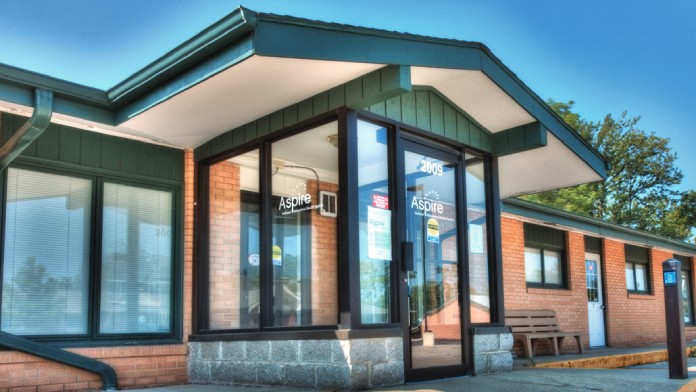
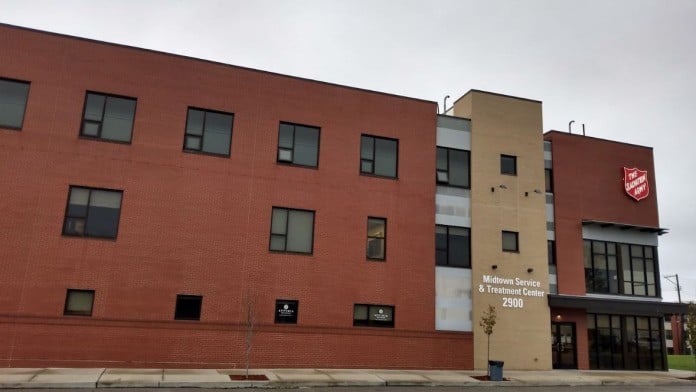
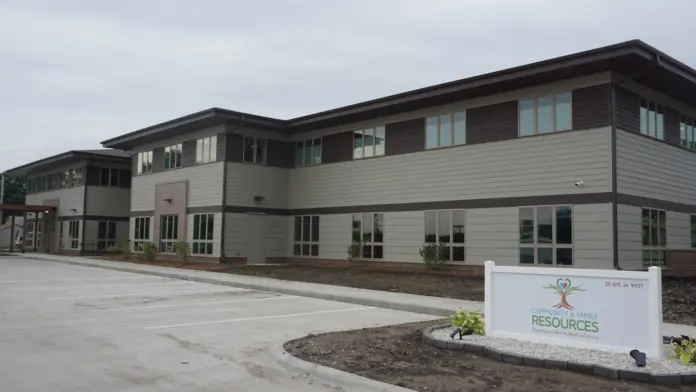
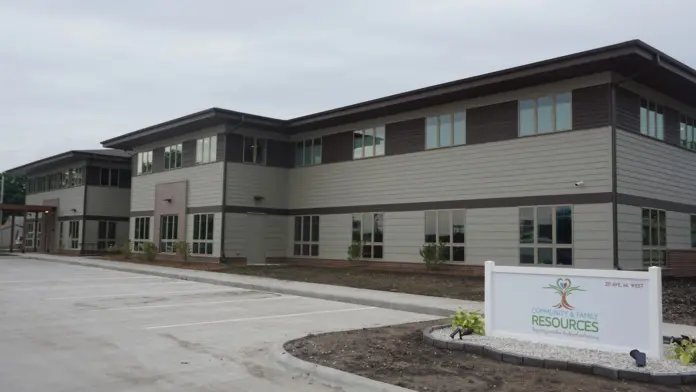
Community and Family Resources Substance Abuse Treatment for Adolescent Recovery and Success (STARS) program is an alcohol and drug rehab in the outskirts of Fort Dodge, Iowa, so you’ll have plenty of privacy. This CARF accredited provider offers residential and intensive outpatient (IOP) programs. They accept Medicaid and most private insurance but also offer a sliding fee scale for those who qualify.
Individualized, Person Centered Care among the STARS
The STARS program team recognizes that every client is different, and their treatment needs may be, too. When you’re first admitted, a counselor talks with you to better understand your situation and goals, then designs a personalized plan. Whether you’re in the residential or IOP program, they’ll consistently check in and evaluate your progress to ensure you’re having a positive experience. If something isn’t working, they’ll work with you to change that. That’s something I really appreciate about this provider.
Setting the Stage for Sustainable Recovery in Fort Dodge
This facility has provided substance abuse treatment since 1978 and has a deep understanding of addiction and knows recovery doesn’t stop upon discharge. They aim to give people the tools they need to continue overcoming challenges and making healthy choices for life.
To do so, they educate people about substance use disorder and help them understand its contributors and triggers. They also help clients develop emotional health and resilience so they can manage difficult situations in the future without compromising their sobriety and wellbeing.
Another thing I like about the STARS program is they’ve tutors and teachers who help clients complete schooling while in treatment. That’s super important since many adolescents in treatment may have gotten behind in school due to their disorder. Having a supportive hand to guide them may help them get back on track so they can realize their potential and fulfill their dreams.
So grateful for the amazing opportunity too be a part of such a wonderful program. When I arrived at C. F. R I was broken in every way possible. The staff were amazing. From the terrific skilled techs. Carly, Lourin, Kayla, Belinda too my amazing counselors. Danielle, Megan, Rannette. The whole nursing dept. The very funny work out coach "Q" too my amazing therapist I plan on holding on forever Rhiannon and Rose my Psych. The food was so much better then jail. Everyone who worked with me were funny and kind a very compassionate right down too Omaha.
Thank you all and God bless
Nicky
CRF has been a wonderful experience. No ones experience is going to be the same. Join CFR in the journey of working together to make a difference and change in peoples lives.
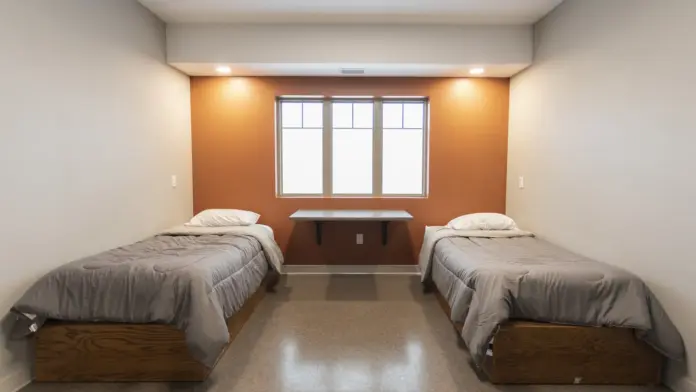
CFR Has the most amazing staff members. These people truly care about the people that enter their doors. The understanding and compassion and care from the staff is unremarkable. I left early but I wish I wouldn't have, although I'm still clean I have considered going back for more treatment. The facility is nice and clean and they have everything you need to make you comfortable. They have rules but they're put in place for reasons. You get out of treatment what you put into it! I appreciate all of them.
Scoring is assigned by a proprietary system which helps surface key metrics that determine quality. The 10-point scale factors in categories such as operations, customer satisfaction, and trust metrics. Read Full Methodology
6.4 / 10
Gallery
Other Forms of Payment
Medicaid is a state based program that helps lower-income individuals and families pay for healthcare. Medicaid covers addiction treatment so those enrolled can use their coverage to pay for rehab. When a program accepts Medicaid the client often pays very little or nothing out of their own pocket.
Private insurance refers to any kind of healthcare coverage that isn't from the state or federal government. This includes individual and family plans offered by an employer or purchased from the Insurance Marketplace. Every plan will have different requirements and out of pocket costs so be sure to get the full details before you start treatment.
Self-pay involves paying for treatment out of your own pocket. You can use savings or credit, get a personal loan, or receive help from family and friends to fund your treatment. If you don't have insurance or your insurance plan doesn't cover a specific program, self-pay can help ensure you still get the care you need.
Financial aid can take many forms. Centers may have grants or scholarships available to clients who meet eligibility requirements. Programs that receive SAMHSA grants may have financial aid available for those who need treatment as well. Grants and scholarships can help you pai for treatment without having to repay.
Sliding scale payments are based on a client's income and family size. The goal is to make treatment affordable to everyone. By taking these factors into account, addiction recovery care providers help ensure that your treatment does not become a financial burden to you or your family, eliminating one barrier to care.
Military members, veterans, and eligible dependents have access to specific insurance programs that help them get the care they need. TRICARE and VA insurance can help you access low cost or no cost addiction and mental health treatment. Programs that accept military insurance often have targeted treatment focused on the unique challenges military members, veterans, and their families face.
Medicare is a federal program that provides health insurance for those 65 and older. It also serves people under 65 with chronic and disabling health challenges. To use Medicare for addiction treatment you need to find a program that accepts Medicare and is in network with your plan. Out of pocket costs and preauthorization requirements vary, so always check with your provider.
Addiction Treatments
Levels of Care
Residential treatment programs are those that offer housing and meals in addition to substance abuse treatment. Rehab facilities that offer residential treatment allow patients to focus solely on recovery, in an environment totally separate from their lives. Some rehab centers specialize in short-term residential treatment (a few days to a week or two), while others solely provide treatment on a long-term basis (several weeks to months). Some offer both, and tailor treatment to the patient's individual requirements.
12-step programs are addiction recovery models based on Alcoholics Anonymous (AA). A number of substance abuse programs (including some drug and alcohol rehab centers) use the 12 steps as a basis for treatment. Beginning steps involve admitting powerlessness over the addiction and creating a spiritual basis for recovery. Middle steps including making direct amends to those who've been hurt by the addiction, and the final step is to assist others in addiction recovery in the same way. 12-Step offshoots including Narcotics Anonymous (NA), Cocaine Anonymous (CA), Dual Recovery Anonymous (DRA), Sex and Love Addicts Anonymous (SLAA) and Gamblers Anonymous (GA).
Completing a drug or alcohol rehab program shouldn't spell the end of substance abuse treatment. Aftercare involves making a sustainable plan for recovery, including ongoing support. This can include sober living arrangements like halfway houses, career counseling, and setting a patient up with community programs like Alcoholics Anonymous (AA) or Narcotics Anonymous (NA).
Community & Family Resources offers outpatient treatment services allowing clients to receive counseling and support while maintaining home, work, and family responsibilities.
CFR's Intensive Outpatient Program provides structured treatment services with more frequent sessions while allowing clients to live at home and maintain daily responsibilities.
STARS provides medically monitored withdrawal management (detox) services when clinically appropriate and coordinates ongoing treatment planning for adolescent residents.
Treatments
The goal of treatment for alcoholism is abstinence. Those with poor social support, poor motivation, or psychiatric disorders tend to relapse within a few years of treatment. For these people, success is measured by longer periods of abstinence, reduced use of alcohol, better health, and improved social functioning. Recovery and Maintenance are usually based on 12 step programs and AA meetings.
Drug rehab in Iowa is available in many formats. A variety of inpatient and outpatient options provide programs that are tailored to individual needs, making recovery possible for everyone.
Many of those suffering from addiction also suffer from mental or emotional illnesses like schizophrenia, bipolar disorder, depression, or anxiety disorders. Rehab and other substance abuse facilities treating those with a dual diagnosis or co-occurring disorder administer psychiatric treatment to address the person's mental health issue in addition to drug and alcohol rehabilitation.
A combined mental health and substance abuse rehab has the staff and resources available to handle individuals with both mental health and substance abuse issues. It can be challenging to determine where a specific symptom stems from (a mental health issue or an issue related to substance abuse), so mental health and substance abuse professionals are helpful in detangling symptoms and keeping treatment on track.
Opioid rehabs specialize in supporting those recovering from opioid addiction. They treat those suffering from addiction to illegal opioids like heroin, as well as prescription drugs like oxycodone. These centers typically combine both physical as well as mental and emotional support to help stop addiction. Physical support often includes medical detox and subsequent medical support (including medication), and mental support includes in-depth therapy to address the underlying causes of addiction.
Community & Family Resources provides a full continuum of substance use disorder treatment including assessment, outpatient counseling, intensive outpatient programming, residential treatment, and recovery support services.
Programs
Community & Family Resources provides a continuum of substance use treatment services designed to support individuals and families affected by addiction.
CFR offers specialized programming for individuals experiencing problems related to substance use in the context of chronic pain management needs.
STARS Adolescent Program is a specialized residential substance use treatment program designed specifically for adolescents with structured daily living expectations and family involvement.
Clinical Services
Cognitive Behavioral Therapy (CBT) is a therapy modality that focuses on the relationship between one's thoughts, feelings, and behaviors. It is used to establish and allow for healthy responses to thoughts and feelings (instead of unhealthy responses, like using drugs or alcohol). CBT has been proven effective for recovering addicts of all kinds, and is used to strengthen a patient's own self-awareness and ability to self-regulate. CBT allows individuals to monitor their own emotional state, become more adept at communicating with others, and manage stress without needing to engage in substance abuse.
Research clearly demonstrates that recovery is far more successful and sustainable when loved ones like family members participate in rehab and substance abuse treatment. Genetic factors may be at play when it comes to drug and alcohol addiction, as well as mental health issues. Family dynamics often play a critical role in addiction triggers, and if properly educated, family members can be a strong source of support when it comes to rehabilitation.
Group therapy is any therapeutic work that happens in a group (not one-on-one). There are a number of different group therapy modalities, including support groups, experiential therapy, psycho-education, and more. Group therapy involves treatment as well as processing interaction between group members.
In individual therapy, a patient meets one-on-one with a trained psychologist or counselor. Therapy is a pivotal part of effective substance abuse treatment, as it often covers root causes of addiction, including challenges faced by the patient in their social, family, and work/school life.
Motivational Interviewing (MI) is a clinical approach to helping people with substance abuse issues and other conditions shift behavior in positive ways. It is more goal-oriented than traditional psychotherapy, as MI counselors directly attempt to get clients to consider making behavioral change (rather than wait for them to come to conclusions themselves). Its primary purpose is to resolve ambivalence and help clients become able to make healthy choices freely.
Nicotine Replacement Therapy (NRT) is a way of getting nicotine into the bloodstream without smoking. It uses products that supply low doses of nicotine to help people stop smoking. The goal of therapy is to cut down on cravings for nicotine and ease the symptoms of nicotine withdrawal.
Trauma therapy addresses traumatic incidents from a client's past that are likely affecting their present-day experience. Trauma is often one of the primary triggers and potential causes of addiction, and can stem from child sexual abuse, domestic violence, having a parent with a mental illness, losing one or both parents at a young age, teenage or adult sexual assault, or any number of other factors. The purpose of trauma therapy is to allow a patient to process trauma and move through and past it, with the help of trained and compassionate mental health professionals.
Evidence-based approach used by Community & Family Resources to help clients identify and modify unhelpful thought patterns and behaviors related to substance use and recovery.
Skills-focused therapy provided by CFR to help clients manage emotions, improve relationships, and build distress tolerance during substance use treatment.
One-on-one counseling sessions offered at Community & Family Resources to address individual substance use disorder and mental health needs.
Group-based counseling provided by CFR where clients share experiences, build peer support, and learn recovery skills in a structured setting.
Community & Family Resources utilizes relapse prevention strategies to help clients identify triggers, develop coping skills, and maintain long-term recovery goals.
Family-focused services at CFR that engage loved ones in the treatment process to strengthen support systems and improve family functioning during recovery.
Peer support and recovery coaching services available through Community & Family Resources to provide ongoing encouragement and lived-experience guidance.
STARS incorporates family-focused counseling and mandatory weekly family education for parents and guardians of adolescent residents.
STARS provides educational groups and structured programming as part of the residential treatment curriculum to support adolescent recovery.
Amenities
Residential Setting
Staff & Accreditations
Staff
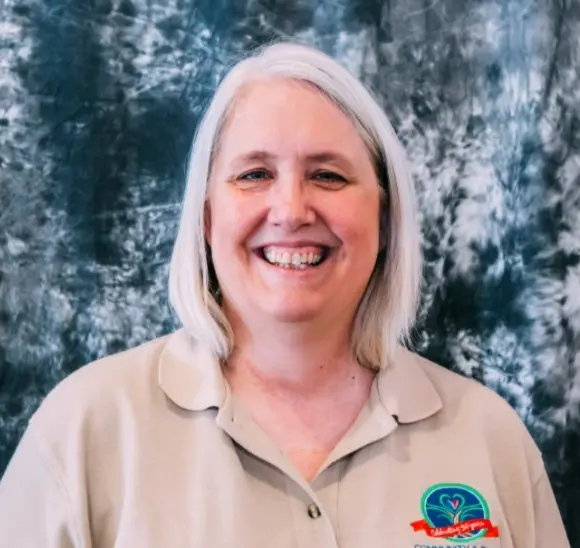
Pam Barkley
FD
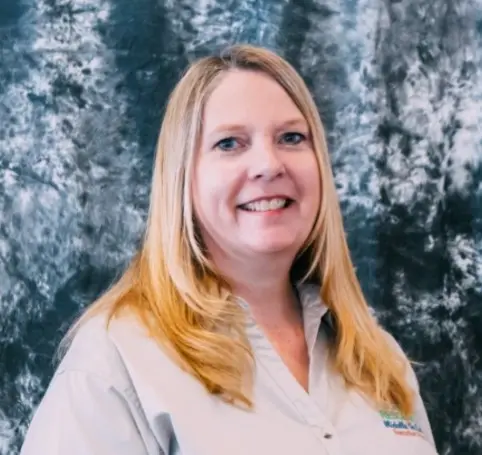
Michelle De La Riva
ED
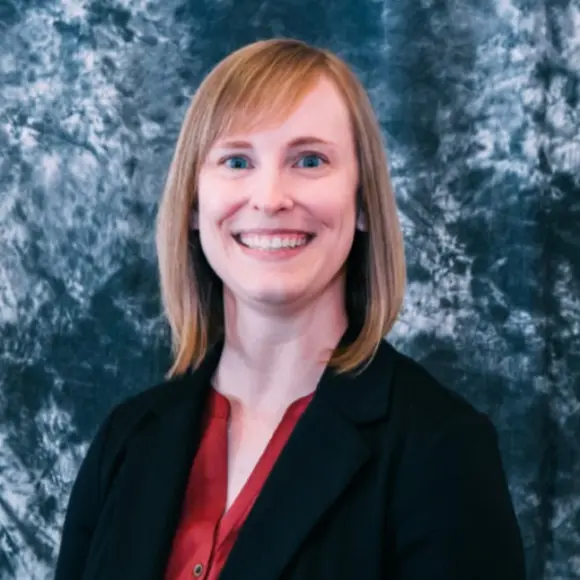
Sally Carnes
OD
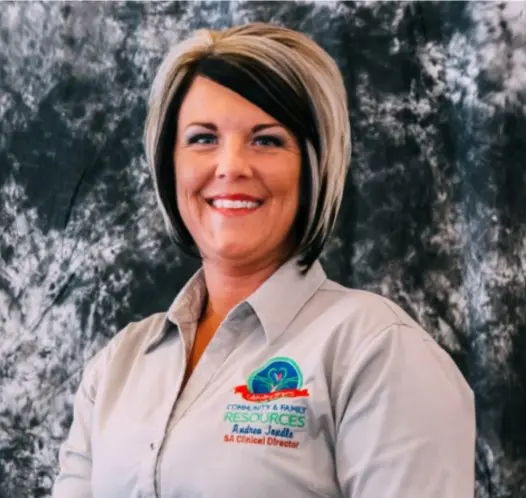
Andrea Jondle
Addiction Program Clinical Director
Cary Williams
Mental Health Clinical Director
Kayla Borja Frost
Regional Director
Mandy Oetken
Des Moines Regional Director
Megan Schooler
Human Resources Director
Accreditations
The Commission on Accreditation of Rehabilitation Facilities (CARF) is a non-profit organization that specifically accredits rehab organizations. Founded in 1966, CARF's, mission is to help service providers like rehab facilities maintain high standards of care.
The Substance Abuse and Mental Health Services Administration (SAMHSA) is a branch of the U.S. Department of Health and Human Services. Established in 1992 by congress, SAMHSA's mission is to reduce the impact of substance abuse and mental illness on American's communities.
SAMHSA Listed: Yes
State Licenses are permits issued by government agencies that allow rehab organizations to conduct business legally within a certain geographical area. Typically, the kind of program a rehab facility offers, along with its physical location, determines which licenses are required to operate legally.
State License: Iowa
Rehab.com regularly reviews this listing for accuracy but changes may occur between updates. For the most up-to-date information, please contact STARS Adolescent Program Residential.
Very poorly ran.. lazy staff. Huge staff turnover.. poor communication with families. Can’t handle kids when things are rough. Do not send your teen here!!!
Reviewed on 9/25/2019
5
If you don't die before coming here, then you will save your life. Their in-depth peeling back of your troubled layers leads to dropping the masks and street mentality. Their AA and NA meetings introduce you to the 12 step way of life. Recovery is a gradual process of identi ...
Read More
everyone that put negative review is just a hater. all you have to do is act right and follow rules and be willing to be sober and everything would go smooth.
David Ferrand
2 months ago
1
I'm not a resident/client of CFR, but as a long time member of the community, I believe that the staff/counselors that take the residents out for thier daily "walk around the block " might want to walk 'em down the street by Wakohsa Village or some place else rather than through a residential neighborhood being as how some of thier residents have been seen throwing various drinks and items at vehicles parked on the street on Avenue N & Avenue O. This does constitute vandalism.
Response from the owner
Hi David, thank you for your feedback and for bringing your concerns to our attention. We value our relationship with the community and take these matters seriously. We have shared your comments with our team and will continue working to ensure that both our residents and neighbors have positive experiences. Thank you for reaching out, and please feel welcome to contact us directly at 515-576-7261 or information@cfrhelps.org.
Emma
4 months ago
1
All we did is watch movies that had absolutely nothing to do with drugs or alcohol. Don't come here. They won't Help you.
Response from the owner
Hi Emma, while we cannot comment publicly about any specific situation due to confidentiality standards, we are sincerely sorry to hear of any negative experiences and we appreciate feedback. Our Clinical Director is available at 515-576-7261 or via information@cfrhelps.org to directly discuss specific concerns or areas of improvement.
Write a review for STARS Adolescent Program Residential
Sharing your insights and experiences can help others learn more about this rehab center.
STARS Adolescent Program Residential FAQs
What substance use disorder treatment options does Community & Family Resources offer in Fort Dodge?
Community & Family Resources offers a continuum of care including residential treatment, intensive outpatient programming, standard outpatient counseling, and recovery support services. The facility treats alcohol and other drug use disorders with evidence-based therapies like cognitive behavioral therapy and dialectical behavior therapy, along with relapse prevention and family programming.
Does Community & Family Resources treat co-occurring mental health and substance use disorders together?
Yes, the facility provides co-occurring capable services designed to address both substance use disorders and mental health conditions at the same time. Mental health services include evaluation, therapy, and counseling supports delivered alongside substance use treatment to help individuals manage both conditions during recovery.
What is the intake and assessment process at Community & Family Resources?
The facility offers comprehensive assessments to evaluate individuals experiencing problems related to alcohol or other drugs. After assessment, the treatment team develops a personalized plan that may include residential treatment, intensive outpatient care, standard outpatient services, or recovery support, depending on the individual’s specific needs and circumstances.
Does Community & Family Resources offer residential treatment for substance use disorders?
Yes, the facility provides residential treatment with 24-hour care in a structured environment for individuals with substance use disorders. Extended residential treatment options are also available. The residential program is designed to help clients stabilize and build recovery skills while receiving comprehensive support.
Can someone maintain work and family responsibilities while in treatment at Community & Family Resources?
The facility’s Intensive Outpatient Program allows clients to receive structured treatment services while living at home and maintaining work and family responsibilities. This level of care provides flexibility for individuals who need structured programming but must continue daily obligations outside treatment.
How can someone contact Community & Family Resources in Fort Dodge for substance use treatment?
The facility can be reached at 211 Ave M West in Fort Dodge, Iowa 50501. Individuals can call (515) 576-7261 for direct contact or 1-866-CFR-HELPS (1-866-237-4357) for general information. Email inquiries can be sent to info@cfrhelps.org.
Kate Daniel is a freelance writer and award-winning journalist from the Pacific Northwest specializing in health and wellness, with a particular emphasis on mental health and nutrition. She’s written for a broad array of publications, including HealthDay, Everyday Health, Lose It, Nice News, Get Me Giddy, and The Whidbey News-Times. You can find more of her work here.
By calling the helpline you agree to the terms of use. We do not receive any commission or fee that is dependent upon which treatment provider a caller chooses. There is no obligation to enter treatment.
Calls to numbers on a specific treatment center listing will be routed to that treatment center. Calls to any general helpline could be forwarded to SAMHSA or a verified treatment provider.
If you wish to connect with non-sponsor centers, you can browse top-rated listings, visit our homepage and browse by state, or visit SAMHSA.

 Sponsored Helpline





























































































 31 - 60





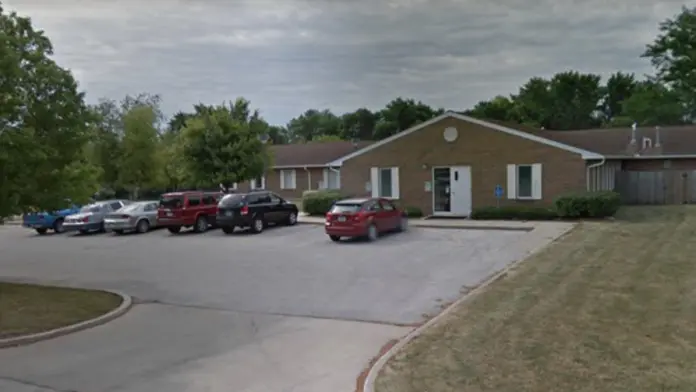
 Residential Setting