





























































































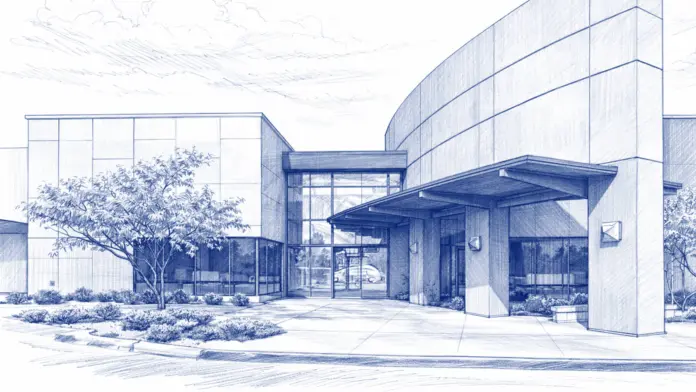
About Discovery Mood & Anxiety Program – Southport
Latest Reviews



Rehab Score
 Our Methodology


Location
Accepted Insurance
Other Forms of Payment
Private insurance refers to any kind of healthcare coverage that isn't from the state or federal government. This includes individual and family plans offered by an employer or purchased from the Insurance Marketplace. Every plan will have different requirements and out of pocket costs so be sure to get the full details before you start treatment.
Self-pay involves paying for treatment out of your own pocket. You can use savings or credit, get a personal loan, or receive help from family and friends to fund your treatment. If you don't have insurance or your insurance plan doesn't cover a specific program, self-pay can help ensure you still get the care you need.
Military members, veterans, and eligible dependents have access to specific insurance programs that help them get the care they need. TRICARE and VA insurance can help you access low cost or no cost addiction and mental health treatment. Programs that accept military insurance often have targeted treatment focused on the unique challenges military members, veterans, and their families face.
Addiction Treatments
Levels of Care
Outpatient rehabs offer a wide variety of therapeutic programs to address clients' unique and evolving needs. They are generally most effective for clients who have completed inpatient treatment and are medically stable. Most outpatient treatment centers prioritize addiction counseling and recovery-focused life skills training. Many also provide medication assisted treatment (MAT) for clients in alcohol and opioid recovery. Evening, night, and weekend sessions are commonly offered to accommodate clients' schedules.
Intensive Outpatient Programs (IOP) are for those who want or need a very structured treatment program but who also wish to live at home and continue with certain responsibilities (such as work or school). IOP substance abuse treatment programs vary in duration and intensity, and certain outpatient rehab centers will offer individualized treatment programs.
Rehab aftercare programs promote clients' long-term sobriety through a suite of services designed to provide a complete continuum of care. Drug rehab aftercare typically begins as soon as patients exit inpatient care and often includes formal outpatient treatment. Clients who no longer require outpatient counseling, education, or other treatment generally continue to receive rehab aftercare services, such as peer coaching, career counseling, or 12 step program induction. Clients typically develop their program in collaboration with their case manager.
A partial hospitalization program (PHP) is a short-term form of intensive rehab, usually for those with acute symptoms that are hard to manage but don’t require 24-hour care. PHPs have structured programming (i.e. individual and/or group therapy), and usually meet 3-5 days a week for around 6 hours (i.e. 9am-3m). Some PHPs are residential (patients sleep on site) and some are not, so patients sleep at home. PHPs can last from 1-6 months, and some offer transportation and meals.
Treatments
Mental health rehabs focus on helping individuals recover from mental illnesses like bipolar disorder, clinical depression, anxiety disorders, schizophrenia, and more. Mental health professionals at these facilities are trained to understand and treat mental health issues, both in individual and group settings.
Programs
Adult rehab programs include therapies tailored to each client's specific needs, goals, and recovery progress. They are tailored to the specific challenges adult clients may face, including family and work pressures and commitments. From inpatient and residential treatment to various levels of outpatient services, there are many options available. Some facilities also help adults work through co-occurring conditions, like anxiety, that can accompany addiction.
Clinical Services
Cognitive Behavioral Therapy (CBT) is a therapy modality that focuses on the relationship between one's thoughts, feelings, and behaviors. It is used to establish and allow for healthy responses to thoughts and feelings (instead of unhealthy responses, like using drugs or alcohol). CBT has been proven effective for recovering addicts of all kinds, and is used to strengthen a patient's own self-awareness and ability to self-regulate. CBT allows individuals to monitor their own emotional state, become more adept at communicating with others, and manage stress without needing to engage in substance abuse.
Dialectical Behavior Therapy (DBT) is a modified form of Cognitive Behavioral Therapy (CBT), a treatment designed to help people understand and ultimately affect the relationship between their thoughts, feelings, and behaviors. DBT is often used for individuals who struggle with self-harm behaviors, such as self-mutilation (cutting) and suicidal thoughts, urges, or attempts. It has been proven clinically effective for those who struggle with out-of-control emotions and mental health illnesses like Borderline Personality Disorder.
Group therapy offers insight into behavioral patterns and triggers. This can lead to a better understanding of your addictive behaviors, which in turn promotes sobriety and sustainable recovery. You can share your experiences and strategies you use to overcome triggers and learn new strategies from your peers.
Individual therapy uses evidence based treatment modalities to focus on building a strong therapeutic alliance between yourself and your therapist. This crucial relationship fosters trust that enables you to discuss your struggles and work together to develop effective strategies to overcome addiction.
Trauma therapy offers you a safe space to process a traumatic experience as therapists use trauma informed care. Your therapist works to support your understanding of your emotional and physical responses to the trauma while developing healthier coping skills. This helps to foster a sense of empowerment that leads to recovery.
Staff & Accreditations
Staff
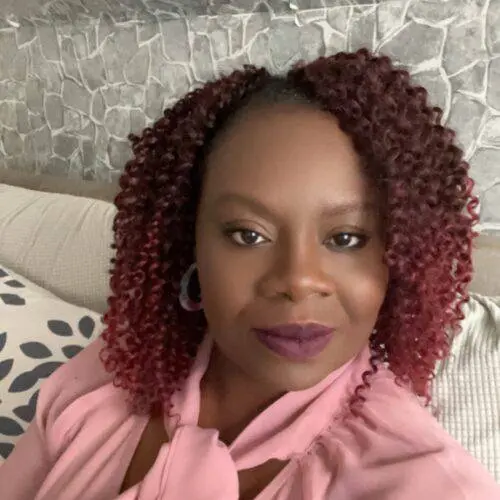
Yanique Whynes, LMFTA, MA Psy
Program Director
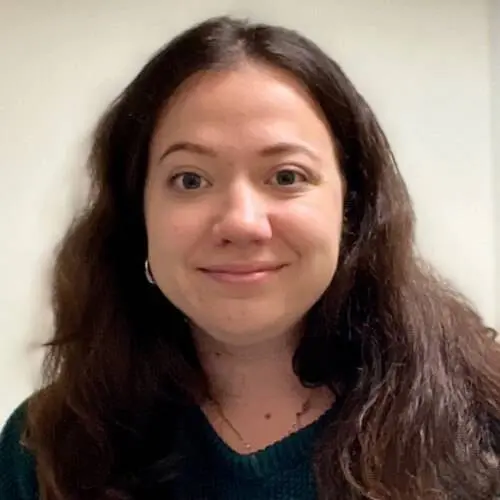
Hannah Bucciferro, LPCA
Associate Therapist

Emily Marshall, LMSW
Associate Therapist
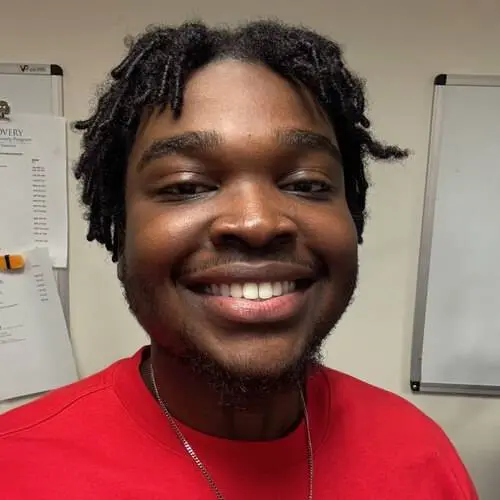
Donahugh Doyle
Mental Health Technician III
Accreditations

The Joint Commission, formerly known as JCAHO, is a nonprofit organization that accredits rehab organizations and programs. Founded in 1951, the Joint Commision's mission is to improve the quality of patient care and demonstrating the quality of patient care.
Joint Commission Accreditation: Yes
Rehab.com regularly reviews this listing for accuracy but changes may occur between updates. For the most up-to-date information, please contact Discovery Mood & Anxiety Program – Southport.
Contact Information


3530 Post Rd
Suite 306
Southport, CT 06890
Sponsored Helpline


