






























































































This place is a joke. My daughter was attacked in their facility and they did NOTHING about it and laughed at me when I called. This place needs to be closed down. My daughter was talked to by a doctor online for 5 minutes and then thrown to the wolves.
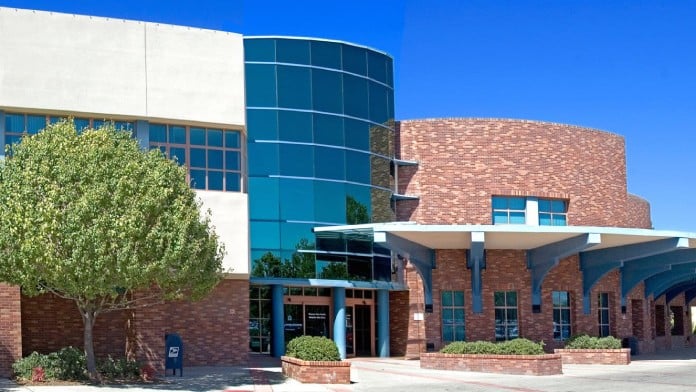
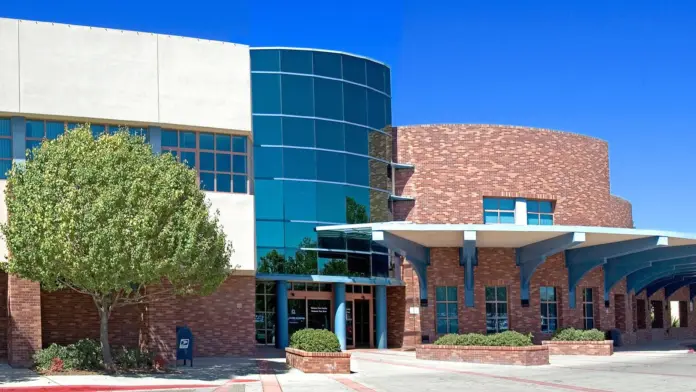
About Eastern New Mexico Medical Center – Sunrise Mental Health Center
At this facility, they’re equipped to handle a full spectrum of issues, including severe mood swings and cognitive conditions, such as dementia. They’ll provide detailed consultations to get to the root of each crisis and recommend the appropriate level of care. Most clients go through some form of counseling, either by themselves or with their family members. Their treatment plan can also include medication management, addiction education, and occupational therapy. All of these services help clients work through their condition, better understand their behavior, and lay the groundwork for recovery.
While some clients say that their time here was good and the nurses were kind, several have shared that staff member communication needs improvement at this facility.
Latest Reviews
so many great staff members here! ray, summer, silvia, jacqui, and cody are all great nurses! chris is a great group leader and has such great group material. she interacts with all of the patients in a very friendly manner and ensures everyone's voice is heard and validated. other honorable mentions for techs are brandon, cita, theo, and ashley! i had a great time here, and there are definitely people who work here who care and want the best for everyone who comes in
Response from the owner3 weeks ago
Thank you for your kind review; we are happy to pass along your comments to the team here!
I waa very skeptical when my sister was sent here. She has been hospitalized in four different places over three years but the doc and staff here were awesome. The doctor was the smartest our family has met in ten years in three different states. He took his time and found out what was really going on. She has been stable for the first time in her life. She was here more than two months ago but I felt I should leave a review to let people know they have really good docs and staff now. It's not a physically great place but frankly it doesn't matter if the providers are this good. I dont know how they got such good people to come way out here, but Southern NM is very very fortunate. We live in a city and havent seen this kind of quality. Thank you for all you did for my sister.
Response from the owner3 weeks ago
We love hearing about these experiences! If there's anything we can do for you in the future, we are happy to help!
They staff and doc here did more for my brother than any other doctoral in 20 years of suffering. The doctor has called us twice to check on him since he was discharged last month. He is on the rights meds and doing better than he ever has. Really grateful.

Rehab Score
 Our Methodology
Scoring is assigned by a proprietary system which helps surface key metrics that determine quality. The 10-point scale factors in categories such as operations, customer satisfaction, and trust metrics. Read Full Methodology

6 / 10
Gallery
Other Forms of Payment
Private insurance refers to any kind of healthcare coverage that isn't from the state or federal government. This includes individual and family plans offered by an employer or purchased from the Insurance Marketplace. Every plan will have different requirements and out of pocket costs so be sure to get the full details before you start treatment.
Self-pay involves paying for treatment out of your own pocket. You can use savings or credit, get a personal loan, or receive help from family and friends to fund your treatment. If you don't have insurance or your insurance plan doesn't cover a specific program, self-pay can help ensure you still get the care you need.
Medicaid is a state based program that helps lower-income individuals and families pay for healthcare. Medicaid covers addiction treatment so those enrolled can use their coverage to pay for rehab. When a program accepts Medicaid the client often pays very little or nothing out of their own pocket.
Medicare is a federal program that provides health insurance for those 65 and older. It also serves people under 65 with chronic and disabling health challenges. To use Medicare for addiction treatment you need to find a program that accepts Medicare and is in network with your plan. Out of pocket costs and preauthorization requirements vary, so always check with your provider.
Addiction Treatments
Levels of Care
Clients enrolled in outpatient rehab programs may receive daily, biweekly, or weekly treatment while continuing to live at home. This enables clients to integrate their recovery care plan into their routine work and family schedule. Addiction counseling, recovery-focused life skills training, and medication assisted treatment (MAT) are the most common services offered at outpatient centers, but many also provide holistic therapies, such as meditation and massage, and ancillary services, such as career coaching.
Intensive outpatient programs (IOP) provide robust support for clients who choose to remain in their own homes or who are reintegrating into their community following inpatient care. IOP treatment generally consists of a combination of individual, group, and family counseling, recovery-focused life skills training, and evidence-based holistic therapies. Many intensive outpatient rehabs also offer medication assisted treatment (MAT) for clients in alcohol and/or opioid recovery. Clients in IOP typically receive nine to 20 hours of treatment weekly.
Rehab aftercare programs promote clients' long-term recovery by providing a robust continuum of care aligned with clients' evolving needs. Because addiction is a chronic disease prone to relapse, rehab aftercare services are highly client-focused and uniquely responsive to clients' changing medical, mental health, and social circumstances. Case managers and care teams collaborate with clients, assess their goals and needs, and provide access to recovery-focused resources, such as peer coaching, employment assistance, and relapse prevention services.
Treatments
Mental health rehabs focus on helping individuals recover from mental illnesses like bipolar disorder, clinical depression, anxiety disorders, schizophrenia, and more. Mental health professionals at these facilities are trained to understand and treat mental health issues, both in individual and group settings.
Programs
Adult rehab programs include therapies tailored to each client's specific needs, goals, and recovery progress. They are tailored to the specific challenges adult clients may face, including family and work pressures and commitments. From inpatient and residential treatment to various levels of outpatient services, there are many options available. Some facilities also help adults work through co-occurring conditions, like anxiety, that can accompany addiction.
Young adulthood can be an exciting, yet difficult, time of transition. Individuals in their late teens to mid-20s face unique stressors related to school, jobs, families, and social circles, which can lead to a rise in substance use. Rehab centers with dedicated young adult programs will include activities and amenities that cater to this age group, with an emphasis on specialized counseling, peer socialization, and ongoing aftercare.
Clinical Services
Cognitive Behavioral Therapy (CBT) is a therapy modality that focuses on the relationship between one's thoughts, feelings, and behaviors. It is used to establish and allow for healthy responses to thoughts and feelings (instead of unhealthy responses, like using drugs or alcohol). CBT has been proven effective for recovering addicts of all kinds, and is used to strengthen a patient's own self-awareness and ability to self-regulate. CBT allows individuals to monitor their own emotional state, become more adept at communicating with others, and manage stress without needing to engage in substance abuse.
Dialectical Behavior Therapy (DBT) is a modified form of Cognitive Behavioral Therapy (CBT), a treatment designed to help people understand and ultimately affect the relationship between their thoughts, feelings, and behaviors. DBT is often used for individuals who struggle with self-harm behaviors, such as self-mutilation (cutting) and suicidal thoughts, urges, or attempts. It has been proven clinically effective for those who struggle with out-of-control emotions and mental health illnesses like Borderline Personality Disorder.
Group therapy is any therapeutic work that happens in a group (not one-on-one). There are a number of different group therapy modalities, including support groups, experiential therapy, psycho-education, and more. Group therapy involves treatment as well as processing interaction between group members.
In individual therapy, a patient meets one-on-one with a trained psychologist or counselor. Therapy is a pivotal part of effective substance abuse treatment, as it often covers root causes of addiction, including challenges faced by the patient in their social, family, and work/school life.
Trauma therapy addresses traumatic incidents from a client's past that are likely affecting their present-day experience. Trauma is often one of the primary triggers and potential causes of addiction, and can stem from child sexual abuse, domestic violence, having a parent with a mental illness, losing one or both parents at a young age, teenage or adult sexual assault, or any number of other factors. The purpose of trauma therapy is to allow a patient to process trauma and move through and past it, with the help of trained and compassionate mental health professionals.
Amenities
-
 Private Setting
Rehab.com regularly reviews this listing for accuracy but changes may occur between updates. For the most up-to-date information, please contact Eastern New Mexico Medical Center – Sunrise Mental Health Center.
Contact Information

405 Country Club Rd
Roswell, NM 88201
Get Help Now - 575-266-4671
Sponsored Helpline
Sponsored Helpline



