




























































































About Foundation Medical Group
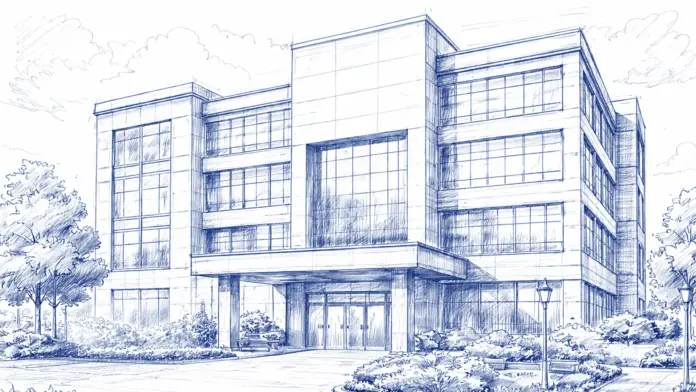
Foundation Medical Group is a North Chesterfield outpatient treatment center specializing in substance use disorder treatment and psychiatric services for adolescents, adults and seniors in the Richmond, VA area.
The practice focuses on opioid addiction treatment through medication assisted treatment, personalized counseling and comprehensive psychiatric evaluation and medication management. Foundation Medical Group provides individualized, evidence based care designed to address both addiction and co-occurring mental health conditions with compassion and clinical expertise.
Medication Assisted Treatment
Foundation Medical Group’s core specialty is opioid addiction treatment using buprenorphine based MAT including Suboxone and Subutex along with Vivitrol injections and naltrexone options. Their expert team creates individualized treatment plans that combine medication with personalized counseling to support long term recovery.
Treatment incorporates evidence based therapies such as cognitive behavioral therapy and motivational interviewing to help patients address underlying issues and build practical coping skills. Sessions are tailored to each patient’s needs, with same day or next day appointments available for new patients seeking urgent support.
Psychiatric and Mental Health Services
Beyond addiction treatment, Foundation Medical Group offers behavioral health services for anxiety and depression, ADHD and schizoaffective disorder. The practice utilizes Quantitative EEG Brain Mapping, a state of the art tool that analyzes brain activity to provide accurate diagnoses and customized treatment plans for patients across all age groups.
Accessible Care in Richmond
Foundation Medical Group serves patients in person at their North Chesterfield office and via secure telemedicine throughout Virginia, with flexible hours Monday through Friday from 8am to 5pm. The practice specializes in outpatient substance use disorder and psychiatric treatment for adolescents, adults and seniors.
They accept most major insurance plans, offer self pay options and provide payment plans and financing for those who qualify.

Rehab Score
 Our Methodology


Location
Other Forms of Payment
Self-pay involves paying for treatment out of your own pocket. You can use savings or credit, get a personal loan, or receive help from family and friends to fund your treatment. If you don't have insurance or your insurance plan doesn't cover a specific program, self-pay can help ensure you still get the care you need.
Financing your treatment can make treatment more accessible. You'll work with your care provider to set up payment plans, including interest rates and repayment timelines. Financing options vary widely and not all programs offer them, so be sure to get the full details before enrolling in treatment. If you have insurance or other benefits, financing may help you cover your remaining out of pocket expenses.
Addiction Treatments
Levels of Care
Outpatient rehabs offer community-based addiction treatment, enabling clients to remain in their homes while in recovery. Their levels of care typically include partial hospitalization (PHP), intensive outpatient (IOP), standard outpatient, and sober living programming. Most outpatient facilities offer addiction counseling and recovery-focused life skills training. Integrative programs include evidence-based holistic therapies, such as meditation, music therapy, and massage. Facilities specializing in alcohol and/or opioid addiction may also provide medication assisted treatment (MAT).
Thanks to telehealth, you can now receive treatment from the comfort of your own home. Using your mobile device, you can consult with a physician, psychiatrist, or other healthcare provider, get a prescription, or receive other forms of treatment.
Treatments
Alcohol use disorder, which is often used interchangeably with the term alcoholism, is a chronic, relapsing condition. While it is characterized by harmful patterns of alcohol use and physical dependence on the substance, the condition can be managed and treated. Effective alcohol rehab in Virginia is available in a variety of formats, including inpatient, outpatient, medication-assisted therapy, and mutual-support groups.
 Opioid Addiction
When you enroll in drug rehab in Virginia, a treatment plan is designed by professional staff in order to help you overcome drug addiction and modify addictive behaviors. This may include evidence-based treatments, group and individual therapy, and relapse prevention.
Virginia provides substance abuse treatment for individuals struggling with addiction and co-occurring mental health disorders. These programs incorporate evidence-based therapies such as cognitive-behavioral therapy (CBT), dialectical behavior therapy (DBT), and trauma-informed care. With a variety of treatment options available, including outpatient, inpatient, and residential programs, you can find personalized care to support you in achieving sobriety and learning the skills to maintain long-term recovery.
Dual diagnosis treatment is a specialized form of rehab where you receive care for both a substance use disorder and a mental health disorder at the same time. You're provided access to medical staff and mental health experts throughout the program. Additionally, mental health services tend to include multiple forms of therapy, including individual therapy, group counseling, relapse prevention education, and cognitive behavioral therapy (CBT).
In Virginia, dual-diagnosis addiction treatment programs focus on providing integrated care for individuals with co-occurring substance use disorders and mental health conditions. Specialized programs offer medically monitored detox, outpatient, inpatient, and partial hospitalization. Therapies such as cognitive-behavioral therapy (CBT), dialectical behavior therapy (DBT), trauma-informed therapy, and family therapy help to address both disorders simultaneously while promoting mental health and well-being.
Programs
Teen programs are designed to address the unique pressures teens face, pressures that can drive them to experiment with dangerous, addictive substances. They need programs that meet them exactly where they are and give them tools for long-term recovery. Therapy can help teenagers understand and work through underlying issues so they can reclaim the life ahead of them.
Adult rehab programs include therapies tailored to each client's specific needs, goals, and recovery progress. They are tailored to the specific challenges adult clients may face, including family and work pressures and commitments. From inpatient and residential treatment to various levels of outpatient services, there are many options available. Some facilities also help adults work through co-occurring conditions, like anxiety, that can accompany addiction.
Nearly one million adults age 65 and older live with a substance use disorder. Treatment providers who specialize in senior care understand the social, psychological, and physical effects of aging and how they relate to recovery. They can help clients address particular challenges and risks they may face as they get older such as overdosing and medication interactions and dependencies.
Clinical Services
Cognitive behavioral therapy in Virginia is a short term form of talk therapy. Participants usually have homework between sessions, which may include journaling, self talk, and setting SMART goals. The aim is to transform negative thought patterns into positive ones.
Motivational interviewing in Virginia allows clients to examine their lives and consider their options. It is particularly useful if the client lacks confidence in their ability to change or is feeling uncertain about their desire to change.
Contact Information


11600 Busy St #203, North Chesterfield, VA 23236
Sponsored Helpline
