





























































































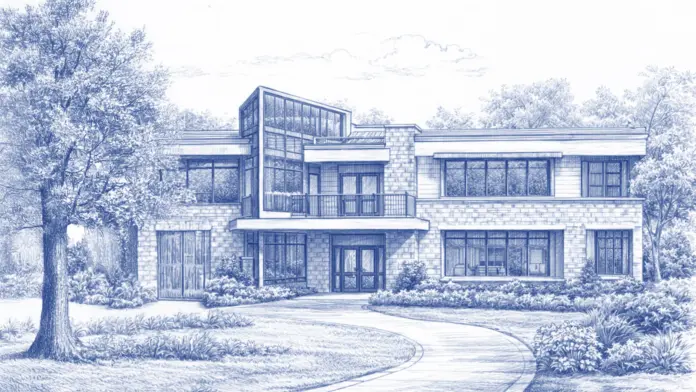
About Grace Recovery Services
Grace Recovery Services (GRS) is an outpatient counseling center in southern Glen Burnie, Maryland, staffed entirely by professionals who are compassionate and passionate about helping members of their community find freedom.
They offer partial hospitalization, intensive outpatient and standard outpatient programs and accept several forms of insurance, including Medicaid.
Care Plans That Are Structured and Personalized
When you go to GRS for treatment, the first thing they do is get an addiction counselor and a clinician to assess your needs and develop a care plan accordingly. As long as you’ve completed your detox and don’t require 24 hour supervision, they’ll have a program that can meet both your treatment and scheduling needs.
Their partial hospitalization program (PHP) is particularly well structured and provides 6 hours of individual and group sessions for 28 days. As a part of this program, they’ll also offer case management and help with transportation to make sure that you can get to all of your sessions.
A Joyful Healing Community
One of the best parts of GRS is that each staff member is both honest and incredibly compassionate, with one past client stating that his therapist went above and beyond to save his life. They frequently host celebrations and events within their community, which can make recovery feel far less isolating.
Facility Overview
 15 - 30
 Latest Reviews



Rehab Score
 Our Methodology


Location
Accepted Insurance
Other Forms of Payment
Private insurance refers to any kind of healthcare coverage that isn't from the state or federal government. This includes individual and family plans offered by an employer or purchased from the Insurance Marketplace. Every plan will have different requirements and out of pocket costs so be sure to get the full details before you start treatment.
Addiction Treatments
Levels of Care
Clients who are exiting detox or intensive inpatient treatment often enroll in outpatient rehab programs to ensure a robust continuity of care. Outpatient programs allow clients to remain in or return to their homes and workplaces while continuing to receive treatment, which typically includes addiction counseling and recovery-focused life skills training. Clients in opioid and/or alcohol recovery may also receive medication assisted treatment (MAT), including medication induction and maintenance, at an outpatient facility.
Clients who are leaving inpatient rehab often choose to transition into an intensive outpatient program (IOP) to receive high-level support as they reintegrate into their home, workplace, and community. Intensive outpatient rehab also benefits those at risk of relapse. Clients typically participate in nine to 20 hours of treatment weekly, with modalities ranging from psychotherapy to addiction and recovery education. Many programs also provide medication assisted treatment (MAT) and complementary care, such as nutrition counseling, and acupuncture.
Commonly known as "day treatment," a partial hospitalization program (PHP) is a short-term intensive rehab option designed to provide treatment during the day and you're able to return home at night. PHP treatment offers structured programming, including individual and group therapy, typically meeting 3-5 days a week for 6-8 hours per day. PHP duration averages around 90 days, with some programs offering amenities like transportation and meals.
Treatments
Alcohol use disorder (AUD), commonly referred to as alcoholism, can be classified as mild, moderate, or severe. Each category involves unhealthy patterns of alcohol consumption and can cause harmful effects. To treat alcohol addiction at any level, alcohol rehab in Maryland is often necessary. These treatment programs provide psychological, social, and medical supports that help individuals overcome alcohol addiction and maintain long-term recovery.
Once a person has become addicted to a substance, drug rehab in Maryland is often necessary to overcome that addiction. These programs provide the tools individuals need to manage the physical, mental, and emotional issues involved and begin a successful recovery journey.
In Maryland, substance abuse treatment programs support individuals struggling with drugs or alcohol, and those who also have mental health conditions. These rehab programs vary, depending on the level of care you need. That might include inpatient rehab, or an outpatient program. Typically, substance abuse treatment includes evidence-based therapies such as cognitive-behavioral therapy (CBT), dialectical behavior therapy (DBT), recovery support meetings, and skills groups to equip you with new coping strategies when you leave rehab.
Clinical Services
Individualized one on one therapy allows the therapist to focus on your specific challenges and strengths. Using a personalized approach enables the therapist to help you develop effective coping mechanisms and build a more stable and fulfilling substance free life.
Cognitive behavioral therapy and motivational interviewing techniques are often part of group therapy sessions. These are evidence based techniques that address thinking and behavioral patterns that trigger addictive behavior. Learning how to address these thought patterns can help create lasting change.
Accreditations

The Commission on Accreditation of Rehabilitation Facilities (CARF) is a non-profit organization that specifically accredits rehab organizations. Founded in 1966, CARF's, mission is to help service providers like rehab facilities maintain high standards of care.
CARF Accreditation: Yes
Rehab.com regularly reviews this listing for accuracy but changes may occur between updates. For the most up-to-date information, please contact Grace Recovery Services.
Contact Information


1401 Madison Park Dr Ste 100A, Glen Burnie, MD 21061
Sponsored Helpline


