





























































































About Haven House
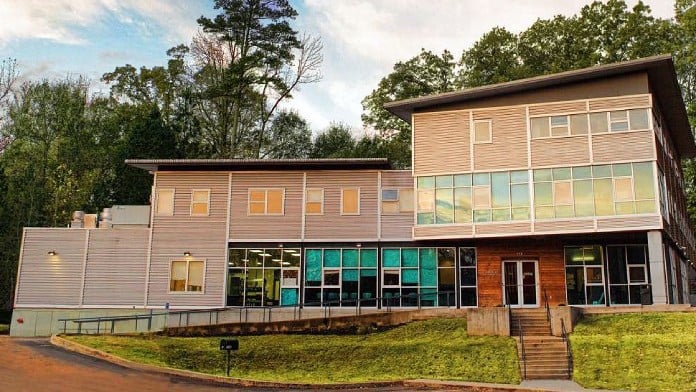
Haven House is a 48-bed residential addiction treatment center in Oxford, Mississippi, operated by Communicare to serve individuals and families across north-central Mississippi. The program provides a full continuum of care, from medically supervised detox through inpatient treatment and outpatient services, with integrated support for co-occurring mental health disorders. With Mississippi recording more than 600 overdose deaths in the 12 months ending March 2024, access to comprehensive residential treatment remains critical for communities across the region.
Residential and Outpatient Treatment at Haven House
Haven House delivers evidence-based substance use treatment across multiple levels of care, including inpatient residential services, intensive outpatient programming, and standard outpatient counseling. The 48-bed co-ed facility serves adults and young adults, offering individual, group, family, and couples counseling delivered by licensed behavioral health professionals.
Clinicians use a range of evidence-based approaches including cognitive behavioral therapy (CBT), dialectical behavior therapy (DBT), motivational interviewing, and contingency management. Medication-assisted treatment (MAT) with buprenorphine and naltrexone is available for those with opioid or alcohol use disorders, and medically supervised detox addresses alcohol, opioid, benzodiazepine, cocaine, and methamphetamine withdrawal.
Integrated Mental Health and Crisis Support
Haven House specializes in coordinated care for individuals with co-occurring substance use and mental health disorders, providing psychiatric services and medication management alongside addiction treatment. A 24-hour crisis hotline and crisis stabilization services ensure that support is available around the clock for behavioral health emergencies across the six-county Communicare service area.
The program incorporates holistic elements including yoga, meditation, recreational therapy, and arts programming to support whole-person recovery. Recovery coaching, peer mentoring, and housing support services help clients build stability beyond the clinical setting.
Insurance, Payment, and Getting Started
Haven House accepts Medicaid, Medicare, TRICARE, and major private insurance plans including BCBS of Mississippi, Aetna, Cigna, UnitedHealth, and Humana. A sliding fee scale is available for those at or below 200% of the federal poverty threshold, and no one is turned away for inability to pay. Individuals seeking addiction treatment in Oxford or the surrounding region can contact Haven House directly to begin the assessment process.
Latest Reviews



Rehab Score
 Our Methodology


Gallery
Accepted Insurance
Other Forms of Payment
Private insurance refers to any kind of healthcare coverage that isn't from the state or federal government. This includes individual and family plans offered by an employer or purchased from the Insurance Marketplace. Every plan will have different requirements and out of pocket costs so be sure to get the full details before you start treatment.
Self-pay involves paying for treatment out of your own pocket. You can use savings or credit, get a personal loan, or receive help from family and friends to fund your treatment. If you don't have insurance or your insurance plan doesn't cover a specific program, self-pay can help ensure you still get the care you need.
Financial aid can take many forms. Centers may have grants or scholarships available to clients who meet eligibility requirements. Programs that receive SAMHSA grants may have financial aid available for those who need treatment as well. Grants and scholarships can help you pai for treatment without having to repay.
Medicare is a federal program that provides health insurance for those 65 and older. It also serves people under 65 with chronic and disabling health challenges. To use Medicare for addiction treatment you need to find a program that accepts Medicare and is in network with your plan. Out of pocket costs and preauthorization requirements vary, so always check with your provider.
Medicaid is a state based program that helps lower-income individuals and families pay for healthcare. Medicaid covers addiction treatment so those enrolled can use their coverage to pay for rehab. When a program accepts Medicaid the client often pays very little or nothing out of their own pocket.
Addiction Treatments
Levels of Care
Residential treatment programs are those that offer housing and meals in addition to substance abuse treatment. Rehab facilities that offer residential treatment allow patients to focus solely on recovery, in an environment totally separate from their lives. Some rehab centers specialize in short-term residential treatment (a few days to a week or two), while others solely provide treatment on a long-term basis (several weeks to months). Some offer both, and tailor treatment to the patient's individual requirements.
Outpatient Programs (OP) are for those seeking mental rehab or drug rehab, but who also stay at home every night. The main difference between outpatient treatment (OP) and intensive outpatient treatment (IOP) lies in the amount of hours the patient spends at the facility. Most of the time an outpatient program is designed for someone who has completed an inpatient stay and is looking to continue their growth in recovery. Outpatient is not meant to be the starting point, it is commonly referred to as aftercare.
Intensive Outpatient programs are for those who want or need a very structured treatment program but who also wish to live at home and continue with certain responsibilities (such as work or school). IOP substance abuse treatment programs vary in duration and intensity, and certain outpatient rehab centers will offer individualized treatment programs. The Intensive Outpatient Program gives patients the chance to participate in a structured treatment plan part-time while they transition back to home and work or other responsibilities.
Sober Living Houses (SLHs), aka sober homes or halfway houses, are safe, substance-free, supportive living facilities for those recovering from substance abuse. Ideal for those who've just been through inpatient or outpatient treatment, SLHs are supervised environments with rules that support sobriety, such as curfews, shared chores, and therapeutic meetings. Residents are also often trained on life skills and coping skills to make it easier to transition into society. SLHs also provide a strong sense of community that can lead to the kind of deep and lasting connections with other sober individuals that supports a new, healthy lifestyle.
Under the 24/7 care of medical professionals, a medically supervised detox helps to ensure your maximum safety and comfort while ridding the body of all addictive substances. In many cases, your medical team will administer various medications (like Suboxone or methadone) to help alleviate the symptoms of withdrawal. After you are fully detoxed off drugs and alcohol, you'll likely transition to the next stage of your recovery process.
Programs
Adult rehab programs include therapies tailored to each client's specific needs, goals, and recovery progress. They are tailored to the specific challenges adult clients may face, including family and work pressures and commitments. From inpatient and residential treatment to various levels of outpatient services, there are many options available. Some facilities also help adults work through co-occurring conditions, like anxiety, that can accompany addiction.
Young adulthood can be an exciting, yet difficult, time of transition. Individuals in their late teens to mid-20s face unique stressors related to school, jobs, families, and social circles, which can lead to a rise in substance use. Rehab centers with dedicated young adult programs will include activities and amenities that cater to this age group, with an emphasis on specialized counseling, peer socialization, and ongoing aftercare.
Clinical Services
Recreational therapy is a holistic approach to drug and alcohol addiction treatment in Mississippi. It integrates activities like hiking, art, and team sports to improve your physical fitness and give you an outlet to express your emotions and stress. Recreational therapy helps people who are rebuilding their lives to maintain long term sobriety.
Amenities
-
 Residential Setting
Staff
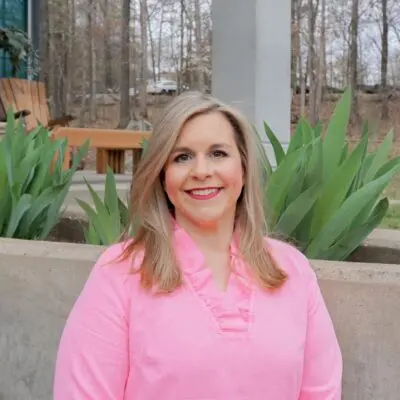
Melody Madaris, Ph.D.
Executive Director
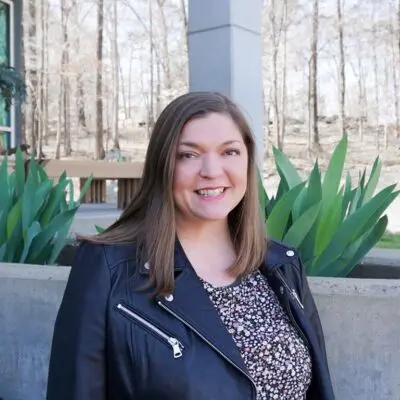
Rachel Alcorn
Clinical Director
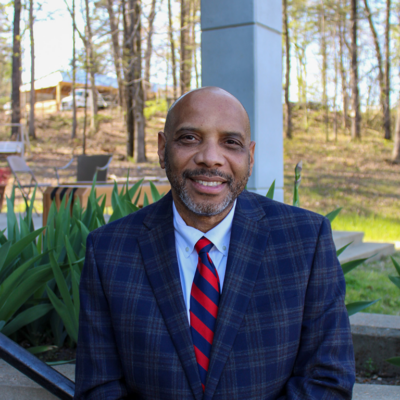
Anthony Jackson, MD
Medical Director

Thomas Fox
Human Resources Director
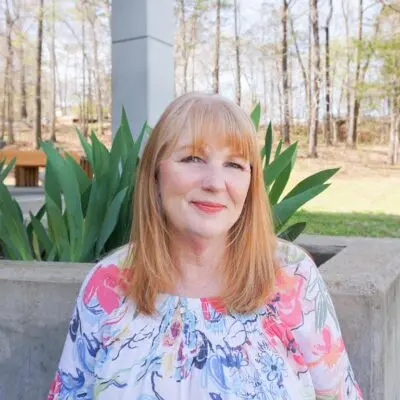
Terri Hall
Substance Use Director
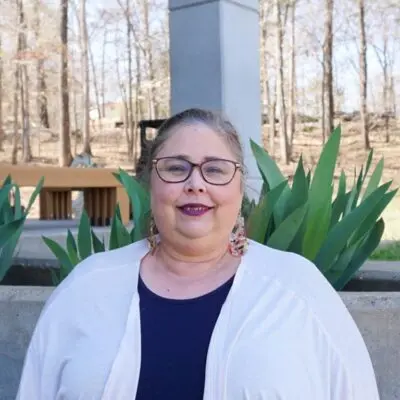
Amanda Hastings
IDD Services Director
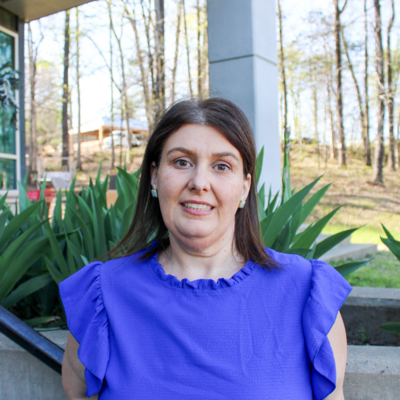
Aimee Floyd
Nursing Director
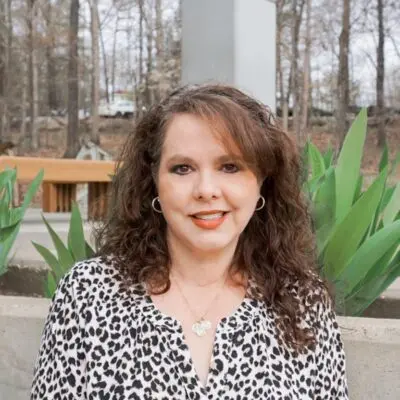
Lisa Hillhouse
Crisis Stabilization Unit Director

Lisa Byars
Haven House Director

Thelma Hubbard
Sunflower Landing Director
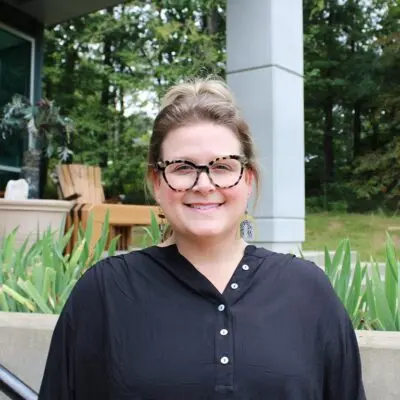
Laura McShane
Intensive Services Director

John Alcorn
Information Technology Director
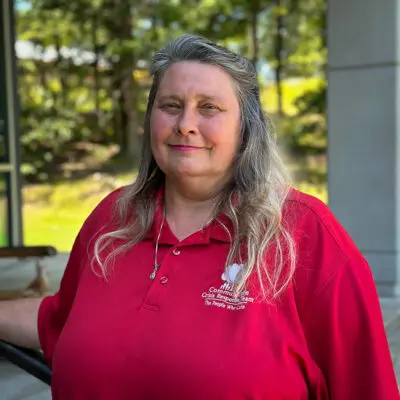
Wendy Pettit
Community Support Specialists Director

Ayannia Giles
Children’s Services Director
Rehab.com regularly reviews this listing for accuracy but changes may occur between updates. For the most up-to-date information, please contact Haven House.
Contact Information


152 MS-7 # A
Oxford, MS 38655
Sponsored Helpline


