




























































































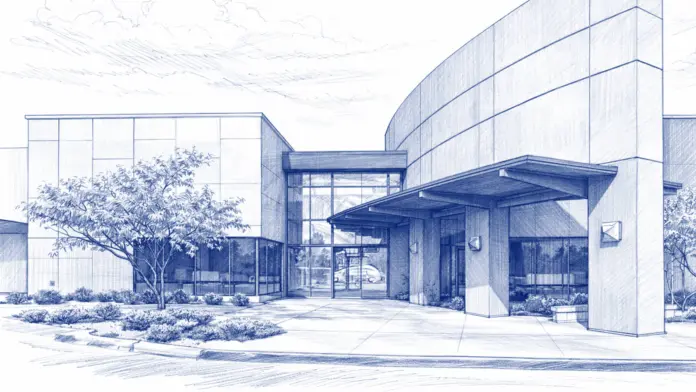
About Health Affiliates Maine
They strive to empower mental health professionals through collaborating with you. You’ll benefit from in-person or virtual individual counseling. They might also be able to go to your home, office, or meet you in your community. There’ll be a wide range of evaluations, relapse prevention training, and family support. You’ll learn about handling grief and trauma in healthier ways than relying on drugs. These approaches can help you learn more about addiction and find better ways to cope.
What stands out most to me is their program for military personnel. They draw from Maine’s military history, and military culture from the Maine National Guard to create a comprehensive, relatable program. They offer a tailored approach for veterans, active and retired service members, and their families. This track focuses on the unique challenges military personnel and their loved ones face with a trauma-informed approach. I think the best part is their clinicians have specialized training to help you address common experiences, like grief, loss, PTSD, and anger.
There are also social services available if you’re available for MaineCare. This can include basic necessities, clothing, financial assistance, and life skills training. There’s also help for any court orders. They also have programs for kids, too. That way, you’ll already have a start on rebuilding your foundation for a healthy future.
Latest Reviews



Rehab Score
 Our Methodology


Gallery
Accepted Insurance

Other Forms of Payment
Self-pay involves paying for treatment out of your own pocket. You can use savings or credit, get a personal loan, or receive help from family and friends to fund your treatment. If you don't have insurance or your insurance plan doesn't cover a specific program, self-pay can help ensure you still get the care you need.
Private insurance refers to any kind of healthcare coverage that isn't from the state or federal government. This includes individual and family plans offered by an employer or purchased from the Insurance Marketplace. Every plan will have different requirements and out of pocket costs so be sure to get the full details before you start treatment.
Medicare is a federal program that provides health insurance for those 65 and older. It also serves people under 65 with chronic and disabling health challenges. To use Medicare for addiction treatment you need to find a program that accepts Medicare and is in network with your plan. Out of pocket costs and preauthorization requirements vary, so always check with your provider.
Addiction Treatments
Levels of Care
Outpatient Programs (OP) are for those seeking mental rehab or drug rehab, but who also stay at home every night. The main difference between outpatient treatment (OP) and intensive outpatient treatment (IOP) lies in the amount of hours the patient spends at the facility. Most of the time an outpatient program is designed for someone who has completed an inpatient stay and is looking to continue their growth in recovery. Outpatient is not meant to be the starting point, it is commonly referred to as aftercare.
Intensive outpatient programs (IOP) enable clients to remain in or return to their community while receiving high-level treatment. Most rehabs offering intensive outpatient treatment require clients to commit to a minimum of nine therapeutic hours per week, though clients who need more robust care often receive up to 20 hours of service weekly. Treatment modalities vary, but generally include psychotherapy, recovery education, evidence-based holistic therapies, and medication assisted treatment (MAT) for alcohol and/or opioid addiction.
A sober living home in Maine is typically located in a quiet neighborhood, where residents can focus on their recovery journey and personal growth. These halfway houses are typically privately owned and maintain strict rules for residents. These standards include abstinence from drug and alcohol use, participation in support group meetings and household chores, contribution to expenses such as rent, and adherence to a set curfew.
Medical detox is the process of removing addictive substances from your body while under medical supervision. Quitting alcohol and drugs on your own can cause uncomfortable and even dangerous side effects. In a medically supervised detox, licensed medical professionals monitor you 24/7 to help keep you as safe and comfortable as possible. The process is highly individualized to fit your specific needs, but the medical detox generally takes 5-7 days.
Programs
Serving in the military is both mentally and physically challenging, and can result in trauma that persists even after combat ends. Military programs are tailored to the specific and often complex needs of active duty personnel, veterans, and military families. Clients often access these programs through the U.S. Department of Veterans Affairs (VA).
Clinical Services
The goal of trauma therapy is to help you process and heal from experiencing or witnessing traumatic events. Your therapist helps you to integrate the experience coherently and then explores the emotions and situations that trigger your responses. This helps you heal and reduces your symptoms.
The therapist engaged in family therapy work with all family members to understand the impact addiction has had on the family unit and individual members. They help develop collective strategies for recovery and facilitate open discussions to help families build resilience and improve interactions. This helps to support their loved one's path to recovery.
To maintain long term recovery, you need to adopt a new way of life that encourages sobriety. To do this, you'll need certain life skills. That's why addiction rehab in Maine incorporates life skills training. This will equip you with the tools you need to successfully manage daily life in recovery.
Staff

Andrea Landry Conley, LCSW
Executive Director

Kate Marble, LCSW
Clinical Director

Michelle Elwell
Director of Human Resources
Randy Runnels
Director of Information Technology
Rehab.com regularly reviews this listing for accuracy but changes may occur between updates. For the most up-to-date information, please contact Health Affiliates Maine.
Contact Information


306 Rodman Rd
Auburn, ME 04211
Sponsored Helpline



