Tree House Recovery PDX
1
Top 10 Rehab Centers In Portland

















































































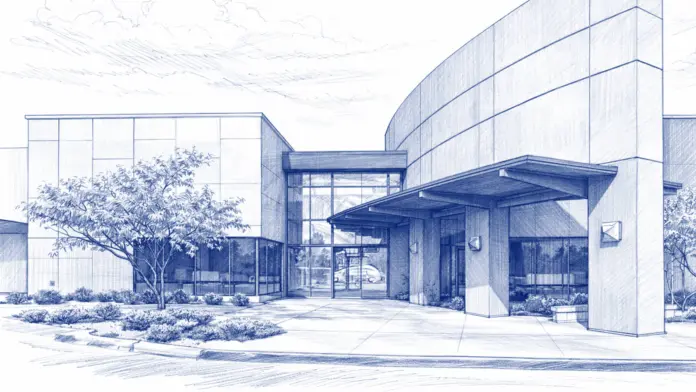
If you’re looking for a comprehensive addiction treatment experience in Portland, Oregon, Hope Center Recovery may be a good option for you. The center provides outpatient treatment for clients with substance use disorder (SUD) and co-occurring mental health challenges.
The center offers outpatient (OP), intensive outpatient (IOP) and partial hospitalization (PHP) programs. They accept insurance from a variety of providers. The treatment center is in the heart of southeast Portland, about five miles from the downtown area. The treatment programs are for adults 18 and over.
The clinicians emphasize a client centered, holistic addiction treatment approach that focuses on the whole person, not just the addiction. Clients have praised the effectiveness of the approach and many have mentioned the personal transformation and growth they’ve experienced while in the program. Others have highlighted the nonjudgmental and welcoming atmosphere and the understanding, compassionate and supportive environment.
The program partners with Hope Sober Living to place clients in situations that are most advantageous to their recoveries after treatment. The sober homes offer a structured environment where clients are held accountable as they learn to live in recovery. The houses offer protective factors for those newly sober.


 15 - 30
 Our Methodology


Private insurance refers to any kind of healthcare coverage that isn't from the state or federal government. This includes individual and family plans offered by an employer or purchased from the Insurance Marketplace. Every plan will have different requirements and out of pocket costs so be sure to get the full details before you start treatment.
Self-pay involves paying for treatment out of your own pocket. You can use savings or credit, get a personal loan, or receive help from family and friends to fund your treatment. If you don't have insurance or your insurance plan doesn't cover a specific program, self-pay can help ensure you still get the care you need.
Medical detox is the process of weaning your body off drugs and/or alcohol under 24/7 medical supervision. Suddenly stopping use of addictive substances can have negative side effects, and in severe cases, it can be extremely dangerous or deadly. In an inpatient environment, a medically assisted detox provides you with a team of medical professionals whose job is to help alleviate potential withdrawal symptoms and keep you safe and comfortable. After this process, you'll likely transition to an inpatient treatment program or other form of continued care.
A partial hospitalization program (PHP) is a more intensive form of outpatient and can be a step-down service in substance use disorder treatment. During PHP treatment, which lasts 4-8 hours per day and up to 5 days a week, you'll participate in daily therapeutic services (relapse prevention, medication management, and behavioral therapy) for an average of 90 days. The cost of PHP treatment varies, but it is typically covered by insurance providers.
Intensive outpatient programs provide robust, high-frequency care for clients in early recovery and those at an increased risk of relapse. Clients are generally expected to participate in nine to 20 hours of treatment per week, with the number and duration of sessions decreasing as clients stabilize. Intensive outpatient treatment often combines psychotherapy, including individual, group, and family counseling, with addiction and recovery education. Medication assisted treatment (MAT) and holistic therapies are also common.
Clients who wish to remain in their homes while in recovery may elect to enroll in an outpatient rehab, many of which offer evening, night, and weekend services to accommodate clients' schedules. Most outpatient facilities provide multiple levels of care to align with clients' evolving needs, including partial hospitalization (PHP) and intensive outpatient (IOP) for clients who require robust support and supervision. Addiction counseling and recovery-focused life skills training are the most common treatment modalities.
Alcoholism is characterized by tolerance to alcohol and withdrawal symptoms if drinking suddenly ceases. To overcome alcohol addiction, some people may require intensive alcohol rehab in Oregon. This treatment is highly structured and typically includes medical detox, behavioral therapies, and 12-step programs. Support systems are crucial during and after rehab, so involvement in support groups typically continues after rehab treatment is complete.
Drug rehab in Oregon offers a full continuum of care for those struggling with addiction. From detox, to inpatient, to outpatient, to aftercare, Oregon residents can find the support they need for recovery. This treatment empowers individuals to replace drug use with positive alternatives and develop a healthier lifestyle.
 Opioid Addiction
You can find comprehensive substance abuse treatment in Oregon, for individuals struggling with substance abuse and/or co-occurring mental health disorders. Typically, you'll find inpatient, outpatient, and residential programs, which incorporate evidence-based therapies such as cognitive-behavioral therapy (CBT), dialectical behavior therapy (DBT), and mindfulness-based interventions. Treatment usually begins with a comprehensive assessment and personalized treatment plan, which may involve individual, group, and family therapy. You'll also learn vital skills to help you sustain your sobriety.
In Oregon, dual-diagnosis addiction treatment programs provide integrated care for individuals with co-occurring substance use disorders and mental health conditions. Specialized programs include outpatient, inpatient, and partial hospitalization options. Using a combination of individual and group therapy, psychoeducation, and skills training, a team of clinical addiction and mental health experts can treat the underlying causes of your addiction and improve your mental health.
When you experience a co-occurring drug or alcohol addiction and a mental health disorder, a dual diagnosis treatment center offers the specialized services needed to address both conditions at the same time. By treating both disorders at once - under the same roof and with 24/7 access to mental health professionals – you drastically increase your chances of being successful in long-term recovery.
Cognitive behavioral therapy (CBT) in Oregon is a short term talk therapy method used to treat mental and behavioral disorders. Based on client needs, the therapist may recommend five to 20 sessions. Typically, this form of therapy requires fewer sessions than many other types of treatment.
The six main elements of dialectical behavior therapy are designed to help you develop skills for recovery. These are related to: 1. Accepting your circumstances 2. Learning new skills 3. Receiving support 4. Learning positive behavioral responses 5. Changing negative thought patterns 6. Building collaboration skills.
Viewed as a method of communication rather than an intervention, motivational interviewing is an evidence based approach to rehab treatment in Oregon. The principles of this method have a common sense appeal and are readily applied to many therapeutic programs. Core strategies include acceptance, listening, and summarizing.
Individualized therapy is personalized sessions to address your drug and alcohol addiction treatment. Your therapist seeks to understand your background and addiction triggers so they can collaborate with you to create a customized plan. In this plan, you set realistic goals, address underlying mental and emotional issues, and develop effective coping strategies.
Group therapy sessions build community among participants. This community spirit creates strong bonds that support your path to recovery. The group setting offers you the opportunity to share experiences and goals in a judgment free environment.

6828 SE Holgate Blvd, Portland, OR 97206
Sponsored Helpline

I do not recommend this treatment center for anyone that's trying to take their treatment seriously. I was kicked out of sober living after 30 days for allegedly having an attitude wake my roommate who ended up getting kicked out for being drunk after a night of taking out other patients to a bar. I was told "I wasn't a good fit". I guess protecting my sobriety while living in sober living is a problem for them. That roommate put everybody at risk and continues to do so as she still continues to go to the treatment center. I believe anyone that hangs around her will eventually relapse. I continued to go to the treatment center every day and participated in all of the groups attending three meetings a night. The head counselor told me that "I was doing good in groups a little too good" whatever that means? But then was kicked out of treatment for being late. I should have handled that problem before I went to detox. I'm sorry I came to treatment with issues from my addiction. The receptionist is a normie and she is extremely rude to all of the patients. I've seen her taking pictures and video taping patients when they're outside on their breaks. She's been caught in the clothing closet spying on other counselors conversations. This treatment center was a huge disappointment. Within 2 hours of being kicked out I did an intake at another treatment facility and have kept my clean date despite this experience. If you are serious about treatment don't waste your time at the Hope center.

WOW that receptionist is rude!!!


Great environment for learning the tools and changing your life. Management and facilitators who have shared life experiences with the clients which helps strengthen the trust and rapport. Hope genuinely cares about helping
 Back
Back
Sharing your insights and experiences can help others learn more about this rehab center.