





























































































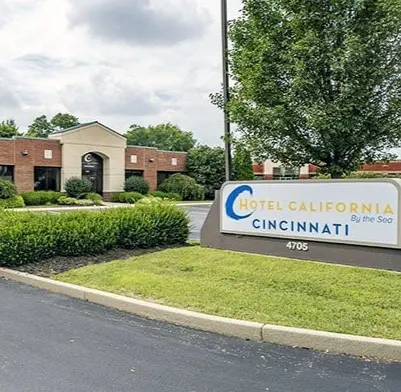




If they had negative stars I would give it. This place is unequipped to handle detox and rehab... they take your money -- then you are on your own. The worst experience dealing with almost any company I have encountered. I find this place to be a money making scam. If you se ...
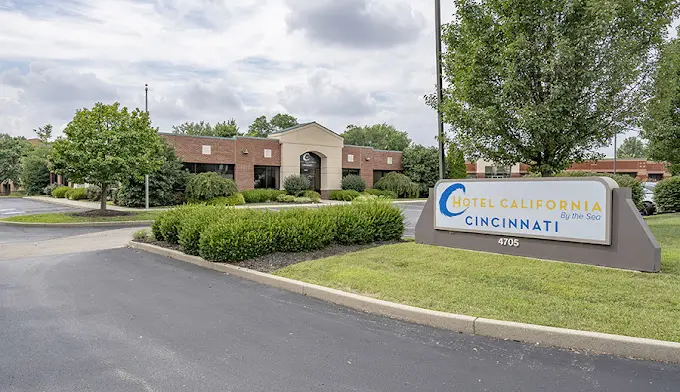
About Hotel California by the Sea – Cincinnati
Specialized Programs for Men, Women & Students
Individualized treatment is crucial in addiction care, as everyone’s experience is unique. Hotel California by the Sea tailors each client’s treatment plan, offering various therapeutic modalities and wraparound services to meet people’s distinct needs. For instance, they offer gender-specific programs for men and women as well as eye movement desensitization and reprocessing (EMDR) therapy for people whose substance use is rooted in trauma.
Additionally, they offer a career resources program to equip people with skills needed to reenter the workforce and find gainful employment. There is also a college education support program that helps students apply to colleges, choose a major, connect with study groups and other resources and find reliable transportation to and from school while in treatment. These programs can help people not only overcome their addiction, but establish a solid foundation for a fulfilling, healthy life in long term recovery.
Positive Client Feedback
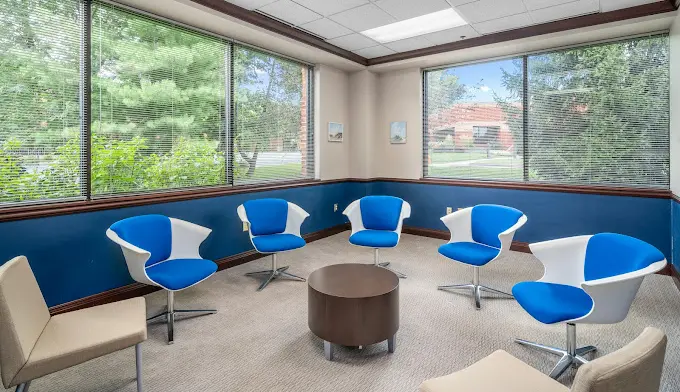
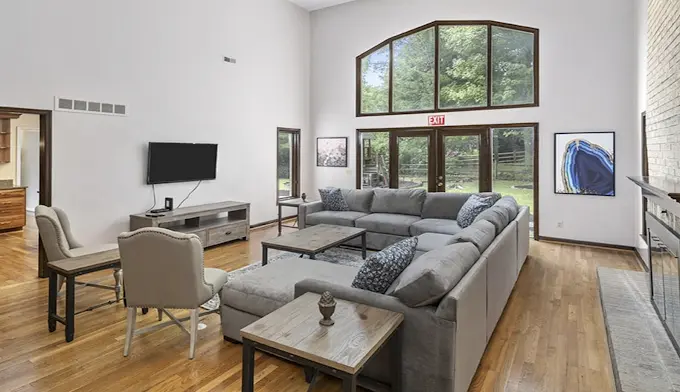
Clients say this facility is clean and comfortable, with some noting the rooms are even better than those in hotels. People also praise the staff for being kind, professional and knowledgeable. Several folks say they appreciate the robust education component in Hotel California by the Sea’s programming, which helped them better understand their disease. Many also say they felt a real sense of community here and made lifelong friends.
Latest Reviews
They saved me when I was at my lowest. I think I paid close to 100k grand or so with the help of my insurance but all in all it was totally worth it. Hotel by the Sea Cincinnati is a life-changing facility with world class facilities, amenities, and staff. You’ll get the whole nine yards here, they’ll take great care of you.
Definitely a place to give yourself a chance to live life!! They will come and get you !! It’s literally like a top notch resort and gives you the time you need in so much peace and tranquillity!
Response from the owner1 week ago
thanks for taking the time to review us Lindsey, its heartwarming to read your review and we hope to see you at our alumni events.
I was very nervous in the beginning, but the staff and other patients made me feel so welcome. I got a lot of help in the community of individuals that to this day. I call friends..
Response from the owner1 week ago
thank you Darcy! Hope to see you at an alumni meeting! 
Rehab Score
 Our Methodology
Scoring is assigned by a proprietary system which helps surface key metrics that determine quality. The 10-point scale factors in categories such as operations, customer satisfaction, and trust metrics. Read Full Methodology

7.6 / 10
Gallery

Accepted Insurance
Other Forms of Payment
Private insurance refers to any kind of healthcare coverage that isn't from the state or federal government. This includes individual and family plans offered by an employer or purchased from the Insurance Marketplace. Every plan will have different requirements and out of pocket costs so be sure to get the full details before you start treatment.
Self-pay involves paying for treatment out of your own pocket. You can use savings or credit, get a personal loan, or receive help from family and friends to fund your treatment. If you don't have insurance or your insurance plan doesn't cover a specific program, self-pay can help ensure you still get the care you need.
Military members, veterans, and eligible dependents have access to specific insurance programs that help them get the care they need. TRICARE and VA insurance can help you access low cost or no cost addiction and mental health treatment. Programs that accept military insurance often have targeted treatment focused on the unique challenges military members, veterans, and their families face.
Addiction Treatments
Levels of Care
Outpatient Programs (OP) are for those seeking mental rehab or drug rehab, but who also stay at home every night. The main difference between outpatient treatment (OP) and intensive outpatient treatment (IOP) lies in the amount of hours the patient spends at the facility. Most of the time an outpatient program is designed for someone who has completed an inpatient stay and is looking to continue their growth in recovery. Outpatient is not meant to be the starting point, it is commonly referred to as aftercare.
Intensive outpatient programs (IOP) are designed for clients who need frequent, high-level care but do not require, or choose to forgo, inpatient treatment. Most intensive outpatient rehabs offer a minimum of nine hours of treatment weekly, though clients may receive up to 20 hours of care as needed. These programs typically combine various treatment modalities, including individual, group, and family counseling, medication assisted treatment (MAT), addiction and recovery education, and evidence-based complementary therapies, such as acupuncture and massage.
Rehab aftercare programs are designed to ensure clients receive continuing care while in the maintenance phase of recovery. Some clients may be in outpatient treatment, which is generally considered to be an element of drug rehab aftercare. The specific services provided in these programs are often determined by the client's case manager and care team in consultation with the client. Common services include peer coaching, career counseling, and 12 step program induction.
Drug and alcohol addiction often takes a heavy toll on one's body. Over time, a physical dependence can develop, meaning the body physiologically needs the substance to function. Detox is the process of removing drugs and/or alcohol from the body, a process that can be lethal if mismanaged. Medical detox is done by licensed medical professionals who monitor vital signs and keep you safe, healthy, and as comfortable as possible as you go through detox and withdrawal. The length of stay at the detoxification program is determined according to the specific needs of the patient.
Treatments
Substance rehabs focus on helping individuals recover from substance abuse, including alcohol and drug addiction (both illegal and prescription drugs). They often include the opportunity to engage in both individual as well as group therapy.
Programs
Adult rehab programs include therapies tailored to each client's specific needs, goals, and recovery progress. They are tailored to the specific challenges adult clients may face, including family and work pressures and commitments. From inpatient and residential treatment to various levels of outpatient services, there are many options available. Some facilities also help adults work through co-occurring conditions, like anxiety, that can accompany addiction.
Recovery is most successful when clients feel accepted and validated by their peers and treatment providers. Facilities that offer LGBTQ-inclusive programming are committed to creating a safe space where everyone can grow and recover without fear of judgment or discrimination. They will have dedicated policies in place to create a safe and supportive environment that fosters free expression.
Clinical Services
Cognitive Behavioral Therapy (CBT) is a therapy modality that focuses on the relationship between one's thoughts, feelings, and behaviors. It is used to establish and allow for healthy responses to thoughts and feelings (instead of unhealthy responses, like using drugs or alcohol). CBT has been proven effective for recovering addicts of all kinds, and is used to strengthen a patient's own self-awareness and ability to self-regulate. CBT allows individuals to monitor their own emotional state, become more adept at communicating with others, and manage stress without needing to engage in substance abuse.
Group therapy is any therapeutic work that happens in a group (not one-on-one). There are a number of different group therapy modalities, including support groups, experiential therapy, psycho-education, and more. Group therapy involves treatment as well as processing interaction between group members.
Individual therapy for drug and alcohol addiction treatment gives you a safe space to discuss your emotional, mental, and physical challenges. Your therapist will guide and support you as you collaborate to develop personalized strategies to manage your stress and navigate the challenges of your recovery.
Therapists who apply motivational interviewing in Ohio don't try to confront clients or force advice onto them. Instead, they listen and come alongside clients to help them explore why and how they might decide to make changes for themselves.
Some couples therapy in Ohio is designed as short term treatment to address a specific problem in the relationship, such as anxiety, depression, or addiction. Other couples therapy may focus on general strengthening of the relationship by improving interactions.
Family therapy offers a group time to collectively make an effort to understand and combat the issues and challenges associated with addiction. Therapists work with family members to establish healthy boundaries between each other and their loved one who is addicted, improve emotional support systems, and work together toward a sustained long term recovery.
When you quit smoking, your body experiences withdrawal because it's not used to the absence of nicotine. When you use nicotine replacement therapy in Ohio, you get controlled amounts of nicotine to ease these symptoms without the negative effects of the other chemicals found in cigarettes.
Amenities
-
 Private Setting
 -
 Wifi
Wifi
Staff & Accreditations
Staff

Carl Mosen
CEO

Kevin Mello
President

Brian Burke
VP

Bryan Bixler, MS
Chief Program Officer

Dr. Renu Kotwal, MD
Medical Director

Joe Franza
Administrator
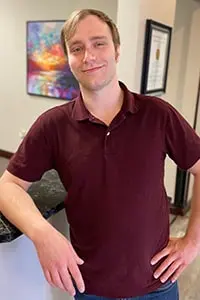
Tyler Bruns
Operations Manager

David Domroy
Clinical Manager
Accreditations

The Joint Commission, formerly known as JCAHO, is a nonprofit organization that accredits rehab organizations and programs. Founded in 1951, the Joint Commision's mission is to improve the quality of patient care and demonstrating the quality of patient care.
Joint Commission Accreditation: Yes

LegitScript has reviewed Hotel California by the Sea – Cincinnati as part of their certification program, and has determined that it meets the LegitScript standards for legality, safety and transparency.
LegitScript verified in December 2020
Rehab.com regularly reviews this listing for accuracy but changes may occur between updates. For the most up-to-date information, please contact Hotel California by the Sea – Cincinnati.
Contact Information

4705 Lake Forest Dr
Cincinnati, OH 45242
Get Help Now - 513-427-2173
Sponsored Helpline
Sponsored Helpline



