
























































About I’m In Transition
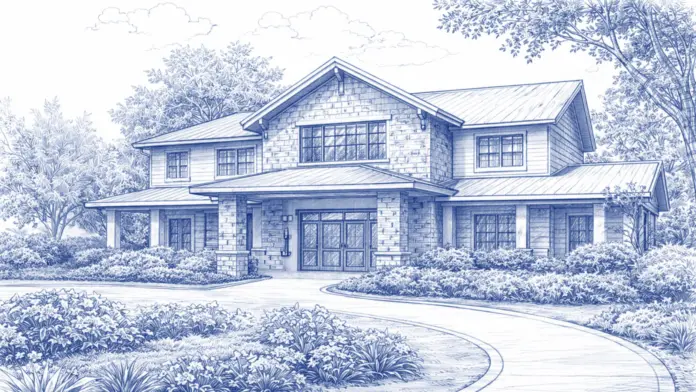
I’m In Transition is a comprehensive addiction treatment provider in South Euclid, Ohio offering outpatient services and recovery housing for individuals overcoming substance use disorders. The facility provides intensive outpatient programs and partial hospitalization programs, medication assisted treatment and addiction counseling tailored to each person’s recovery journey.
Their holistic approach combines evidence based therapies with support for mental health conditions and helps clients build sustainable recovery and successful reintegration into the community.
Recovery Support
I’m In Transition delivers personalized outpatient care through intensive outpatient and partial hospitalization programming designed to address a wide range of substance use disorders. The facility incorporates both in person and virtual recovery options, making treatment accessible for clients at various stages of their journey.
Treatment sessions include individual and group counseling using evidence based practices, complemented by holistic approaches such as meditation and mindfulness. Medication assisted treatment is available to help manage withdrawal symptoms and cravings, while therapies target both immediate symptoms and underlying issues. Clients receive comprehensive support for mental health conditions to ensure a whole person approach to healing.
Reintegration Services
I’m In Transition offers structured recovery housing that provides a supportive environment for individuals transitioning to independent living. The program specializes in serving those re entering society after incarceration, addressing the unique challenges of this population. Job readiness programs help clients prepare for employment post recovery, supporting long term stability and success.
Getting Started with Treatment
I’m In Transition serves clients in South Euclid and surrounding areas with in person services at their Green Road location, plus virtual recovery options for remote participation. The facility is open Monday through Friday from 9am to 5pm.
Payment options include self pay with sliding scale fees and payment plans, Medicaid and most major insurance plans including Aetna, Cigna and Blue Cross Blue Shield.

Rehab Score
 Our Methodology


Location
Accepted Insurance

Other Forms of Payment
Medicaid is a state based program that helps lower-income individuals and families pay for healthcare. Medicaid covers addiction treatment so those enrolled can use their coverage to pay for rehab. When a program accepts Medicaid the client often pays very little or nothing out of their own pocket.
Self-pay involves paying for treatment out of your own pocket. You can use savings or credit, get a personal loan, or receive help from family and friends to fund your treatment. If you don't have insurance or your insurance plan doesn't cover a specific program, self-pay can help ensure you still get the care you need.
Sliding scale payments are based on a client's income and family size. The goal is to make treatment affordable to everyone. By taking these factors into account, addiction recovery care providers help ensure that your treatment does not become a financial burden to you or your family, eliminating one barrier to care.
Addiction Treatments
Levels of Care
Designed for individuals with moderate to severe addictions, a partial hospitalization program (PHP) provides a more intensive form of outpatient therapy. PHP treatment can serve as an alternative to inpatient hospitalization or as a step-down option after being discharged from a hospital or residential program. A partial hospitalization program typically requires a minimum of 20 hours weekly for an average of 90 days. Depending on your care plan, PHPs can include relapse prevention, medication management, and behavioral therapy services.
Intensive outpatient programs (IOP) are designed for clients who need frequent, high-level care but do not require, or choose to forgo, inpatient treatment. Most intensive outpatient rehabs offer a minimum of nine hours of treatment weekly, though clients may receive up to 20 hours of care as needed. These programs typically combine various treatment modalities, including individual, group, and family counseling, medication assisted treatment (MAT), addiction and recovery education, and evidence-based complementary therapies, such as acupuncture and massage.
Outpatient rehabs offer robust wraparound care for clients who are stepping down from intensive inpatient care, with many facilities providing multiple levels of care, including partial hospitalization (PHP), intensive outpatient (IOP), sober living/halfway housing, and standard outpatient programming. Clients may also elect to enroll in outpatient care immediately after completing inpatient detox. Those who are at lower risk of withdrawal complications may also choose to receive ambulatory medical detox from an outpatient facility. Outpatient programs typically involve addiction counseling, recovery education, and/or medication assisted treatment (MAT). Holistic therapies, such as art and music therapy, are commonly available.
A sober living home in Ohio is often recommended for those completing a drug rehab program. When you leave the structured setting of rehab, returning home can trigger relapse due to the abrupt change in environment. Men's and women's sober living homes act as transitional spaces to continue developing tools for recovery before fully re-entering society. It gives you time to adjust to the demands of life, in a setting that is free from substances.
When in-person visits aren't feasible, telehealth in Ohio can allow you to get the support you need remotely. Telehealth services are provided via text messaging, video conferencing, or other telecommunication technology, so you can access care from anywhere.
Treatments
An alcohol use disorder (AUD), also commonly called alcoholism, can range from mild to severe. It involves compulsive consumption of alcohol and maladaptive patterns of drinking that lead to negative physical, social, and relational consequences. Diverse treatment programs are available for people with AUD. Mutual-support groups, medications, and behavioral treatments are provided through alcohol rehab in Ohio. If co-occurring disorders are present, it is important to receive treatment for both disorders.
 Opioid Addiction
Drug rehab in Ohio provides comprehensive treatment to address the physical and psychological needs of those struggling with substance use disorders. This may involve inpatient and/or outpatient care.
Ohio's substance abuse treatment programs can support individuals struggling with drug and alcohol use. Typically available on an outpatient or inpatient basis, these programs employ evidence-based therapies such as cognitive-behavioral therapy (CBT), dialectical behavior therapy (DBT), and holistic approaches to provide effective addiction treatment. This comprehensive approach ensures long-term sobriety, improved mental health, and coping skills to overcome risk of relapse.
Treatment for drug and alcohol addiction addresses both the physical and the mental health impacts caused by a consistent supply of addictive substances. When addressing both an addiction and a mental health disorder simultaneously, a dual diagnosis treatment center is required. Staff are certified to deal with these complex conditions and equipped to deal with mental health emergencies that may occur.
In Ohio, dual-diagnosis addiction treatment programs provide specialized care for individuals with co-occurring substance use disorders and mental health conditions. These programs offer outpatient, residential drug and alcohol rehab, and intensive outpatient options. Treatment usually includes a thorough mental health assessment, tailored treatment plan, various types of therapy, and education to equip you with the tools to achieve and maintain your sobriety.
Clinical Services
Cognitive behavioral therapy in Ohio may occur in individual, group, or family sessions. It involves focusing on specific thought and behavior problems. Participants learn coping techniques and are asked to practice them as homework between sessions.
Participants of group therapy sessions typically learn coping skills, communication techniques, and relapse prevention strategies. This unique set of skills helps you to navigate the challenges you find in the community and supports your long term sobriety.
Individual therapy for drug and alcohol addiction treatment gives you a safe space to discuss your emotional, mental, and physical challenges. Your therapist will guide and support you as you collaborate to develop personalized strategies to manage your stress and navigate the challenges of your recovery.
Contact Information


1496 S Green Rd, South Euclid, OH 44121
Sponsored Helpline
