











Indiana Center For Recovery – Alcohol & Drug Rehab Center – Bloomington
1
Top 10 Rehab Centers In Bloomington



















































































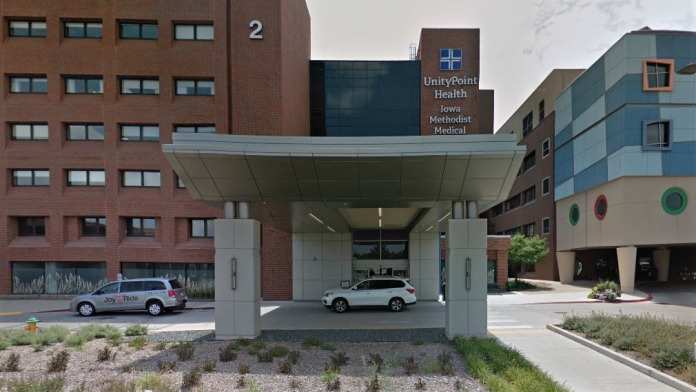
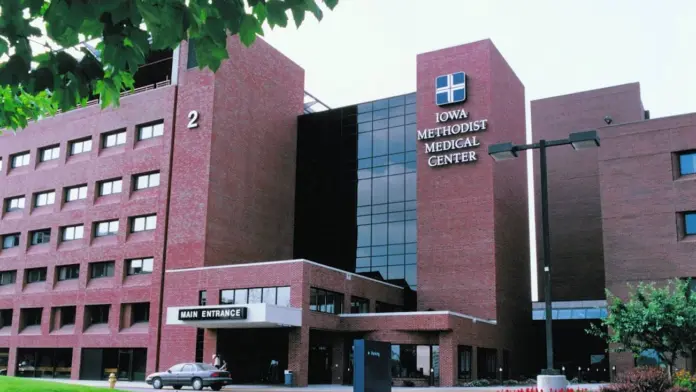
Located in Des Moines, Iowa, is UnityPoint Health’s Iowa Methodist Medical Center. It’s not too far from Rotary Riverwalk Park. This is a medical campus that offers everything from emergency room services to inpatient treatment and outpatient care for routine health checks that require more extensive care than you’d receive at a primary care clinic. There’s an onsite pharmacy to make it easy to fill prescriptions.
This Health Center can support you with a range of healthcare for behavioral health conditions or crises. There’s also dedicated substance abuse and prevention support available.
Their behavioral health treatment room is equipped to work you through a mental health crisis or a co-occuring substance use disorder. Trained and experienced medical and mental health professionals can treat your symptoms and help you stabilize.
Depending on your circumstances, medication support may be required to help alleviate the symptoms you’re facing.
Since this is a major medical facility serving the greater Des Moines region, you’ll find comprehensive clinical care. One way they do that is through referrals to more robust services within UnityPoint Health. This can include referrals to inpatient treatment or medication management.
You’ll first undergo a thorough assessment to determine what behavioral health conditions you’re facing. From there, you’ll work with dedicated mental health professionals and addiction recovery specialists to create a plan of action with targeted recovery goals for you to meet.

 Our Methodology


Private insurance refers to any kind of healthcare coverage that isn't from the state or federal government. This includes individual and family plans offered by an employer or purchased from the Insurance Marketplace. Every plan will have different requirements and out of pocket costs so be sure to get the full details before you start treatment.
Self-pay involves paying for treatment out of your own pocket. You can use savings or credit, get a personal loan, or receive help from family and friends to fund your treatment. If you don't have insurance or your insurance plan doesn't cover a specific program, self-pay can help ensure you still get the care you need.
Sliding scale payments are based on a client's income and family size. The goal is to make treatment affordable to everyone. By taking these factors into account, addiction recovery care providers help ensure that your treatment does not become a financial burden to you or your family, eliminating one barrier to care.
Medicare is a federal program that provides health insurance for those 65 and older. It also serves people under 65 with chronic and disabling health challenges. To use Medicare for addiction treatment you need to find a program that accepts Medicare and is in network with your plan. Out of pocket costs and preauthorization requirements vary, so always check with your provider.
Outpatient Programs (OP) are for those seeking mental rehab or drug rehab, but who also stay at home every night. The main difference between outpatient treatment (OP) and intensive outpatient treatment (IOP) lies in the amount of hours the patient spends at the facility. Most of the time an outpatient program is designed for someone who has completed an inpatient stay and is looking to continue their growth in recovery. Outpatient is not meant to be the starting point, it is commonly referred to as aftercare.
Residential treatment programs are those that offer housing and meals in addition to substance abuse treatment. Rehab facilities that offer residential treatment allow patients to focus solely on recovery, in an environment totally separate from their lives. Some rehab centers specialize in short-term residential treatment (a few days to a week or two), while others solely provide treatment on a long-term basis (several weeks to months). Some offer both, and tailor treatment to the patient's individual requirements.
Intensive outpatient programs (IOP) offer high-level care for clients in early recovery or who are at an increased risk of relapse. Clients may also enroll in an IOP immediately following detox, enabling them to continue to work and to live at home. Clients attend multiple outpatient treatment sessions for a minimum of nine hours per week. Many intensive outpatient rehabs provide a variety of services, including psychotherapy, recovery education, and medication assisted treatment (MAT).
Rehab aftercare programs support clients' reintegration into their home, workplace, and community following inpatient and residential treatment. They also promote long-term recovery for clients who may no longer be receiving outpatient treatment. Rehab aftercare services encompass a wide range of modalities and often include various medical, mental health, and social service programs. Case managers and care teams develop clients' customized service plans based on the client's evolving needs and recovery goals.
Many rehabs base their treatment models on 12 step programs, which are often considered a gold standard in addiction recovery. 12 step recovery prioritizes participants' spiritual development as a means to heal the emotional and psychological wounds that have contributed to the addiction. Participants engage in regular, peer-led group meetings, which are free, anonymous, and accessible 24 hours per day, 365 days a year in most communities. Though these programs are spiritually-grounded, religious affiliation isn't required.
The goal of a sober living home in Iowa is to provide individuals in recovery a bridge between rehab treatment and returning home. Each home has a set of rules that residents must abide by if they want to remain in the home. The top rule is sobriety. There is a zero-tolerance policy for drug and alcohol use. Other typical halfway house rules include attendance at 12-step meetings and helping with responsibilities around the house.
If you've become physically dependent on drugs or alcohol, quitting suddenly can cause very dangerous side effects. During a medically assisted detox, licensed medical professionals will monitor your vitals around the clock and provide medications if necessary to ensure you're as safe and comfortable as possible throughout this process.
The goal of treatment for alcoholism is abstinence. Those with poor social support, poor motivation, or psychiatric disorders tend to relapse within a few years of treatment. For these people, success is measured by longer periods of abstinence, reduced use of alcohol, better health, and improved social functioning. Recovery and Maintenance are usually based on 12 step programs and AA meetings.
Drug rehab in Iowa is available in many formats. A variety of inpatient and outpatient options provide programs that are tailored to individual needs, making recovery possible for everyone.
A combined mental health and substance abuse rehab has the staff and resources available to handle individuals with both mental health and substance abuse issues. It can be challenging to determine where a specific symptom stems from (a mental health issue or an issue related to substance abuse), so mental health and substance abuse professionals are helpful in detangling symptoms and keeping treatment on track.
Opioid rehabs specialize in supporting those recovering from opioid addiction. They treat those suffering from addiction to illegal opioids like heroin, as well as prescription drugs like oxycodone. These centers typically combine both physical as well as mental and emotional support to help stop addiction. Physical support often includes medical detox and subsequent medical support (including medication), and mental support includes in-depth therapy to address the underlying causes of addiction.
Adult rehab programs include therapies tailored to each client's specific needs, goals, and recovery progress. They are tailored to the specific challenges adult clients may face, including family and work pressures and commitments. From inpatient and residential treatment to various levels of outpatient services, there are many options available. Some facilities also help adults work through co-occurring conditions, like anxiety, that can accompany addiction.
Young adulthood can be an exciting, yet difficult, time of transition. Individuals in their late teens to mid-20s face unique stressors related to school, jobs, families, and social circles, which can lead to a rise in substance use. Rehab centers with dedicated young adult programs will include activities and amenities that cater to this age group, with an emphasis on specialized counseling, peer socialization, and ongoing aftercare.
Recovery is most successful when clients feel accepted and validated by their peers and treatment providers. Facilities that offer LGBTQ-inclusive programming are committed to creating a safe space where everyone can grow and recover without fear of judgment or discrimination. They will have dedicated policies in place to create a safe and supportive environment that fosters free expression.
Group therapy is any therapeutic work that happens in a group (not one-on-one). There are a number of different group therapy modalities, including support groups, experiential therapy, psycho-education, and more. Group therapy involves treatment as well as processing interaction between group members.
In individual therapy, a patient meets one-on-one with a trained psychologist or counselor. Therapy is a pivotal part of effective substance abuse treatment, as it often covers root causes of addiction, including challenges faced by the patient in their social, family, and work/school life.
Whether a marriage or other committed relationship, an intimate partnership is one of the most important aspects of a person's life. Drug and alcohol addiction affects both members of a couple in deep and meaningful ways, as does rehab and recovery. Couples therapy and other couples-focused treatment programs are significant parts of exploring triggers of addiction, as well as learning how to build healthy patterns to support ongoing sobriety.
Research clearly demonstrates that recovery is far more successful and sustainable when loved ones like family members participate in rehab and substance abuse treatment. Genetic factors may be at play when it comes to drug and alcohol addiction, as well as mental health issues. Family dynamics often play a critical role in addiction triggers, and if properly educated, family members can be a strong source of support when it comes to rehabilitation.
 Private Setting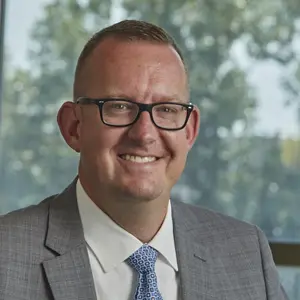
Market President
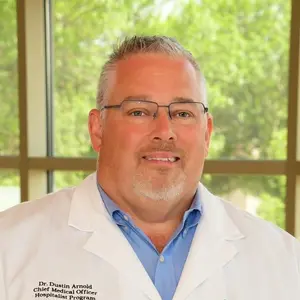
Chief Medical Officer & Associate Medical Director
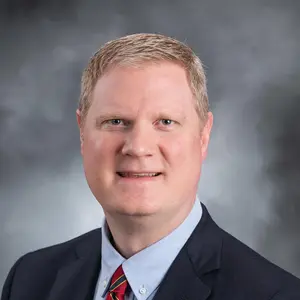
VP of Finance
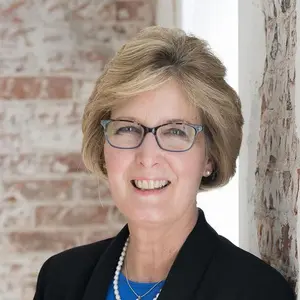
Chief Nursing Officer

VP of Operations
Rehab.com regularly reviews this listing for accuracy but changes may occur between updates. For the most up-to-date information, please contact UnityPoint Health – Iowa Methodist Medical Center Outpatient Pharmacy.

1200 Pleasant Street
Des Moines, IA 50309
Sponsored Helpline

Just state that even my fall in the hospital was mis documented. False charting even to cover yourself is not okay. Being a nurse myself this is really disappointing to see.

I recently had a VCUG procedure at Iowa Methodist Hospital, and while the test itself was uncomfortable and stressful, the care I received was outstanding. Dr. Amanda Oppedal, along with technologists Olivia Jackson and Britney Smith, treated me with exceptional compassion, kindness, and professionalism. They made a very vulnerable experience so much easier by offering reassurance, holding my hand, and making sure I felt respected and cared for every step of the way. People are quick to share complaints, but outstanding care deserves to be recognized too. Iowa Methodist should be proud to have these three professionals on their team. They truly make a difference.

Pretty decent for a hospital

Would give 0 if I could. Waited and waited to be treated like a second class citizen. Finally saw some relief from my pain only to be sent home with antibiotics and nothing for the pain! This place is a joke for the adults ER. Always had a pleasant experience within Blanks ER tho.
 Back
Back
Sharing your insights and experiences can help others learn more about this rehab center.
 Written By: Nadia El-Yaouti
M. Ed.
Written By: Nadia El-Yaouti
M. Ed.