Get Help Now
Question iconSponsored Helpline
Phone icon 800-784-1361
Claim Profile

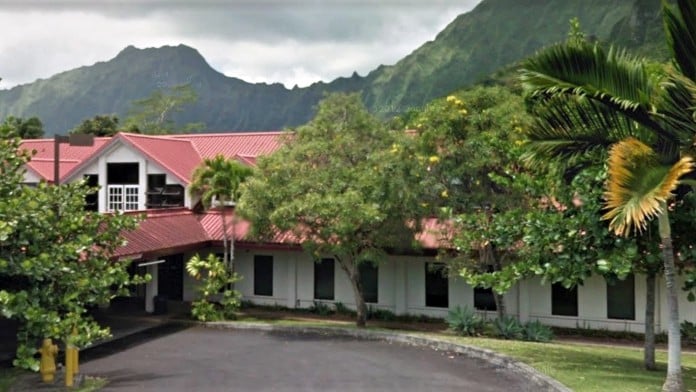
Kona Community Hospital – Behavioral Health

79-1019 Haukapila street
Kealakekua, HI 96750
Claim Profile
Kona Community Hospital - Behavioral Health HI 96750

About Kona Community Hospital – Behavioral Health

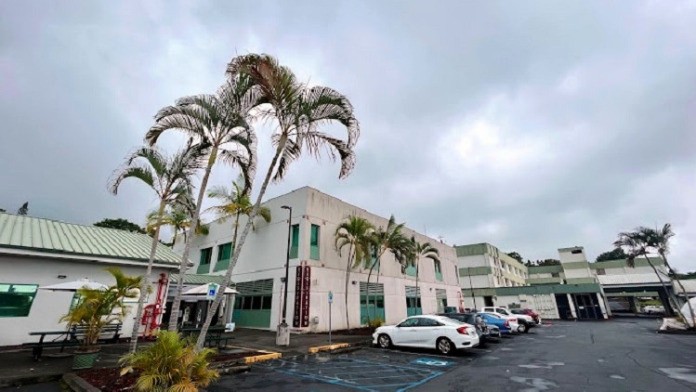
Kona Community Hospital’s Behavioral Health division provides inpatient psychiatric and behavioral health services for adults experiencing acute mental health or substance use crises. They’re located on Haukapila in Kealakekua, Hawaii.

Crisis Stabilization, Assessments and Psychiatric Evaluations

Additional services available to you include crisis stabilization, assessment, psychiatric evaluation, and medication management. Discharge planning and referrals relating to outpatient or community-based resources are also available to you, upon completion of your inpatient care.

Behavioral Health Unit Located in Kona Community Hospital

Located in a secured and supportive hospital environment, services are offered to adults 18+ experiencing acute mental health and/or substance use issues, with an emphasis on serving residents of Kona and neighboring communities on the Big Island.

They have 11 single rooms so each resident has plenty of privacy. Grooming and hygiene for personal care are provided. You’ll also have three hot meals per day.

Multidisciplinary Approach to Treatment

Kona uses a multidisciplinary approach to treatment with services provided by psychiatrists, social workers, case managers, registered nurses and psychiatric aides. Ancillary symptom stabilization is also provided as needed. Since it’s located in a hospital setting, you and your family will also have access to general hospital resources and staff.

Goal of Self-Enhancement and Symptom Stabilization

The goal of Kona is to offer self-enhancement, symptom stabilization and community reintegration to every client they receive. I appreciate that they work closely with mental health providers to ensure that clients make a smooth transition back into their communities.

Payments for your services include a variety of commercial insurance plans, Medicaid and Medicare, and financial counselors are available to assist patients and their families with questions regarding coverage and billing.

Similar Rehab Centers

Edited by:
Peter Lee, PhD

Facility Overview

Bed icon 94
Number of Available Beds

Latest Reviews

Caleb Smith
3 weeks ago on Google
5
Very polite, Good Food, addressed all my concerns
J M
3 weeks ago on Google
5
Thank you to the full crew & apologies for names I don’t have written — from security, to surgeons, doctors, all nurses, attendees, security, operations & the whole crew: Dr Vivian Chang, Dr Kang, Duke, Rachel, Rachael, Trishia, Nikky, Ben, all the Community of Kona Community 🏥 Thank You, Thank You, Thank You!! Mahalo & Much Love from Jane & the entire family — Mohr, Brun, Park, Ernst... 🙏🫶💖💗🌺🥹🥰 No more jump shots for our Pop & appreciate you getting him on the mend. This was a memorable family vacation fo sho & you all made it possible to get him on his healing journey. You all in our hearts & prayers always. 🙏🫶🌺🥹🥰
Jeff Turner
1 month ago on Google
3
I believe they are understaffed. The enter staff were kind, professional, at least one trying to cheer me up in a bad health situation.
Rehab.com icon

Rehab Score

Question iconOur Methodology
Scoring is assigned by a proprietary system which helps surface key metrics that determine quality. The 10-point scale factors in categories such as operations, customer satisfaction, and trust metrics. Read Full MethodologyCaret icon
Gauge icon
5.3 / 10

Other Forms of Payment

Medicaid is a state based program that helps lower-income individuals and families pay for healthcare. Medicaid covers addiction treatment so those enrolled can use their coverage to pay for rehab. When a program accepts Medicaid the client often pays very little or nothing out of their own pocket.

Private insurance refers to any kind of healthcare coverage that isn't from the state or federal government. This includes individual and family plans offered by an employer or purchased from the Insurance Marketplace. Every plan will have different requirements and out of pocket costs so be sure to get the full details before you start treatment.

Self-pay involves paying for treatment out of your own pocket. You can use savings or credit, get a personal loan, or receive help from family and friends to fund your treatment. If you don't have insurance or your insurance plan doesn't cover a specific program, self-pay can help ensure you still get the care you need.

Financial aid can take many forms. Centers may have grants or scholarships available to clients who meet eligibility requirements. Programs that receive SAMHSA grants may have financial aid available for those who need treatment as well. Grants and scholarships can help you pai for treatment without having to repay.

Medicare is a federal program that provides health insurance for those 65 and older. It also serves people under 65 with chronic and disabling health challenges. To use Medicare for addiction treatment you need to find a program that accepts Medicare and is in network with your plan. Out of pocket costs and preauthorization requirements vary, so always check with your provider.

Military members, veterans, and eligible dependents have access to specific insurance programs that help them get the care they need. TRICARE and VA insurance can help you access low cost or no cost addiction and mental health treatment. Programs that accept military insurance often have targeted treatment focused on the unique challenges military members, veterans, and their families face.

Addiction Treatments

Levels of Care

Residential treatment programs are those that offer housing and meals in addition to substance abuse treatment. Rehab facilities that offer residential treatment allow patients to focus solely on recovery, in an environment totally separate from their lives. Some rehab centers specialize in short-term residential treatment (a few days to a week or two), while others solely provide treatment on a long-term basis (several weeks to months). Some offer both, and tailor treatment to the patient's individual requirements.

Treatments

Many of those suffering from addiction also suffer from mental or emotional illnesses like schizophrenia, bipolar disorder, depression, or anxiety disorders. Rehab and other substance abuse facilities treating those with a dual diagnosis or co-occurring disorder administer psychiatric treatment to address the person's mental health issue in addition to drug and alcohol rehabilitation.

Mental health rehabs focus on helping individuals recover from mental illnesses like bipolar disorder, clinical depression, anxiety disorders, schizophrenia, and more. Mental health professionals at these facilities are trained to understand and treat mental health issues, both in individual and group settings.

Programs

Adult rehab programs include therapies tailored to each client's specific needs, goals, and recovery progress. They are tailored to the specific challenges adult clients may face, including family and work pressures and commitments. From inpatient and residential treatment to various levels of outpatient services, there are many options available. Some facilities also help adults work through co-occurring conditions, like anxiety, that can accompany addiction.

Young adulthood can be an exciting, yet difficult, time of transition. Individuals in their late teens to mid-20s face unique stressors related to school, jobs, families, and social circles, which can lead to a rise in substance use. Rehab centers with dedicated young adult programs will include activities and amenities that cater to this age group, with an emphasis on specialized counseling, peer socialization, and ongoing aftercare.

Clinical Services

Cognitive Behavioral Therapy (CBT) is a therapy modality that focuses on the relationship between one's thoughts, feelings, and behaviors. It is used to establish and allow for healthy responses to thoughts and feelings (instead of unhealthy responses, like using drugs or alcohol). CBT has been proven effective for recovering addicts of all kinds, and is used to strengthen a patient's own self-awareness and ability to self-regulate. CBT allows individuals to monitor their own emotional state, become more adept at communicating with others, and manage stress without needing to engage in substance abuse.

Experiential therapy is a form of therapy in which clients are encouraged to surface and work through subconscious issues by engaging in real-time experiences. Experiential therapy departs from traditional talk therapy by involving the body, and having clients engage in activities, movements, and physical and emotional expression. This can involve role-play or using props (which can include other people). Experiential therapy can help people process trauma, memories, and emotion quickly, deeply, and in a lasting fashion, leading to substantial and impactful healing.

Group therapy is any therapeutic work that happens in a group (not one-on-one). There are a number of different group therapy modalities, including support groups, experiential therapy, psycho-education, and more. Group therapy involves treatment as well as processing interaction between group members.

Nicotine Replacement Therapy (NRT) is a way of getting nicotine into the bloodstream without smoking. It uses products that supply low doses of nicotine to help people stop smoking. The goal of therapy is to cut down on cravings for nicotine and ease the symptoms of nicotine withdrawal.

Nutrition therapy, aka medical nutrition therapy (MNT), is a way of treating physical, emotional, and medical conditions through diet. Specific dietary plans are designed by professional nutritionists or registered dietitians, and patients follow them in order to positively affect their physical and mental health.

Staff

Clayton McGhan, MHA

Regional CEO

Diane Hale, MSN Ed, RN

Regional Chief Nurse Executive

Dawnell Buell, MBA

Regional CFO

Jeffrey Palmgren, MD, MBA

Regional Chief Medical Officer

Tawnie McDonald, MT ASCP

Regional Quality Director

Contact Information

Building icon

79-1019 Haukapila street
Kealakekua, HI 96750

Explore Other Centers Near Kealakekua

Reviews of Kona Community Hospital – Behavioral Health

3.12/5 (148 reviews)
0
Staff
0
Amenities
0
Meals
0
Value
0
Cleanliness
5
63
4
15
3
6
2
5
1
59

Reviews

5

I found that all the staff, from guard, administrative staff to professional medical staff, are extremely competent, encouraging and friendly. I have to say how impressed with the way they treated me. I had never felt so comfortable being a patient. I am very grateful to hav ... Read More

Reviewed on 3/14/2019
Overall Experience
Date Submitted
Reviewer

Google Reviews

3.108843537415 (147 reviews)
Caleb Smith
3 weeks ago
5

Very polite, Good Food, addressed all my concerns

J M
3 weeks ago
5

Thank you to the full crew & apologies for names I don’t have written — from security, to surgeons, doctors, all nurses, attendees, security, operations & the whole crew: Dr Vivian Chang, Dr Kang, Duke, Rachel, Rachael, Trishia, Nikky, Ben, all the Community of Kona Community 🏥 Thank You, Thank You, Thank You!! Mahalo & Much Love from Jane & the entire family — Mohr, Brun, Park, Ernst... 🙏🫶💖💗🌺🥹🥰 No more jump shots for our Pop & appreciate you getting him on the mend. This was a memorable family vacation fo sho & you all made it possible to get him on his healing journey. You all in our hearts & prayers always. 🙏🫶🌺🥹🥰

Jeff Turner
1 month ago
3

I believe they are understaffed. The enter staff were kind, professional, at least one trying to cheer me up in a bad health situation.

Honey Callier
2 months ago
5

Shout out to nurse Jiđź©· she was amazing and all the ICU nurses who took care of my grandmother and my family during a horrible unexpected time. Best nurses in Hawaii

Overall Experience
Date Submitted
No reviews matching the selected filter!
Get Help Now
Question iconSponsored Helpline

Phone icon 800-784-1361

Left arrow iconBack

Write a review for Kona Community Hospital – Behavioral Health

Sharing your insights and experiences can help others learn more about this rehab center.

Title of Your Review
This is a required field
Your Review

Reviews comments must comply with our Review Policy Content Standards. Please do not use names (job titles / positions are acceptable) of any individual or identifying features, abusive remarks, or allegations of negligence or criminal activity.

A minimum of 200 characters and max of 2,000 characters required.
This is a required field
How would you rate the facility on the following?*
Overall Experience
Must select a star rating
Accomodations & Amenities
Must select a star rating
Meals & Nutrition
N/A
Must select a star rating
Treatment Effectiveness
Must select a star rating
Admissions Process
Must select a star rating
Staff & Friendliness
Must select a star rating
Cleanliness
Must select a star rating
Value for Cost
Must select a star rating
What is your connection to this facility?
This is a required field
Your Name*
This is a required field
Your Email*
This is a required field
Spinner icon Submitting your review...
Thumbs up icon Your review was successfully submitted.

Nearby Featured Providers

Get Help Today Phone icon 800-823-7153

Question iconSponsored Helpline