






























































































I had a loved one go to Lakeview Health. They treated him with amazing care and allowed him to have the opport
About Lakeview Health
Whether you need daily, continuous support or are a busy professional juggling multiple responsibilities, their programs meet you at any stage in recovery. You can access a personalized treatment plan with proven and holistic interventions to fit your unique situations.
Their treatment philosophy stems from a whole person approach. You’ll participate in individual, group and family sessions with cognitive behavioral, experiential, dialectical behavior, and trauma informed therapies.
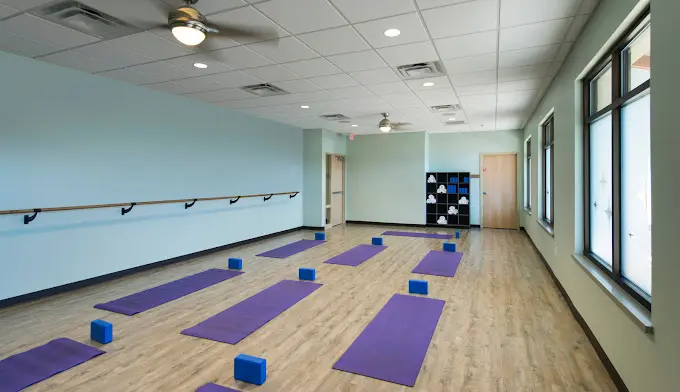
They complement care with interventions to heal your mind, body and soul. These include art therapy, fitness, recreation therapy, yoga and music therapy. Along with getting to the root of addiction, these approaches can help you enhance your self esteem, identify triggers, rebuild relationships and foster a solid support system.
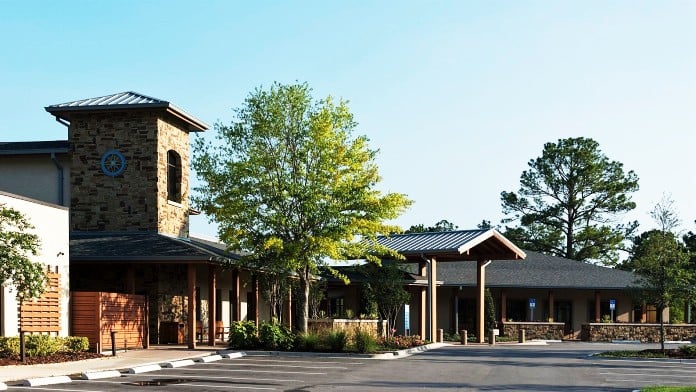
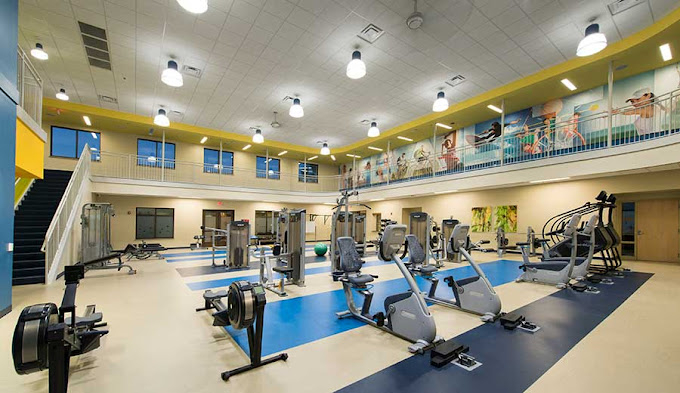
What stands out most to me is their gender specific facilities. Each provides a comfortable living environment with premier relaxation features. The men’s rehab has a bistro, gym, music room and recreational rooms. The women’s treatment center also boasts incredible amenities like a spa, pool, wellness centers and yoga and dance rooms. They use tailored, gender responsive approaches to provide customized care that helps men and women address unique challenges in a supportive environment.
Another standout element is their aftercare program. From the moment you begin treatment, their team starts working on your aftercare plan. They’re dedicated to helping you seamlessly transition to life after rehab. You’ll benefit from sober living options, certified recovery coaching, group events, ongoing individual therapy, continued peer support and follow ups. Their unwavering support and fellowship don’t end when you complete treatment. Instead, you’ll have an empathetic team of professionals and peers to help you stay on track in recovery.
Facility Overview
 $150
$150 Avg Cost per Day
Latest Reviews
I was just bragging about Lakeview and pointing a friend in this direction, and i was shocked to see even one negative review.
Lakeview was amazing, it saved my life. It felt like a vacation, Its practically a health resort. It was so peaceful and serene. I felt I was cared about when cared for, I felt like they were actually invested in my recovery rather than feeling like a number. From the nurses to the blue-shirts, the therapists, the kitchen staff... everyone was so nice and supportive.
The food was amazing, honestly. The pool was nice, gym was immaculate. Yoga instructors were awesome. We went for surfing lessons, went out to a horse farm to pet and feed some little horses. You have a massage therapist come in, and someone to come in for haircuts. Theres even a little zen meditation room. The lake on the men's side is full of life, little ducks and geese, big bass and turtles you can feed - although I don't think you're supposed to, anyways. The facility is nice, its got a real pretty view, good food, great staff. I cant imagine how they could go wrong.
If I had to complain, the apartments, the PHP after the inpatient - the last period before you graduate... the apartments kind of sucked, but the comradery, the fellowship there.. it was a great place to transition back into the real world. And the girl at the window that took the cigarette and vape orders seemed like she was always having a bad day... but still. This place is amazing.
I love Lakeview. I brag about my experience there. I highly recommend it.
Response from the owner3 weeks ago
We appreciate your kind words! Thank you for your support. Please don't hesitate to reach out if you need anything.
Saved my life. If you have insurance please go!! I am a father to a sweet boy due to my sobriety. Please go. God bless you.
Response from the owner3 weeks ago
We appreciate your kind words! Thank you for your support. Please don't hesitate to reach out if you need anything.
I was a patient at Lakeview from October 20, 2002, to November 19, 2002. I was there during Lakeview's infancy, when there was only one building, a couple of picnic tables, a basketball hoop and a beat up volleyball net. I can tell you, with great conviction, their program works.
Lakeview gave me the tools I needed to learn how to live a sober life. I still use those tools today, and I have been sober for just over 23 years now. I wish I could come down there and speak to the people currently residing there and tell them it's possible to turn theirs lives around. I am living proof of that,
Thank you, Lakeview.
Response from the owner3 weeks ago
We appreciate your kind words! Thank you for your support. Please don't hesitate to reach out if you need anything. 
Rehab Score
 Our Methodology
Scoring is assigned by a proprietary system which helps surface key metrics that determine quality. The 10-point scale factors in categories such as operations, customer satisfaction, and trust metrics. Read Full Methodology

9.1 / 10
Gallery


Accepted Insurance
Other Forms of Payment
Private insurance refers to any kind of healthcare coverage that isn't from the state or federal government. This includes individual and family plans offered by an employer or purchased from the Insurance Marketplace. Every plan will have different requirements and out of pocket costs so be sure to get the full details before you start treatment.
Self-pay involves paying for treatment out of your own pocket. You can use savings or credit, get a personal loan, or receive help from family and friends to fund your treatment. If you don't have insurance or your insurance plan doesn't cover a specific program, self-pay can help ensure you still get the care you need.
Addiction Treatments
Levels of Care
Outpatient programs are for those seeking mental rehab or drug rehab, but who also stay at home every night. The main difference between outpatient treatment (OP) and intensive outpatient treatment (IOP) lies in the amount of hours the patient spends at the facility. Most of the time an outpatient program is designed for someone who has completed an inpatient stay and is looking to continue their growth in recovery. Outpatient is not meant to be the starting point, it is commonly referred to as aftercare. The outpatient rehab level of care at Lakeview Health is all about being accountable for yourself and setting goals that provide focus for working on a recovery and aftercare plan. Patients continue with group therapy, individual therapy, and medical and psychiatric appointments as needed.
They offer something unique: a fully accredited, licensed, professionally staffed, medically monitored detox facility right at their Jacksonville campus. They provide custom designed, physician-approved detox procedures supervised around the clock by medical professionals dedicated to your recovery. Their doctors and nurses provide immediate treatment in case problems arise, administer therapies and medications to alleviate severe withdrawal symptoms, and collaborate with therapists to form the first stages of your long-term, personalized recovery plan.
Instensive Outpatient programs are for those who are stepping down from the inpatient level of care at Lakeview. Individuals will continue to participate in programming on-campus and will live at the provided apartments off-campus. IOP is a very structured treatment program that allows individuals to continue with programming and begin to develop some independence. The Intensive Outpatient Program (IOP) at Lakeview Health is the level of care between our Partial Hospitalization Program (PHP) and discharge. The intensive outpatient program at Lakeview Health is all about developing personal accountability, setting long-term recovery goals, and building an Aftercare plan to help you transition from treatment to everyday life.
The Inpatient Rehab Program at Lakeview Health is the level of care between their Detox and Residential Treatment programs. At the inpatient level of care, you live on campus in semi-private rooms – men in The Star and women in The Rose – and receive at least six hours of structured therapy per day. Additional recovery groups, exercise, wellness activities, and social support meetings round out your schedule. The Residential Treatment Program at Lakeview Health is the level of care between our Inpatient Rehab, Partial Hospitalization (PHP), and Intensive Outpatient (IOP) programs.
One of the unique qualities of Lakeview Health is that they offer ways to ensure that patient’s recovery continue to be successful after leaving their campus. Staying sober can be a challenge and having the support of professionals and fellowship with others in addiction recovery can go a long way. Their Alumni Services include resources to help patients manage their recovery and stay connected with their peers from Lakeview Health. They also offer resources for families to help them support loved ones receiving treatment at their facility.
At certain points in the recovery process, it's important to have support available 24/7. 24-hour clinical care offers a safe environment in which to recover from drug or alcohol addiction in peace, knowing medical detox and other treatment will happen with professionals on hand.
Intervention services helps family or friends of addicts stage an intervention, which is a meeting in which loved ones share their concerns and attempt to get an addict into treatment. Professional intervention specialists can help loved ones organize, gather, and communicate with an addict. They can guide intervention participants in describing the damage the addict's behavior is causing and that outside help is necessary to address the addiction. The ideal outcome of an intervention is for the addict to go to rehab and get the help they need.
12-step programs are addiction recovery models based on Alcoholics Anonymous (AA). A number of substance abuse programs (including some drug and alcohol rehab centers) use the 12 steps as a basis for treatment. Beginning steps involve admitting powerlessness over the addiction and creating a spiritual basis for recovery. Middle steps including making direct amends to those who've been hurt by the addiction, and the final step is to assist others in addiction recovery in the same way. 12-Step offshoots including Narcotics Anonymous (NA), Cocaine Anonymous (CA), Dual Recovery Anonymous (DRA), Sex and Love Addicts Anonymous (SLAA) and Gamblers Anonymous (GA).
Sober Living Houses (SLHs), aka sober homes or halfway houses, are safe, substance-free, supportive living facilities for those recovering from substance abuse. Ideal for those who've just been through inpatient or outpatient treatment, SLHs are supervised environments with rules that support sobriety, such as curfews, shared chores, and therapeutic meetings. Residents are also often trained on life skills and coping skills to make it easier to transition into society. SLHs also provide a strong sense of community that can lead to the kind of deep and lasting connections with other sober individuals that supports a new, healthy lifestyle.
Treatments
The goal of treatment for alcoholism is abstinence. Those with poor social support, poor motivation, or psychiatric disorders tend to relapse within a few years of treatment. For these people, success is measured by longer periods of abstinence, reduced use of alcohol, better health, and improved social functioning. Recovery and Maintenance are usually based on 12 step programs and AA meetings.
Drug rehab in Florida provides quality treatment to help individuals overcome dependency related to a wide range of addictive substances. Programs address both the physical and mental aspects of addiction in order to help you make a full recovery.
Many of those suffering from addiction also suffer from mental or emotional illnesses like schizophrenia, bipolar disorder, depression, or anxiety disorders. Rehab and other substance abuse facilities treating those with a dual diagnosis or co-occurring disorder administer psychiatric treatment to address the person's mental health issue in addition to drug and alcohol rehabilitation.
A combined mental health and substance abuse rehab has the staff and resources available to handle individuals with both mental health and substance abuse issues. It can be challenging to determine where a specific symptom stems from (a mental health issue or an issue related to substance abuse), so mental health and substance abuse professionals are helpful in detangling symptoms and keeping treatment on track.
Opioid rehabs specialize in supporting those recovering from opioid addiction. They treat those suffering from addiction to illegal opioids like heroin, as well as prescription drugs like oxycodone. These centers typically combine both physical as well as mental and emotional support to help stop addiction. Physical support often includes medical detox and subsequent medical support (including medication), and mental support includes in-depth therapy to address the underlying causes of addiction.
Programs
Adult rehab programs include therapies tailored to each client's specific needs, goals, and recovery progress. They are tailored to the specific challenges adult clients may face, including family and work pressures and commitments. From inpatient and residential treatment to various levels of outpatient services, there are many options available. Some facilities also help adults work through co-occurring conditions, like anxiety, that can accompany addiction.
Young adulthood can be an exciting, yet difficult, time of transition. Individuals in their late teens to mid-20s face unique stressors related to school, jobs, families, and social circles, which can lead to a rise in substance use. Rehab centers with dedicated young adult programs will include activities and amenities that cater to this age group, with an emphasis on specialized counseling, peer socialization, and ongoing aftercare.
Recovery is most successful when clients feel accepted and validated by their peers and treatment providers. Facilities that offer LGBTQ-inclusive programming are committed to creating a safe space where everyone can grow and recover without fear of judgment or discrimination. They will have dedicated policies in place to create a safe and supportive environment that fosters free expression.
Clinical Services
Cognitive Behavioral Therapy (CBT) is a therapy modality that focuses on the relationship between one's thoughts, feelings, and behaviors. It is used to establish and allow for healthy responses to thoughts and feelings (instead of unhealthy responses, like using drugs or alcohol). CBT has been proven effective for recovering addicts of all kinds, and is used to strengthen a patient's own self-awareness and ability to self-regulate. CBT allows individuals to monitor their own emotional state, become more adept at communicating with others, and manage stress without needing to engage in substance abuse.
Whether a marriage or other committed relationship, an intimate partnership is one of the most important aspects of a person's life. Drug and alcohol addiction affects both members of a couple in deep and meaningful ways, as does rehab and recovery. Couples therapy and other couples-focused treatment programs are significant parts of exploring triggers of addiction, as well as learning how to build healthy patterns to support ongoing sobriety.
Creativity is inherently healing, and can help those in recovery express thoughts or feelings they might not otherwise be able to. Creative arts therapy can include music, poetry/writing, painting, sculpting, dance, theater, sandplay, and more. Unlike traditional art, the final product matters far less than the experience of creation and expression itself.
Dialectical Behavior Therapy (DBT) is a modified form of Cognitive Behavioral Therapy (CBT), a treatment designed to help people understand and ultimately affect the relationship between their thoughts, feelings, and behaviors. DBT is often used for individuals who struggle with self-harm behaviors, such as self-mutilation (cutting) and suicidal thoughts, urges, or attempts. It has been proven clinically effective for those who struggle with out-of-control emotions and mental health illnesses like Borderline Personality Disorder.
Equine therapy, aka equine-assisted therapy (EAT), is a form of experiential therapy that involves interactions and activities with horses. It does not necessarily involve riding horses, but all activities related to horses, such as feeding, grooming, haltering and leading them. A mental health professional frequently oversees the activities (often in conjunction with a horse professional), and helps patients process their thoughts, feelings, and behavior patterns during and/or after the interaction. One of the types of experiential therapy featured at Lakeview Health is the unique practice of equine therapy. employs the EAGALA Model Equine Assisted Psychotherapy in working with patients struggling to let their guard down, helping them uncover their strengths, learning how to take responsibility for their choices and actions, realize their obstacles, and practice new skills. This entire experience is enhanced by the inclusion of horses, which they interact with and learn from.
Experiential therapy is a form of therapy in which clients are encouraged to surface and work through subconscious issues by engaging in real-time experiences. Experiential therapy departs from traditional “talk therapy” by involving the body, and having clients engage in activities, movements, and physical and emotional expression. This can involve role-play or using props (which can include other people). Experiential therapy can help people process trauma, memories, and emotion quickly, deeply, and in a lasting fashion, leading to substantial and impactful healing. Building the confidence to live life in sobriety takes time. Patients in IOP at Lakeview Health are able to participate in experiential therapy, which includes surf therapy and equine therapy. These groups are optional.
EMDR is a therapeutic modality originally developed to help process trauma. In an EMDR session, a patient is prompted to undergo eye movements that mimic those of REM sleep. This is accomplished by watching a therapist's finger move back and forth across, or following a bar of light. The goal is repetitive sets of eye movements that help the brain reprocess memory, which can significantly reduce the intensity of remembered traumatic incidents. Associated memories can heal simultaneously, leaving patients significantly calmer, more stable, and more emotionally relaxed.
Research clearly demonstrates that recovery is far more successful and sustainable when loved ones like family members participate in rehab and substance abuse treatment. A three-day family workshop is part of their gender responsive treatment program at Lakeview Health. Like all of their treatments, it’s based entirely on the most current, evidence-based best practices. They’re committed to helping the families of their patients mend their relationships, and their staff is handpicked to ensure the best quality of care.
Group therapy is any therapeutic work that happens in a group (not one-on-one). There are a number of different group therapy modalities, including support groups, experiential therapy, psycho-education, and more. Group therapy involves treatment as well as processing interaction between group members.
In individual therapy, a patient meets one-on-one with a trained psychologist or counselor. Therapy is a pivotal part of effective substance abuse treatment, as it often covers root causes of addiction, including challenges faced by the patient in their social, family, and work/school life.
Life skills trainings involve all the skills a person must have in order to function successfully in the world. These include time management, career guidance, money management, and effective communication. Truly successful addiction recovery is based on the ability to not only live substance-free, but to thrive. Life skills teaches the practical necessities of functioning in society, which sets clients up for success in life, and therefore sobriety.
Motivational Interviewing (MI) is a clinical approach to helping people with substance abuse issues and other conditions shift behavior in positive ways. It is more goal-oriented than traditional psychotherapy, as MI counselors directly attempt to get clients to consider making behavioral change (rather than wait for them to come to conclusions themselves). Its primary purpose is to resolve ambivalence and help clients become able to make healthy choices freely.
Nicotine Replacement Therapy (NRT) is a way of getting nicotine into the bloodstream without smoking. It uses products that supply low doses of nicotine to help people stop smoking. The goal of therapy is to cut down on cravings for nicotine and ease the symptoms of nicotine withdrawal.
Nutrition therapy, aka medical nutrition therapy (MNT), is a way of treating physical, emotional, and medical conditions through diet. Specific dietary plans are designed by professional nutritionists or registered dietitians, and patients follow them in order to positively affect their physical and mental health.
At Lakeview Health, they understand past trauma and know how to help you deal with it. They follow guidelines established by the Substance Abuse and Mental Health Services Administration (SAMHSA) for best practices in trauma-informed care. Their team creates an atmosphere where you can explore, understand, and process your past trauma. They help you understand how the sum of your life experiences add up to where you are now, and teach you the coping skills you need to move forward and break the painful cycles of substance abuse and mental health disorders. The gender-responsive facilities allow women and men completely separate facilities to begin to heal.
Amenities
-
 Lakeside
 -
 Yoga Studio
 -
 Spa
Spa -
 Gym
Gym
Staff & Accreditations
Staff
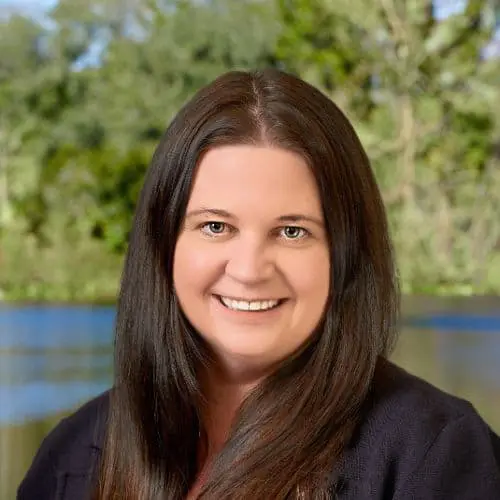
Jamie Stevens, CAP, MS
CEO
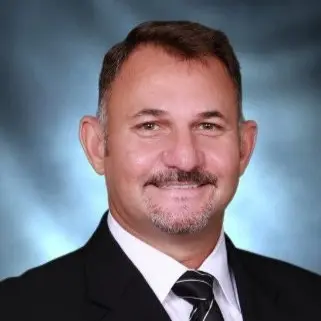
Phillip Johnson, CPA
CFO
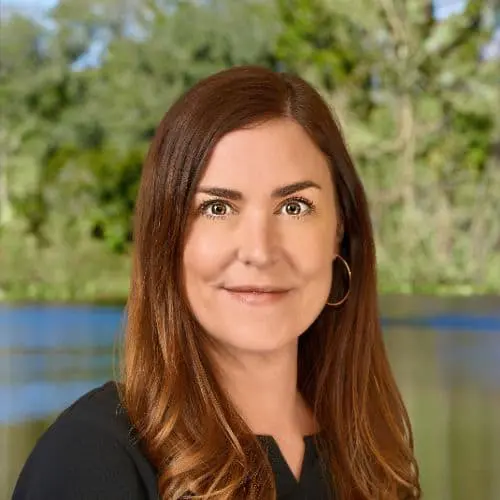
Mandy Jack, LMHC, MA
VP of Clinical Services
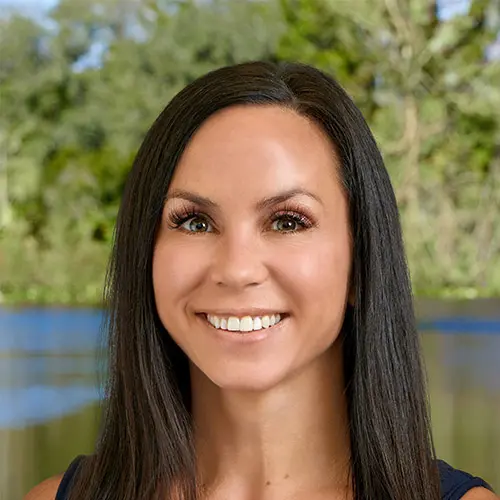
Andrea Gwaltney
VP of Business Development
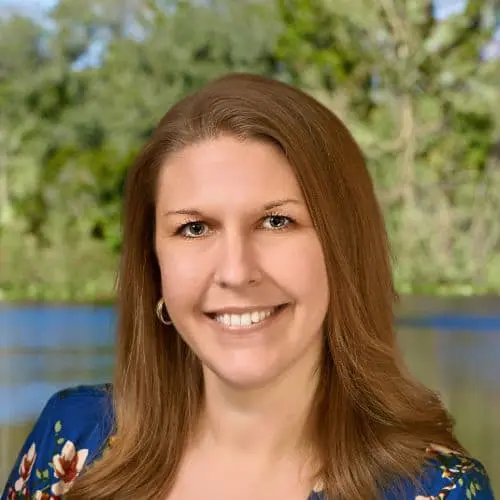
Sara Holt, PHR, SHRM-CP
Director of Human Resources
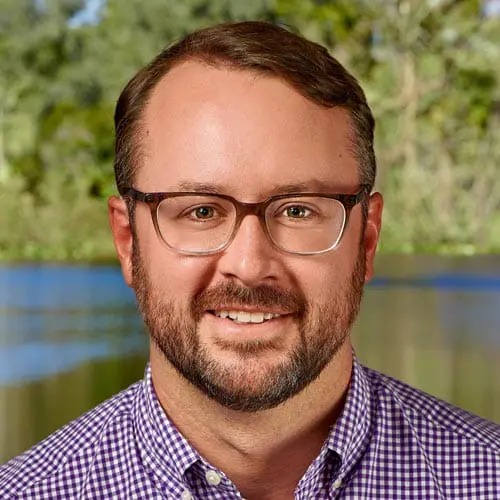
Lee Berg
VP of Marketing
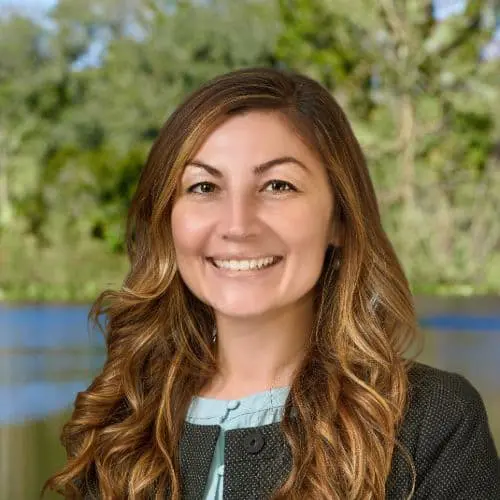
Lindsey Crites
Director of EOC
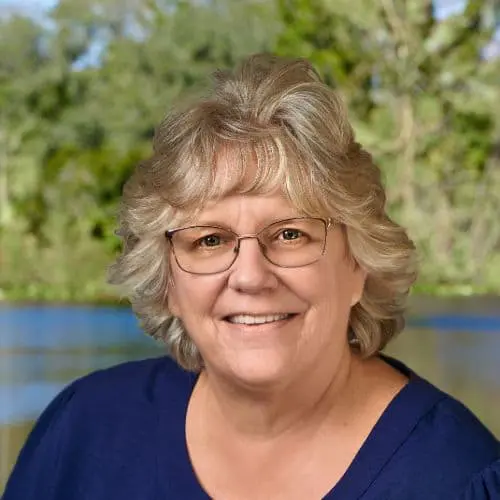
Stephanie Smith
Director of Business Office
Accreditations

The Joint Commission, formerly known as JCAHO, is a nonprofit organization that accredits rehab organizations and programs. Founded in 1951, the Joint Commision's mission is to improve the quality of patient care and demonstrating the quality of patient care.
Joint Commission Accreditation: Yes
Accreditation Number: 383876

LegitScript has reviewed Lakeview Health as part of their certification program, and has determined that it meets the LegitScript standards for legality, safety and transparency.
LegitScript verified in November 2019

The National Association of Addiction Treatment Providers (NAATP) is a professional association that represents organizations in the field of addiction services. Founded in 1978, NAATP's mission is to advance addiction services and ensure that high-quality addiction treatment is available and accessible.
NAATP Member: Yes
Member ID: 1799
Rehab.com regularly reviews this listing for accuracy but changes may occur between updates. For the most up-to-date information, please contact Lakeview Health.
Contact Information

1900 Corporate Square Blvd
Jacksonville, FL 32216
Get Help Now - 904-658-1359
Sponsored Helpline
Sponsored Helpline



